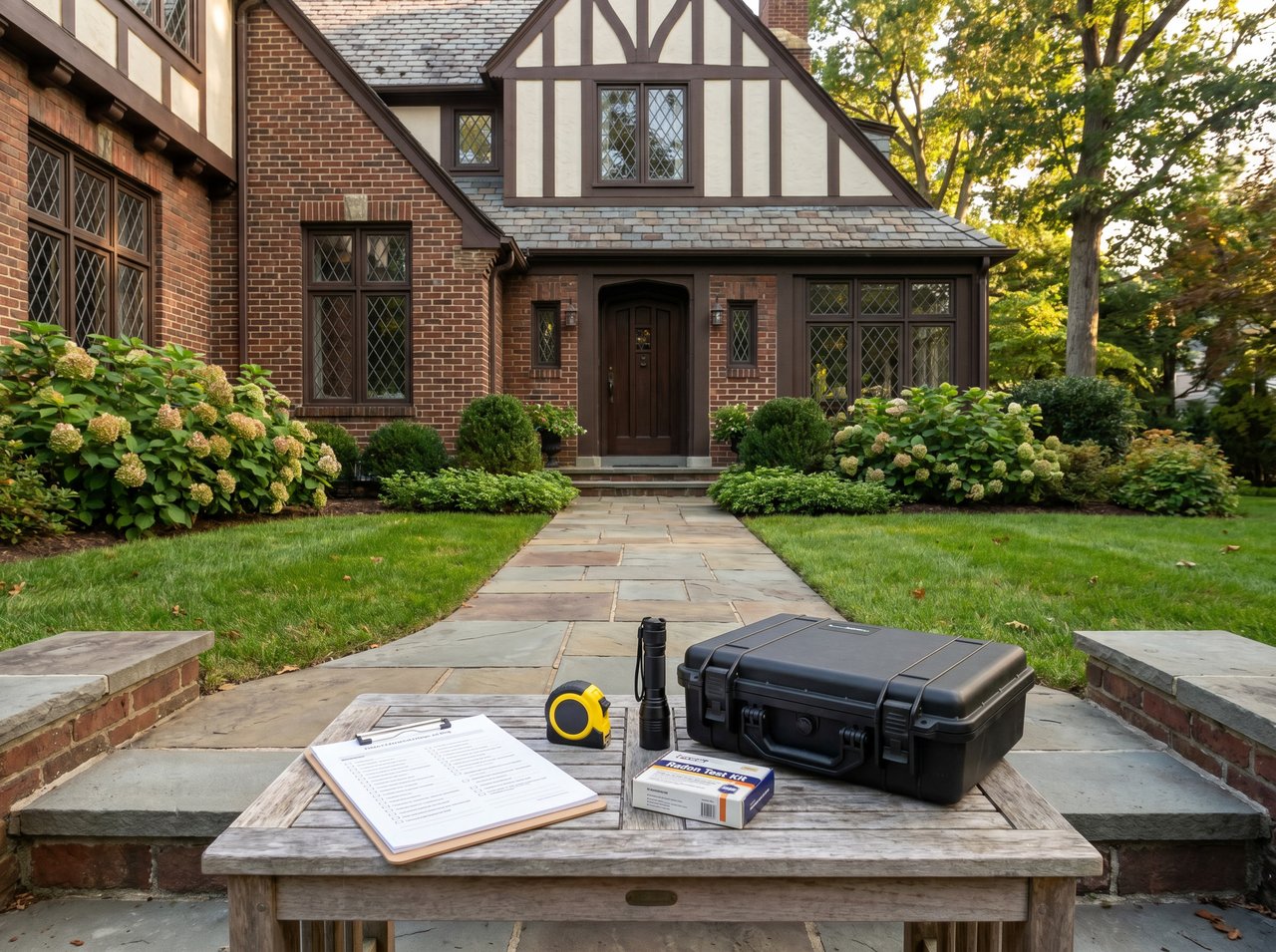
Home Inspection Costs in Northern New Jersey: Budget Wisely
Blog Allison Ziefert June 30, 2026
Blog Allison Ziefert June 30, 2026
Most buyers in this region should plan for somewhere between $1,800 and $4,200 in inspection and due diligence costs — though that range can shift based on the home's age, size, systems, and unique features. Prices also vary by provider, so treat these figures as planning benchmarks rather than fixed quotes.
That range often catches buyers off guard. Between the down payment and closing costs, it's easy to treat the inspection period as a formality rather than a real line item in your budget. In Northern New Jersey, where housing stock varies enormously from town to town and decade to decade, the inspection process deserves more attention — and more realistic budgeting — than most buyers give it.
Here's a breakdown of what typically gets inspected, what it costs, and why the right answer varies so much depending on where — and what — you're buying.
It comes down to the age, construction, and individual features of the home — not just its zip code. But location still matters, because certain towns have housing stock that consistently triggers certain inspections.
A buyer touring a century-old colonial in Maplewood may be looking at an aging chimney that calls for a Level 2 inspection. Someone evaluating a property with a pool in Livingston will want a dedicated pool evaluation on top of everything else. A large historic home in Summit may warrant a more detailed structural review, while many properties in Morris County rely on private septic systems rather than municipal sewer. A renovated Victorian in Montclair sometimes comes with a detached garage in uncertain condition, and a mid-century home in Chatham with "updated" systems occasionally turns up work that was never properly permitted.
None of this is unusual — it's simply the reality of buying in a region built across multiple eras, with diverse architectural styles and aging infrastructure that varies block by block. The inspection list should follow the property, not the other way around.
Read more: If you're comparing nearby towns as part of your search, this side-by-side look at Short Hills versus Millburn breaks down lifestyle and housing differences that often factor into where buyers ultimately land.
The table below reflects cost ranges currently typical in Northern New Jersey. Individual vendors, home size, and market conditions can push figures outside these ranges in either direction — always get quotes from your specific inspectors before finalizing your budget.
Not every buyer needs every item on this list. A newer condo in Westfield has a very different risk profile than a 1920s farmhouse in Madison. But for many purchasers across Essex, Morris, and Union Counties, several of these line items end up being relevant — and an initial inspection occasionally surfaces something that calls for an additional specialist, such as a mold assessor, structural engineer, or roofing consultant. Keeping a modest buffer in your budget for that possibility is worth it.
A general home inspection is the foundation of the process. A licensed home inspector will evaluate the roof, foundation, structural framing, electrical and plumbing systems, HVAC, attic insulation, windows and doors, and any visible signs of water intrusion or moisture damage.
For the vast majority of purchasers, this single inspection delivers the most comprehensive picture of a property's condition relative to its cost — and it often determines whether additional specialist inspections are warranted.
Wood-Destroying Insect (WDI) Inspection. Sometimes called a termite inspection, this evaluation checks for termites, carpenter ants, and carpenter bees. These pests can cause significant hidden structural damage inside wall cavities, under flooring, or in crawl spaces — damage that's often invisible during a standard walkthrough.
Radon Testing. Radon is a naturally occurring radioactive gas that is common in New Jersey homes, particularly those with basements — which describes a large share of the housing stock in towns like Glen Ridge, West Orange, and Bloomfield. The state's geological profile makes testing a standard precaution for most buyers in this region. Because mitigation systems are relatively straightforward to install, catching elevated levels before closing is far preferable to discovering it afterward.
Sewer Line Scope. A camera inspection of the underground line connecting the home to the municipal sewer system can reveal root intrusion, cracked or deteriorating pipe, collapsed sections, or offsets and separations. These are conditions that a standard home inspection cannot detect — and sewer repairs can range from a few thousand dollars for a localized fix to significantly more for a full line replacement. It's consistently one of the most cost-effective inspections relative to the risk it manages.
Oil Tank Sweep. Many homes throughout Essex, Morris, and Union Counties originally used oil heat before converting to natural gas. That conversion doesn't necessarily mean the underground storage tank was removed. An oil tank sweep helps identify whether one remains buried on the property — relevant for both environmental liability and future resale.
Chimney Inspection. A Level 2 inspection uses camera equipment to assess the interior of the flue, beyond what a visual inspection can see. It's particularly important for homes with active fireplaces, wood-burning stoves, multiple chimneys, or older masonry construction — all of which appear frequently in older Northern NJ housing stock.
Pool Inspection. For properties that include a swimming pool, a dedicated evaluation covers the equipment, liner, plumbing, coping, and safety systems. Pool components have their own maintenance cycles and failure points, and a specialist inspection gives buyers a clearer picture of what they're taking on.
Septic Inspection. Many homes across Morris County and portions of the broader region are not connected to municipal sewer and rely instead on private septic systems. A dedicated inspection can identify system failures, drainage issues, or maintenance concerns that fall entirely outside the scope of a standard home inspection.
If a property is served by a private well, the New Jersey Private Well Testing Act (PWTA) generally requires the water to be tested by a certified laboratory before the transaction closes, with both parties receiving the results. Under most standard New Jersey contracts, this cost is borne by the seller rather than the buyer — but as with anything in a real estate transaction, the specifics depend on how the contract is written. Your attorney and agent can clarify what applies to your specific deal.
Yes — and the logic is straightforward. Spending a few thousand dollars in due diligence before closing gives you a clear picture of what you're buying. Buyers who skip or limit inspections to strengthen a competitive offer are making a calculated trade-off, not a free move. In some situations it's a reasonable choice — but it should be a deliberate one, made with a clear-eyed understanding of the specific property's age, condition, and risk profile, not a default strategy applied to every offer.
Read more: Selling your home while navigating the buy side too? This guide to planning a Millburn home sale timeline walks through how the prep, contract, and closing phases fit together when you're managing both sides of a move.
Build inspection costs into your budget before you're under contract, not after. A realistic planning range is $1,800 to $4,200, but your specific number depends heavily on the property — buyers looking at older housing stock in Maplewood, South Orange, or Montclair should expect to sit closer to the higher end of that range, while a newer or recently renovated home may come in lighter. Get quotes from inspectors early, and have a conversation with your agent about which add-on inspections actually make sense for the specific home you're considering before the inspection period begins.
Buyers across this market are increasingly informed about inspection findings, and issues like an aging chimney, an unaddressed oil tank, or a sewer line with deferred problems tend to surface as negotiating leverage when they come up as surprises after an accepted offer. Sellers who address known issues proactively — or price and disclose transparently — typically have smoother transactions with fewer renegotiations.
The Allison Ziefert Real Estate Group helps buyers understand not just what a home costs to purchase, but what it costs to evaluate thoroughly — and we connect our clients with trusted local inspectors and specialists for whatever a specific property requires.
Whether you're searching in Maplewood, South Orange, Millburn, Short Hills, Livingston, Summit, Westfield, Morristown, or anywhere across Essex, Morris, or Union County, reach out at [email protected].
How much do home inspections typically cost in Northern New Jersey?
Most buyers across Essex, Morris, and Union Counties should plan for between $1,800 and $4,200 in total inspection and due diligence costs, depending on the property's age, size, and features. Individual inspector pricing varies, so get quotes specific to your home.
Which inspections are most important when buying in Northern NJ?
A general home inspection is the baseline for nearly every purchase. Radon testing, a WDI/termite inspection, sewer line scope, oil tank sweep, and chimney inspection are common additions — with pool or septic inspections relevant for homes with those features.
Is a sewer line scope really necessary?
For most homes in this region, yes. A camera inspection can identify problems — root intrusion, cracks, collapsed sections — that a standard home inspection cannot see, and sewer repairs can be a significant cost if discovered after closing.
Should I get an oil tank sweep even if the home already uses gas heat?
In most cases, yes. Many homes that converted from oil to gas heat still have an abandoned underground tank that was never removed. Identifying it before closing avoids both environmental liability and complications at resale.
Is it a good idea to waive inspections in a competitive market?
Waiving inspections can strengthen an offer, but it means accepting uncertainty about the property's condition. Whether that trade-off makes sense depends on the specific home, its age, your risk tolerance, and current market dynamics — it's worth a candid conversation with your agent before making that call.
Blog
For Northern New Jersey homeowners who want to understand what drives competitive offers, how listing prices influence buyer behavior, and what really determines a suc… Read more
Blog
For homeowners in Maplewood, South Orange, and Northern New Jersey who want to understand their property's value before selling, refinancing, or planning their next mo… Read more
Blog
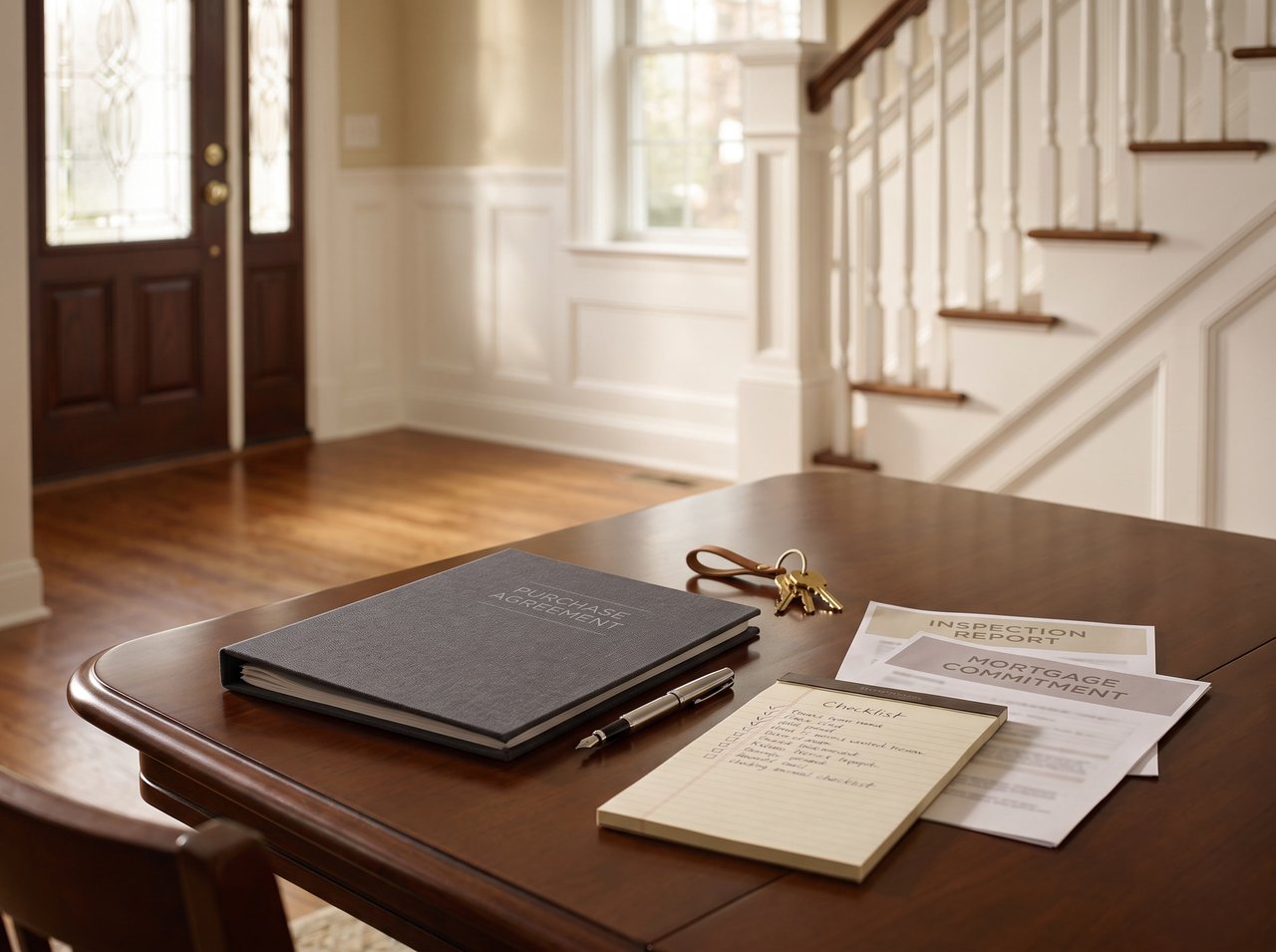
A step-by-step guide for buyers navigating the post-contract period in Essex, Morris, and Union Counties

Blog
A straight-numbers look for buyers considering a purchase in Maplewood, Montclair, Summit, and surrounding towns — and what the math actually says about timing
Home Selling
A practical guide for buyers and sellers in Maplewood, South Orange, Montclair, Summit, Westfield, Chatham, and nearby Northern New Jersey towns.
We are passionate about researching market stats, negotiating contracts, and helping our clients find and sell homes. The majority of our business comes from past clients and referrals from people who know our work.