Living Near Montclair’s Downtowns: What Buyers Should Know
July 16, 2026
July 16, 2026
Wondering what it’s really like to live near one of Montclair’s downtowns? If you’re drawn to the idea of walkable streets, quick train access, older homes with character, and a steady mix of dining and cultural spots, Montclair can check a lot of boxes. The key is knowing that Montclair does not have just one downtown experience, and the area you choose can shape your routine in a big way. Let’s dive in.
One of the biggest things buyers should know is that Montclair is organized around multiple business and shopping districts: Upper Montclair, Watchung Plaza, Walnut-Grove, Montclair Center, and South End.
That pattern is tied to Montclair’s railroad-era growth. The township notes that Montclair became a commuter town after rail service began in 1856, and that history still shows up today in the relationship between business districts, station areas, and the surrounding housing stock.
Montclair also has six NJ Transit train stations on the Montclair-Boonton line: Bay Street, Walnut Street, Watchung Avenue, Upper Montclair, Mountain Avenue, and Montclair Heights. For many buyers, that mix of downtown access and rail service is a big part of the appeal.
If you want the densest downtown feel, Montclair Center is likely the first place you’ll focus on. It is the township’s largest district, and the Montclair Center BID says it includes more than 400 retailers and restaurants along Bloomfield Avenue and nearby streets.
This area also brings together several of Montclair’s best-known cultural anchors. The township highlights the Montclair Art Museum, The Wellmont Theater, Montclair Film’s Clairidge and Bellevue cinemas, plus the public library just up South Fullerton Avenue.
For a buyer, that can translate into a lifestyle with a lot close at hand. You may find it easier to build daily routines around restaurants, coffee shops, entertainment, and errands without needing to go far.
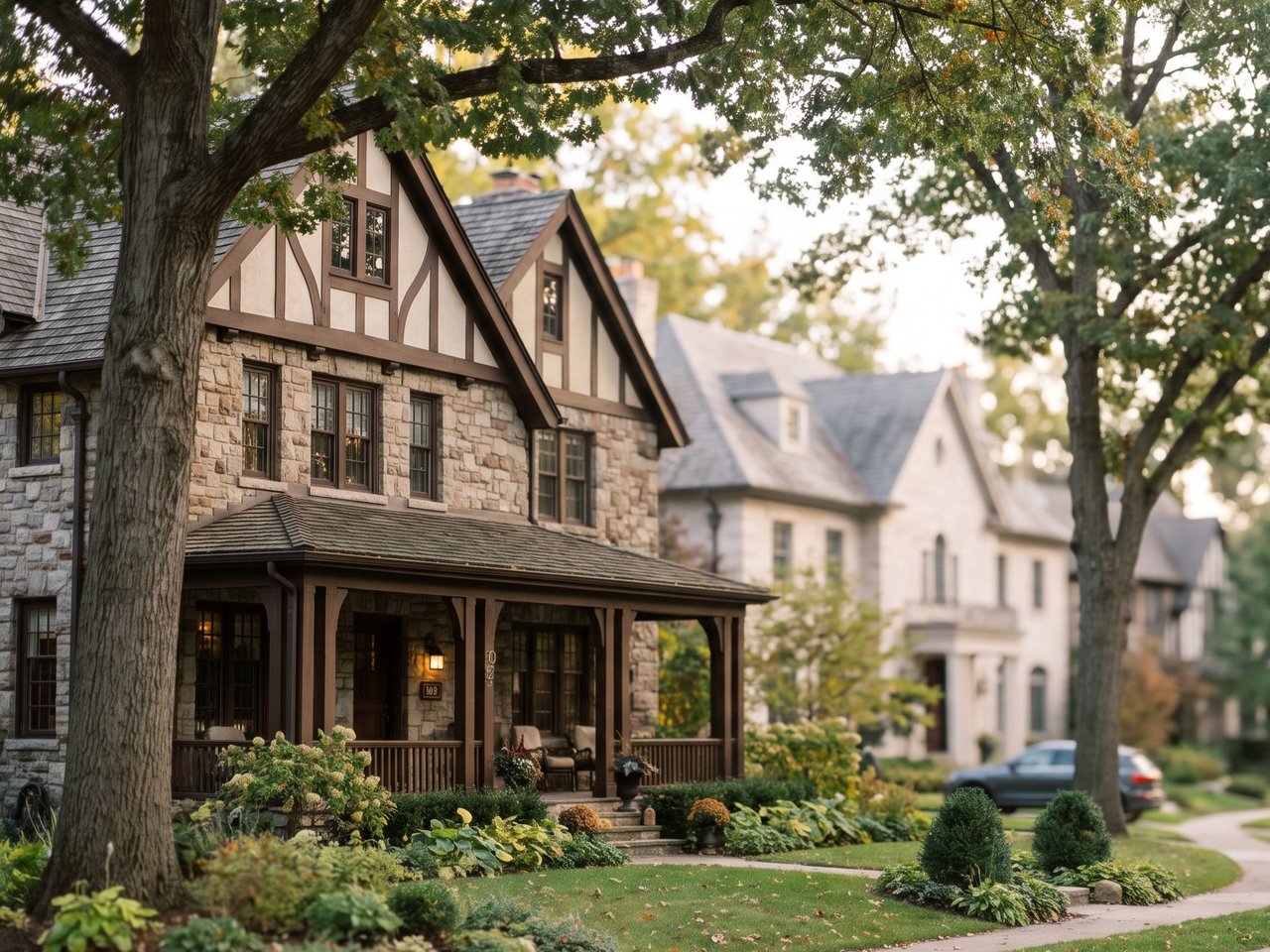
Upper Montclair offers a different version of downtown living. The township describes it as a smaller commercial strip with Tudor-style shops and restaurants, a local cinema, sidewalk-sales energy, and the Upper Montclair train station on Bellevue Avenue.
The area also includes Anderson Park and EV charging, along with easy rail access to New York Penn Station. If you want a downtown that feels active but not as concentrated as Montclair Center, this district may feel like a better fit.
For buyers, Upper Montclair often stands out because it combines convenience with a more contained streetscape. You still get shops, dining, and transit, but in a setting that reads more as a classic neighborhood center.
Watchung Plaza tends to feel more like a village center woven into everyday residential life. The township points to an independent bookstore, neighborhood shops and restaurants, a coffee house that roasts its own beans, and the Watchung Avenue train station.
That matters if you want a downtown area that feels easy to use on a daily basis. Some buyers are not looking for the busiest commercial core. They want a place where grabbing coffee, picking up a few things, or catching the train feels simple and close to home.
Walnut-Grove offers another distinct downtown experience. The township describes galleries, artisan bakeries, and a range of restaurants, and notes that the district extends to Grove Street.
This district also hosts the Montclair Farmers Market on Saturdays from June through November in the Walnut Street station parking lot. For buyers who value a regular local routine, that kind of weekly activity can shape how a neighborhood feels over time.
Not every buyer wants to live near the biggest commercial district. South End is described by the township as a small-shop, small-restaurant district with the MLK Peace Garden, while Frog Hollow is known more as a practical stretch along Valley Road with restaurants, delis, and pizzerias.
These areas can appeal if you want nearby conveniences without the same level of concentration you’ll find in Montclair Center. They are part of the same broader Montclair story, but they serve a more local, everyday role.
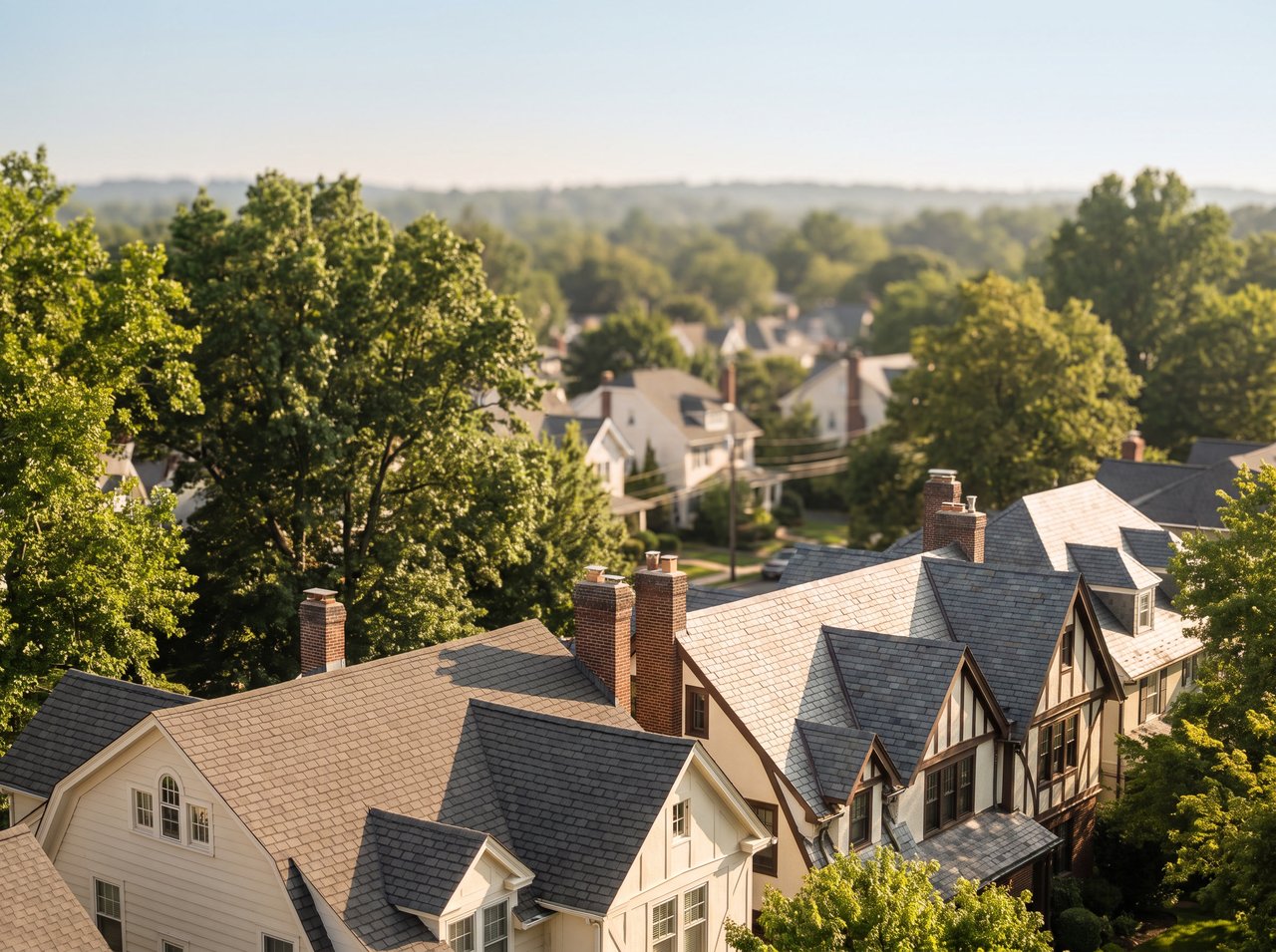
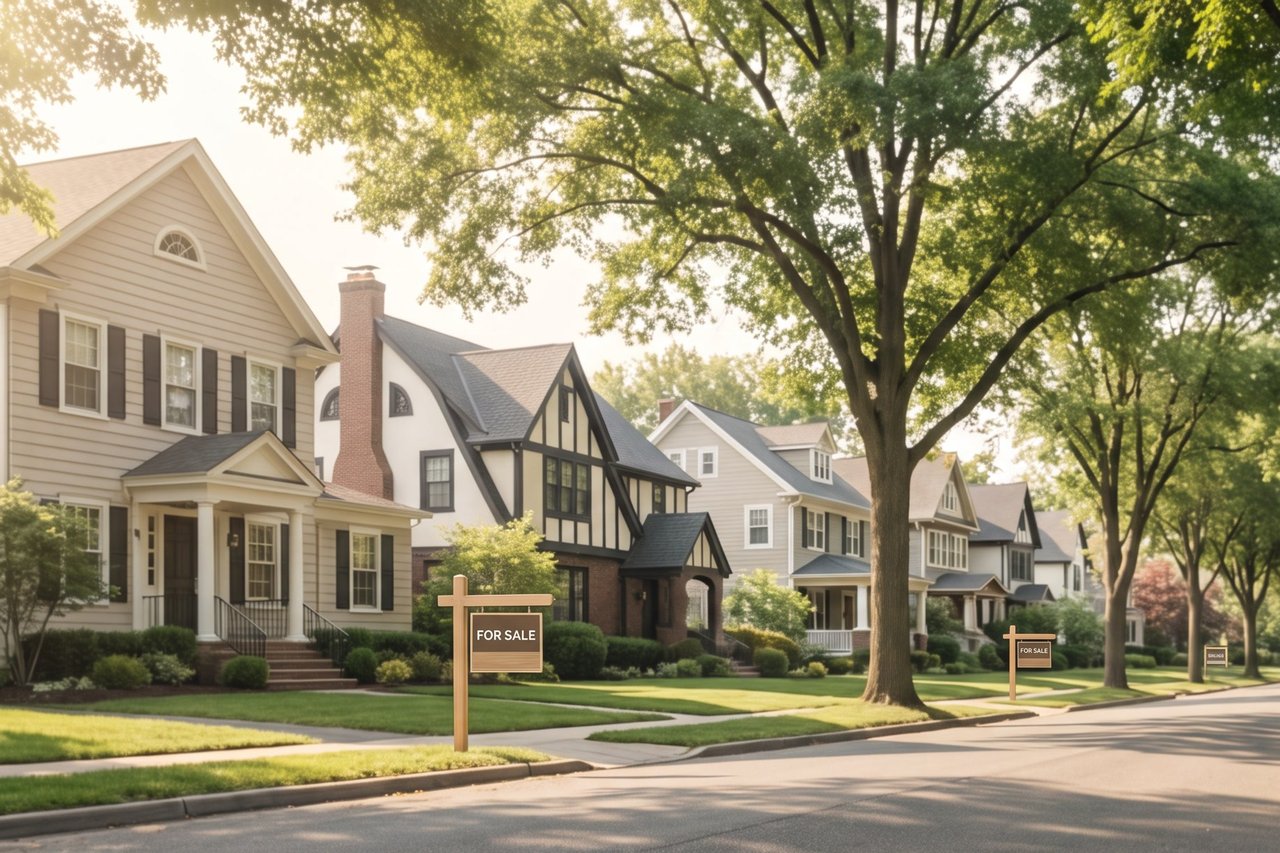
The housing stock near Montclair’s downtowns is generally older and more varied than what you might see in a newer suburban setting. That is part of the appeal for many buyers, especially if you are looking for architecture with detail, history, and a distinct sense of place.
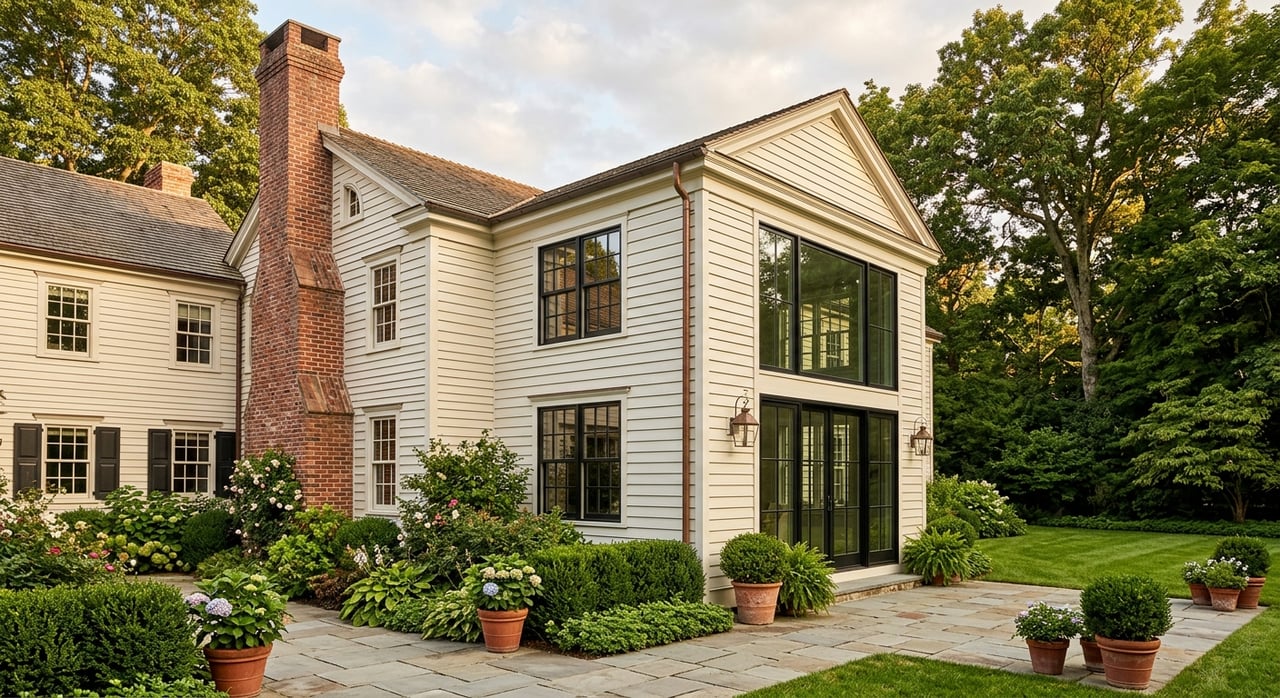
The township’s Upper Montclair Commuter Area survey says that area was primarily built between 1900 and 1929. It describes two- to three-story single-family houses with large front porches, medium-sized lots, front yards, and wide streets, with styles including Queen Anne, Craftsman, and Colonial Revival.
Across Montclair more broadly, the township’s residential guidelines point to many historic homes that are wood-framed, two- or three-story buildings with gabled or hipped roofs. Styles noted by the township include Craftsman, Tudor, Italianate, Colonial Revival, Georgian Revival, Spanish Colonial, and Gothic Revival.
Another important point is that homes near the downtowns are not limited to detached houses. Closer to the commercial cores, buyers should expect a mix of residential, mixed-use, and commercial buildings.
For example, the Pine Street Historic District includes single-family and multi-family dwellings along with small-scale commercial properties. The Town Center Historic District is mostly made up of one- to three-story commercial buildings, while the Upper Montclair and Watchung Plaza business districts are known for Tudor Revival commercial buildings with retail at street level and other uses above.
That means your options may vary more block by block than you expect. In one part of town, you may see classic single-family homes on leafy streets. In another, you may be near mixed-use buildings, apartments, or commercial activity.
If you are buying near one of Montclair’s downtowns, it is smart to pay attention to preservation rules early in the process. The township says certain exterior changes in locally landmarked districts require a Certificate of Appropriateness, and its historic design guidelines apply to locally landmarked properties and districts.
That does not make these homes less attractive. It simply means you should understand the review process if you are planning exterior updates, repairs, or visible changes after closing.
For some buyers, this level of historic oversight is part of what protects the character they value. For others, it is a practical consideration that should be weighed before making an offer.
Parking is one of the most practical issues to think through when buying near a downtown district. Montclair Center has multiple decks and lots, but the township also says permits for all commuter lots are wait-listed.
If your household expects to use both the train and a car, parking should be part of your home search criteria from the start. A home’s private parking setup, street conditions, and proximity to station areas can all affect how convenient daily life feels.
The smartest way to approach Montclair is not to ask whether living near downtown is a good idea. It is to ask which downtown area best fits the way you want to live.
If you want the biggest mix of shops, restaurants, and cultural venues, Montclair Center may stand out. If you prefer a smaller village-like setting, Upper Montclair or Watchung Plaza may be a better match. If you want a more neighborhood-local feel, Walnut-Grove, South End, or Frog Hollow may deserve a closer look.
In the end, buying near one of Montclair’s downtowns is about matching location to lifestyle. If you want help comparing micro-areas, housing styles, and what matters most for your day-to-day routine, the Allison Ziefert Real Estate Group can help you navigate Montclair with local insight and a clear plan.
Blog
For Maplewood, Montclair, Millburn, and surrounding-town residents heading to a new market — and what a great agent referral actually looks like
Blog
A mid-2026 look at what's actually driving prices, competition, and inventory in Montclair and Glen Ridge — for buyers wondering if they've missed their window and sel… Read more
Blog
A guide for buyers and sellers anywhere from Maplewood to Morristown who are staring at a thick inspection report and wondering if the deal is in trouble
Blog
A straight-talk guide for anyone eyeing a move to Maplewood, Montclair, Summit, or a nearby Essex, Morris, or Union County town — and wondering if they're years away f… Read more
Real Estate
A mid-year reality check for buyers and homeowners in Essex County who keep hearing one thing in the headlines and seeing another on their own street
We are passionate about researching market stats, negotiating contracts, and helping our clients find and sell homes. The majority of our business comes from past clients and referrals from people who know our work.