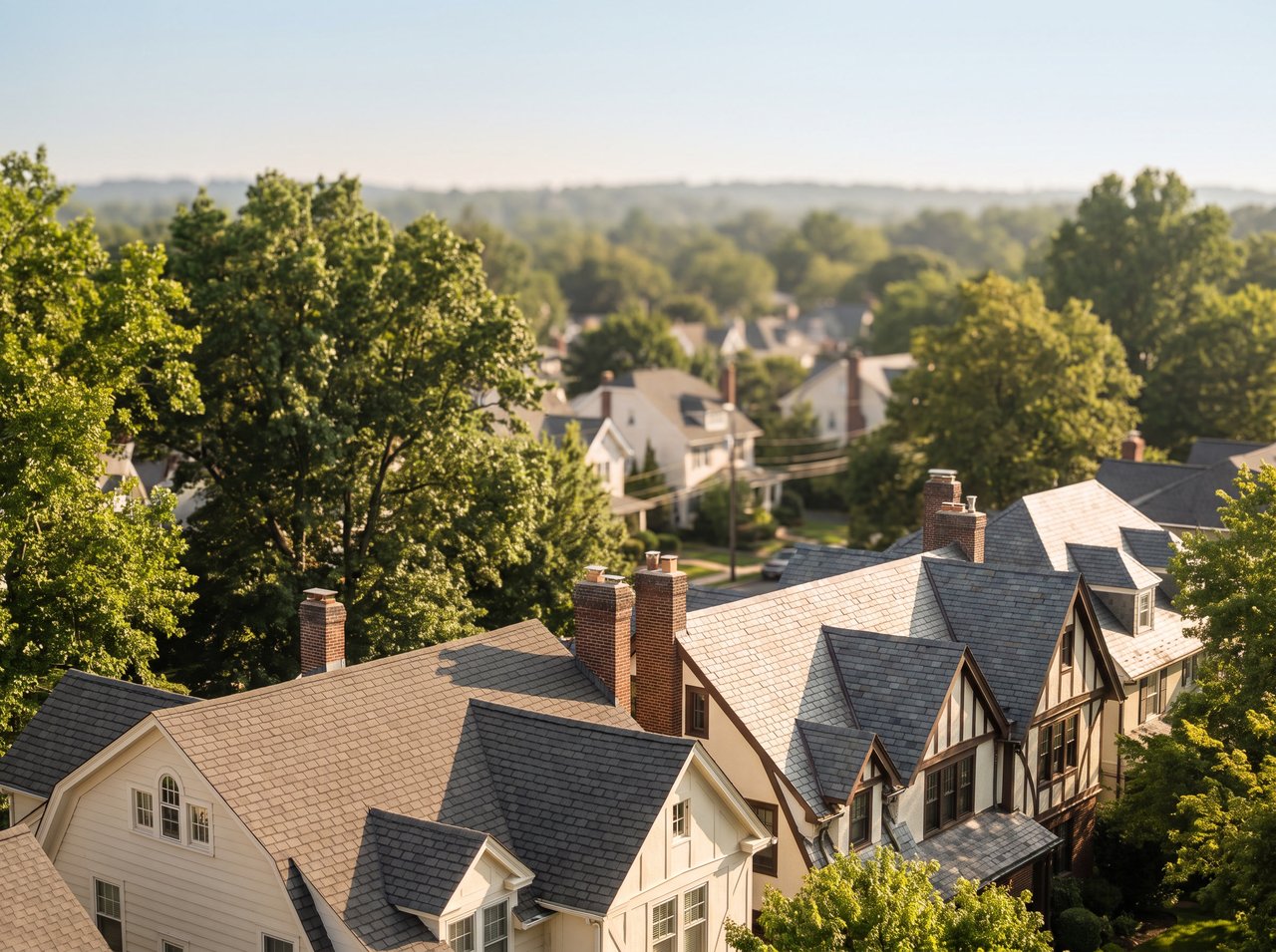
Is Now a Good Time to Buy in Montclair or Glen Ridge NJ?
Blog Allison Ziefert August 3, 2026
Blog Allison Ziefert August 3, 2026
Short answer: No, this isn't a buyer's market in either town. Halfway through 2026, both Montclair and Glen Ridge remain firmly seller-favored, with tight inventory, fast-moving listings, and sale prices running well above asking. The two towns are telling slightly different versions of that story, though, and the details matter for anyone making a move this year.
Montclair's market has been remarkably steady. From January through June, 140 homes sold at an average price of $1,466,150 — up 1.1% from $1,450,572 over the same stretch in 2025.
A few other figures round out the picture:
Paying nearly 24% over asking on average isn't a fluke — it's worth remembering that list price in Montclair is frequently used as a competitive strategy rather than a value estimate, so a sale-to-list ratio above 120% is a stronger demand signal than the raw number might suggest. With well under two months of supply on hand, this remains a market where good homes move quickly.
June alone told an even more competitive story: 41 closings at an average of $1,548,959, with the typical home selling at 127.1% of its asking price after just 15 days on market. Nine of those 41 sales closed at $2 million or above, including one that reached $4.5 million.
By the end of the month, Montclair had 34 active listings against 68 properties under contract — roughly twice as many homes in escrow as sitting available. That gap is a clear sign of how quickly well-positioned inventory gets absorbed, though it doesn't mean every listing sells instantly. Homes that are priced and presented well tend to create urgency; those that miss the mark can still linger.
Read more: Curious which part of town might suit your routine best? Living Near Montclair's Downtowns: What Buyers Should Know breaks down the differences between Montclair Center, Upper Montclair, Watchung Plaza, and beyond.
Glen Ridge posted 36 sales in the first half of 2026 at an average price of $1,595,125 — a 32.8% jump from $1,201,117 during the same period last year. That number looks dramatic, and in one sense it is: it reflects a genuinely strong luxury segment. But it comes with an important caveat.
Glen Ridge is a small market. With only 36 closings, the mix of homes that happened to sell — their size, style, and location — can swing the average significantly. February offers a clear example: just three sales that month averaged more than $2.85 million, not because the whole market doubled in value, but because a handful of higher-priced properties closed together.
The more dependable indicators tell a consistent story: homes sold in 16 days on average (down from 23), fetched 127.4% of asking (up from 126.3%), and active inventory shrank from an average of 8 listings to just 5. Absorption dropped from 1.55 months to 1.22 months. However the headline average is interpreted, demand across Glen Ridge is intense.
Ten homes closed in June at an average of $1,564,241, selling for 130.6% of asking in just 13 days. At month's end, only three Glen Ridge properties were actively listed — against 18 under contract.
For buyers hoping the market loosens up, that's a tough combination: demand for Glen Ridge homes consistently outpaces what comes to market. For sellers, scarce inventory is an advantage, but not a guarantee — preparation, pricing, and exposure still separate a good outcome from an exceptional one.
Zooming out helps put both markets in perspective. Over the past ten years, Montclair's average annual sale price rose from roughly $677,000 in 2015 to about $1,415,000 in 2025 — an increase of approximately 109%. Glen Ridge climbed from around $653,000 to about $1,191,000 over the same span, up roughly 82%.
Market | 2015 Avg. Sale Price | 2025 Avg. Sale Price | 10-Year Change |
|---|---|---|---|
Montclair | ~$677,000 | ~$1,415,000 | ~109% |
Glen Ridge | ~$653,000 | ~$1,191,000 | ~82% |
That growth hasn't been perfectly linear — there have been slower stretches and shifts in the types of homes changing hands. But the long-term trend reflects durable demand for what these towns offer: distinctive architecture, strong community identity, and easy access to New York City, with Glen Ridge's schools and small-town feel and Montclair's broader mix of housing, dining, and culture drawing buyers for the long haul.
A balanced market typically has five to six months of inventory on hand. Montclair and Glen Ridge are sitting at roughly 1.5 and 1.2 months, respectively — nowhere close. That doesn't mean buyers should sit it out; it means preparation has to happen before the right listing appears, not after.
Buyers who are winning offers right now typically have:
Adding a flat percentage to a list price isn't a strategy — a home listed at $999,000 might realistically be worth $1.15 million or $1.4 million depending on condition, location, and the comparables its pricing was built around.
For homeowners in either town, 2026 remains a strong window — but not one where every decision gets rewarded automatically. The listings performing best are treated like coordinated launches: repairs evaluated strategically, staging handled thoughtfully, pricing set with intention, and full exposure secured from day one. The first days on market matter enormously, and that early urgency is difficult to recreate once buyers have already seen — and passed on — a listing.
It's also worth reading townwide averages carefully. Glen Ridge's 32.8% year-over-year increase doesn't mean every seller there should tack that figure onto last year's value, just as Montclair's more modest 1.1% doesn't mean an individual home barely appreciated. Real estate here is hyperlocal: a renovated home near the train can behave completely differently from a similar-sized property needing work, even a few blocks apart.
Read more: Seeing similar dynamics play out elsewhere along the corridor? Maplewood & South Orange NJ Housing Market 2026: Mid-Year Update covers the same supply-and-demand squeeze a few towns over.
Townwide statistics are a useful starting point, but the sales most relevant to your home are the ones that actually move the needle. Reach out to the Allison Ziefert Real Estate Group at [email protected] — we're happy to walk through what we're seeing on the ground in Montclair, Glen Ridge, and the surrounding towns right now.
Is Montclair a buyer's or seller's market in 2026? Seller's market. With roughly 1.5 months of inventory against a balanced benchmark of five to six months, demand is significantly outpacing what's available.
Why did Glen Ridge's average sale price jump so much this year? Mostly because Glen Ridge is a small market — only 36 sales in the first half of 2026 — so a handful of higher-priced closings can swing the townwide average considerably. Days-on-market and sale-to-list ratio are steadier indicators of true demand.
Are homes still selling over asking price in Montclair and Glen Ridge? Yes. Montclair homes averaged 123.8% of asking price in the first half of 2026, and Glen Ridge averaged 127.4% — both consistent with strong buyer competition.
How much have home prices in Montclair and Glen Ridge grown over the past decade? Montclair's average sale price rose roughly 109% between 2015 and 2025, while Glen Ridge rose about 82% over the same period — reflecting long-term demand rather than a short-term spike.
Should sellers expect their home to match the townwide average price increase? Not necessarily. Townwide figures can be skewed by which homes happened to sell. A property-specific comparison, based on condition, location, and recent comparable sales, is a far more reliable guide.
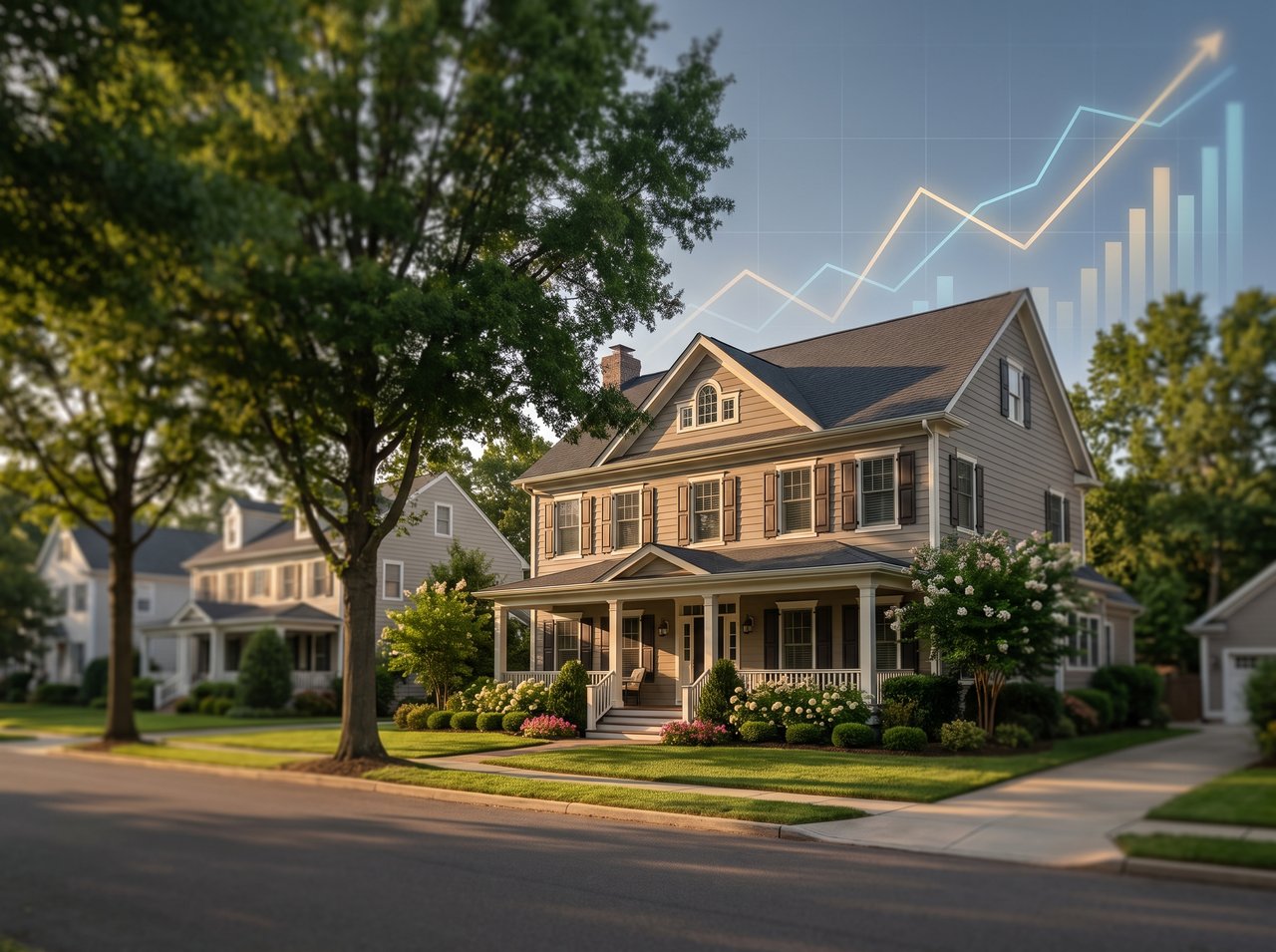
Blog
A mid-2026 status check for anyone buying, selling, or just curious about home values in these two Essex County communities
Blog
A practical seller's guide for homeowners in Essex, Morris, and Union Counties planning to list between September and November

Blog
For Maplewood, Montclair, Millburn, and surrounding-town residents heading to a new market — and what a great agent referral actually looks like
Blog
A mid-2026 look at what's actually driving prices, competition, and inventory in Montclair and Glen Ridge — for buyers wondering if they've missed their window and sel… Read more

Blog
A guide for buyers and sellers anywhere from Maplewood to Morristown who are staring at a thick inspection report and wondering if the deal is in trouble
We are passionate about researching market stats, negotiating contracts, and helping our clients find and sell homes. The majority of our business comes from past clients and referrals from people who know our work.