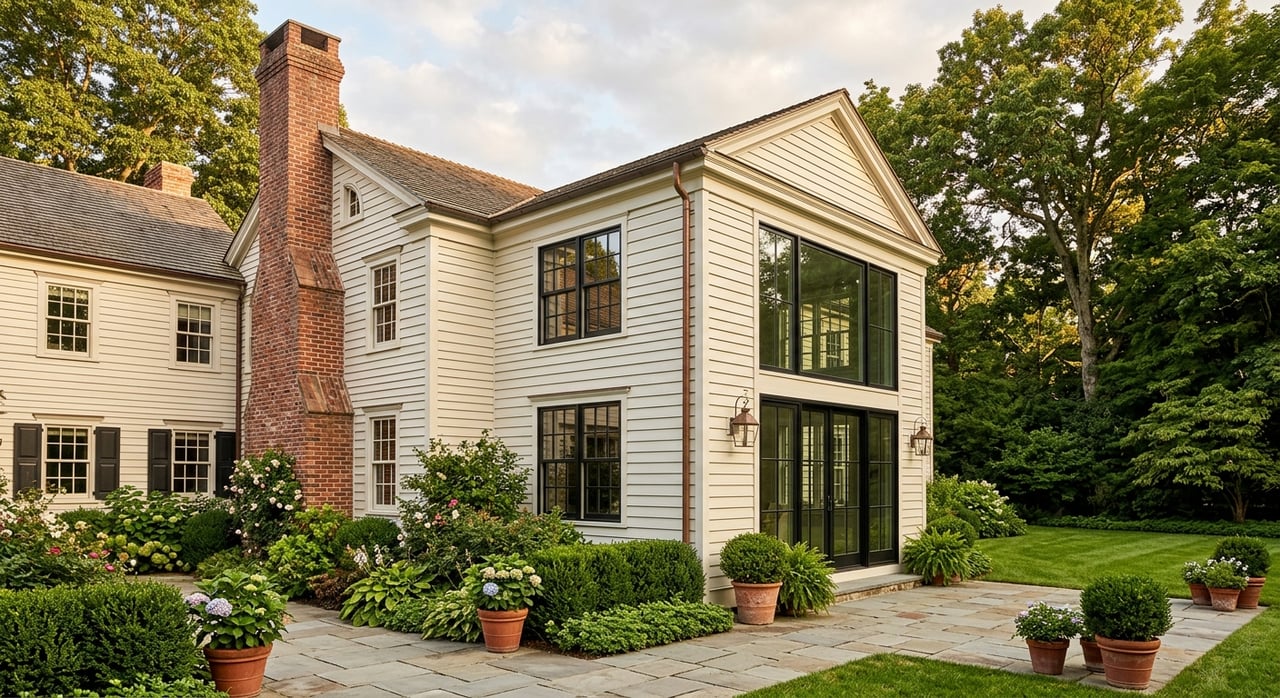
Montclair Historic vs Newer Homes: How to Decide
July 23, 2026
July 23, 2026
Trying to choose between a historic home and a newer one in Montclair? You are not alone. In a town where older homes shape much of the local housing stock, this decision is about more than charm versus convenience. It is also about rules, maintenance, future plans, and what kind of ownership experience fits your life best. If you are weighing both options, this guide will help you sort through the tradeoffs with more confidence. Let’s dive in.
Montclair is an older housing market, which makes the historic-versus-newer question especially relevant here. According to township housing data based on ACS figures, 59.8% of housing units were built in 1939 or earlier. By comparison, only 3.8% were built in 2000 to 2009 and 2.8% in 2010 to 2019.
That means truly newer homes are relatively limited in Montclair. It also means many buyers are deciding among older homes with original features, renovated older homes, and a smaller pool of newer construction. Census Reporter lists the median value of owner-occupied housing in Montclair at $906,400, so this is a decision with meaningful financial and lifestyle implications.
Another layer is that in Montclair, “historic” can mean more than just old. The township has 4 locally landmarked historic districts and 64 individually designated landmarks. Some areas are residential, while others include mixed-use or commercial districts, so it is important to understand a property’s actual designation status rather than rely on appearance alone.
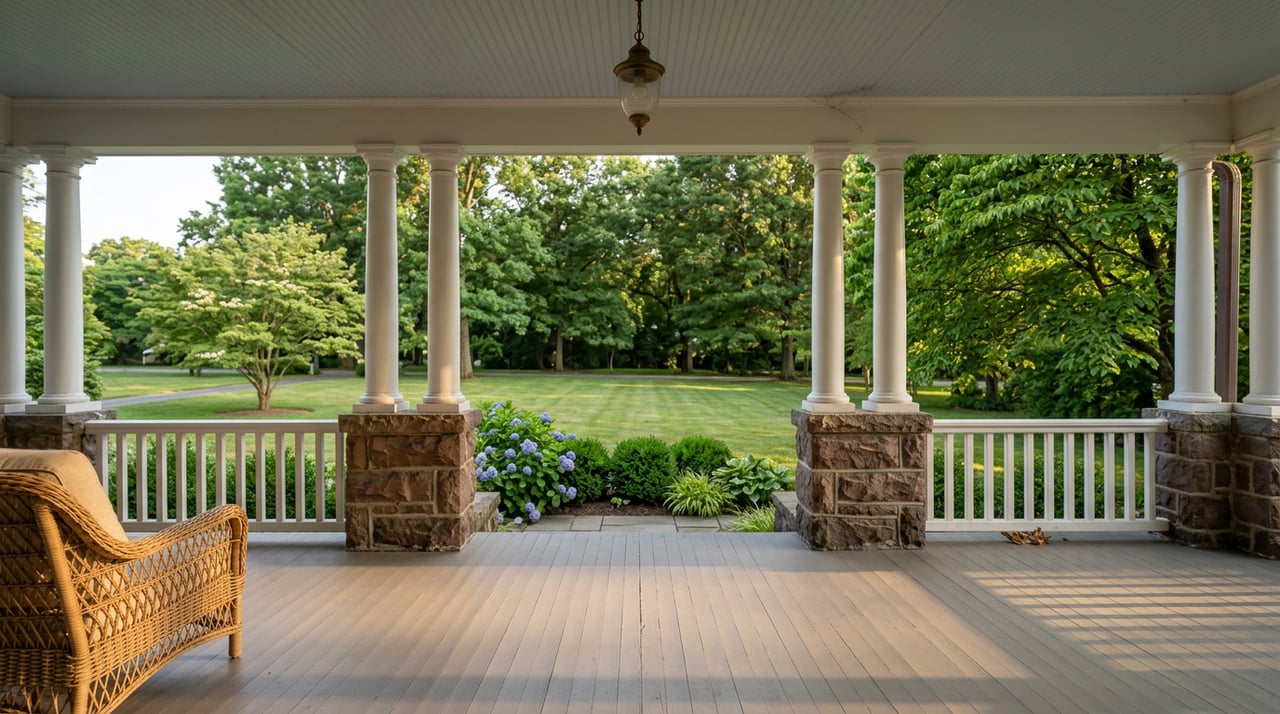
Historic homes in Montclair often stand out because of their architecture and streetscape presence. Township descriptions reference styles like Queen Anne, Colonial Revival, Tudor Revival, Italianate, Classical Revival, Renaissance Revival, Bungalow-Craftsman, and Neo-Classical. In practical terms, you may be looking at large front porches, masonry details, period trim, and older lot patterns.
That character is a big part of the appeal. For many buyers, a historic home offers details and visual texture that are difficult to replicate in newer construction. If you love original design elements and a home that feels rooted in Montclair’s history, an older property may check a lot of boxes.
Still, style alone does not determine whether a home is legally historic. A house may look historic without being individually designated or located in a local historic district. That distinction matters because designation affects what you may need approval for later.
The biggest benefit of a historic home is usually character. You are often getting architecture, craftsmanship, and curb appeal that feel specific to Montclair rather than interchangeable with another market. That can create a stronger emotional connection the moment you walk in.
Historic homes may also benefit from the consistency that preservation rules help maintain. Montclair’s historic preservation FAQ says studies suggest district designation can first stabilize values and then slowly increase them. That is not a guarantee for any one property, but it does point to a broader pattern that some buyers find reassuring.
There is also a scarcity factor at work. In a town where intact period homes are a limited resource, buyers who value original features may see lasting appeal in properties that have kept their historic character. For resale, that can matter.
The flip side is that historic ownership often requires more planning. In Montclair’s local landmark districts, a Certificate of Appropriateness is required before permits are issued for visible exterior improvements, exterior elevation changes, new principal or accessory structures, signs or exterior lighting, and less-than-substantial demolition.
This does not mean every repair becomes complicated. Interior changes, non-visible changes, and exact repairs that do not alter exterior appearance are generally not reviewed. The township specifically lists activities like identical window and door replacement, storm windows and doors that do not change appearance, roofing maintenance, identical siding replacement, and painting as repair work.
The key point is simple: if you want to change what the public sees, you may need to go through review first. If you already know you want to alter windows, add onto the home, rework the porch, or make façade changes, you should factor that process into your decision early.
Newer homes, or older homes that have been thoroughly renovated, often appeal to buyers who want a smoother ownership experience. In general, they can mean fewer immediate projects and more flexibility for future updates, especially if the property is not in a designated historic district.
That flexibility matters if you want the freedom to personalize the home after closing. If your priority is lower-friction ownership and fewer approval steps for visible exterior changes, newer or non-designated properties may be a better fit.
There is also a practical convenience factor. Buyers who are moving on a tight timeline or relocating from out of town often prefer homes that feel more turnkey. In that case, a newer home or a renovated older home may offer a more predictable transition.
Newer does not always mean carefree. The U.S. Department of Energy notes that even newer homes may benefit from insulation upgrades, and simple improvements like air sealing and weatherstripping can still reduce energy loss.
That is especially important when you are looking at a renovated home. Fresh kitchens, updated baths, and polished finishes can make a property feel new, but cosmetic work is not the same as upgraded systems. If you are comparing options, try to separate visual updates from underlying improvements to insulation, ducts, or HVAC.
In Montclair, newer inventory is also limited. Since only a small share of homes were built in the 2000s or 2010s, buyers who want newer construction may need to move quickly when those properties come up or broaden the search to include renovated homes.
For many buyers, the best answer is somewhere in the middle. A recently renovated historic home can offer updated interiors while preserving the exterior character that draws people to Montclair in the first place.
This can work well because Montclair generally does not review interior changes in local historic districts. The township’s FAQ also notes that only exterior changes visible from public view are subject to historic review in those districts. That means some buyers can enjoy modern kitchens, updated layouts, or refreshed systems without losing the home’s period feel.
If you love old-house charm but do not want every project waiting for you after closing, this category is worth serious attention. It often balances aesthetics, comfort, and practicality better than buyers expect.
The right choice usually comes down to three things: designation status, maintenance appetite, and future plans. In Montclair, age alone does not tell the whole story.
A historic home may fit you best if you:
A newer or recently renovated home may fit you best if you:
If you are torn, ask yourself one practical question: How much do you want to change after you move in? In Montclair, that answer often points you in the right direction.
Before you make an offer, it helps to go beyond the usual showing notes. In Montclair, a little extra homework can prevent big surprises later.
Here are a few questions to ask:
If you think you may want new windows, storm windows, an addition, or façade changes, ask about the Certificate of Appropriateness process right away. Montclair also allows informal concept review before a formal application in some cases, which can help you understand what may be possible before committing to larger plans.
In Montclair, this choice is rarely just about age. It is about the kind of homeownership experience you want, how much character matters to you, and how comfortable you are with maintenance and review processes.
Some buyers fall in love with original trim, porches, and classic architecture and feel the tradeoffs are well worth it. Others want a more streamlined, move-in-ready experience with fewer unknowns. Neither path is better across the board. The right answer is the one that fits your priorities, budget, and plans for the home.
If you want help weighing specific properties in Montclair, the team at Allison Ziefert Real Estate Group can help you compare options, understand local context, and choose the home that truly fits how you want to live.
Blog
A mid-2026 status check for anyone buying, selling, or just curious about home values in these two Essex County communities
Blog
A practical seller's guide for homeowners in Essex, Morris, and Union Counties planning to list between September and November

Blog
For Maplewood, Montclair, Millburn, and surrounding-town residents heading to a new market — and what a great agent referral actually looks like
Blog
A mid-2026 look at what's actually driving prices, competition, and inventory in Montclair and Glen Ridge — for buyers wondering if they've missed their window and sel… Read more
Blog
A guide for buyers and sellers anywhere from Maplewood to Morristown who are staring at a thick inspection report and wondering if the deal is in trouble
We are passionate about researching market stats, negotiating contracts, and helping our clients find and sell homes. The majority of our business comes from past clients and referrals from people who know our work.