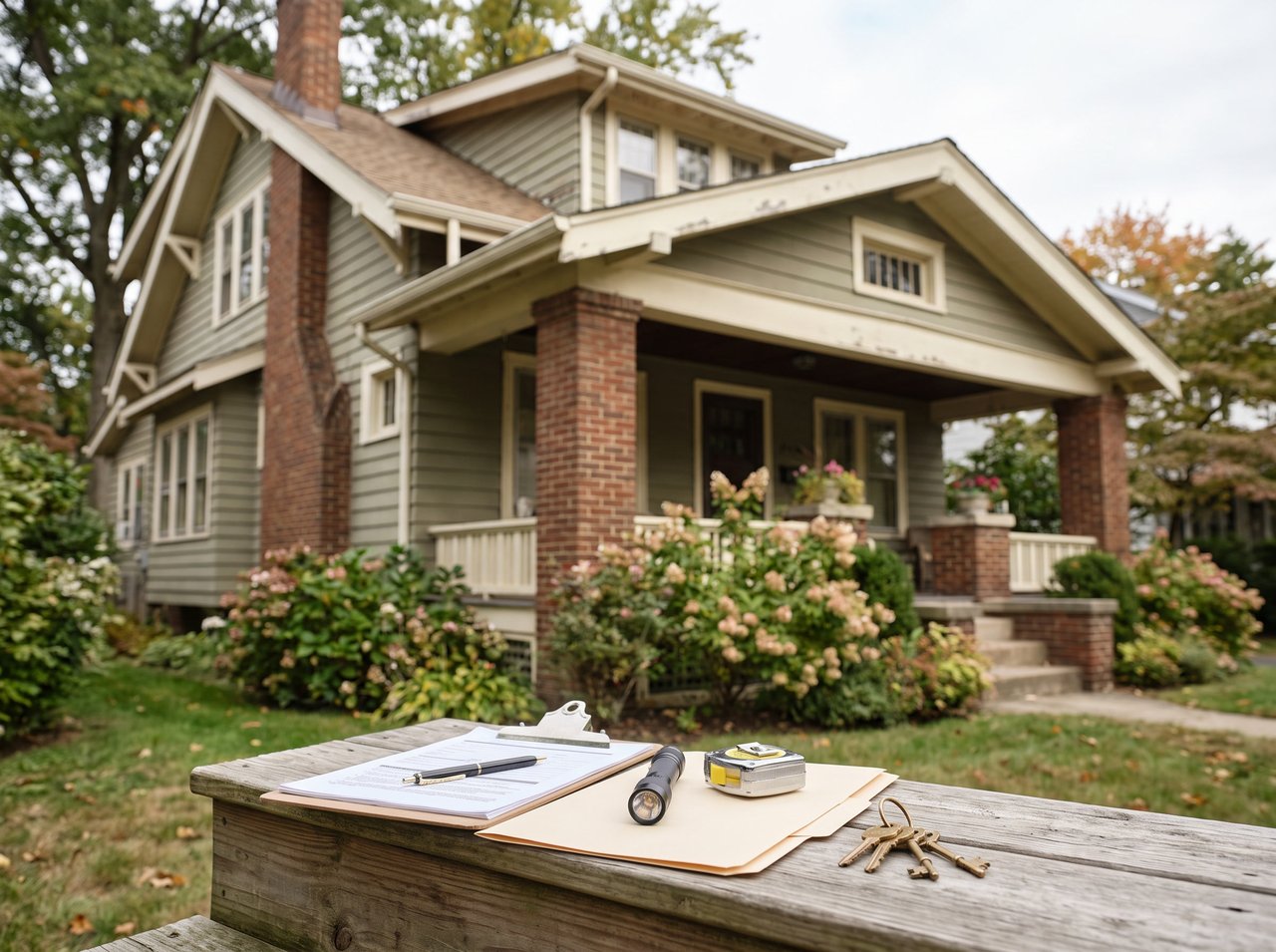
What Does “Sold As-Is” Mean When Buying a Home in Northern NJ?
Home Selling Allison Ziefert September 24, 2026
Home Selling Allison Ziefert September 24, 2026
“Sold as-is” can sound intimidating, but it does not automatically mean a home is a bad purchase. In Northern New Jersey, it usually means the seller is signaling that they do not plan to make repairs or renegotiate over every item that appears in an inspection report.
That said, as-is does not mean buyers should skip due diligence. New Jersey buyers are still strongly encouraged to inspect the property, understand contract deadlines, review disclosures, and speak with their attorney before deciding how to proceed. New Jersey’s homebuying guide recommends using a qualified, independent home inspector soon after a contract becomes binding, and inspection timelines are governed by the contract.
In plain English, an as-is sale means the seller wants to transfer the property in its current condition. The seller may not want to complete repairs, offer credits, or manage contractor work before closing.
This comes up often in older Northern NJ housing stock. A Maplewood NJ Colonial, South Orange NJ Tudor, Montclair Victorian, or Glen Ridge historic home may have character buyers love, along with age-related items that show up during inspection. As-is language can also appear in estate sales, investor-owned homes, homes needing updates, or properties where the seller wants a cleaner, more predictable transaction.
It does not necessarily mean the home has major defects. Sometimes it simply means the seller is prioritizing certainty and does not want a long second negotiation after inspections.
No. Buyers should not assume that as-is means “no inspection.” In many Northern NJ transactions, buyers still perform a general home inspection and may also consider sewer, chimney, radon, oil tank, structural, or environmental evaluations depending on the property.
That matters because homes in towns like Millburn NJ, Short Hills, Livingston NJ, West Orange NJ, Summit NJ, Westfield NJ, Madison NJ, Chatham NJ, and Morristown NJ vary widely by age, construction style, systems, additions, and maintenance history. A renovated home near a walkable downtown may carry a very different risk profile than a fixer-upper on a larger lot or an estate property that has not changed hands in decades.
Read more: If you want to understand the inspection side before writing an offer, this guide explains the types of inspections buyers commonly budget for in Northern NJ: How Much Should You Budget for Home Inspections in Northern New Jersey?
An as-is buyer is usually accepting that the seller’s willingness to make repairs may be limited. That does not mean the buyer must ignore major findings or move forward no matter what.
Before making an offer, buyers should understand:
This is especially important in competitive towns where home prices in Essex County and nearby markets remain strong. In places like Maplewood, South Orange, Montclair, Bloomfield, Glen Ridge, and West Orange, buyers may feel pressure to accept more risk to win. The key is knowing the difference between manageable old-house maintenance and a problem that changes the value or safety of the home.
No. As-is does not give a seller permission to conceal known material issues. New Jersey uses a Seller’s Property Condition Disclosure Statement to disclose, to the best of the seller’s knowledge, the property’s condition, and New Jersey law also addresses seller disclosure obligations in residential transactions.
For sellers, that means as-is should not be used as a shield. If there are known issues, the safer approach is to disclose honestly, price thoughtfully, and work with your attorney and agent on how the property should be marketed.
For buyers, that means reviewing disclosures carefully and asking follow-up questions before and during the inspection period.
Sellers choose as-is language for different reasons. Sometimes the property needs work. Sometimes the seller is an estate, relocation seller, or homeowner who does not have the time, funds, or bandwidth to coordinate repairs. Sometimes the home is perfectly livable but dated, and the seller would rather price accordingly than renovate before listing.
In Northern NJ, this is common because many homes are older. Buyers moving to Maplewood NJ or comparing what buyers want in Montclair often care about original details, walkable downtowns, train access, and school communities as much as brand-new finishes. An as-is listing can still be appealing if the price, location, and long-term potential make sense.
Read more: For sellers deciding what to fix before listing, this related guide explains how to focus on smart prep instead of over-renovating: Preparing Your SOMA Home for Sale: What to Fix — and What to Skip
It can be, but only if the buyer understands the tradeoff. The price should make sense for the condition, the inspection findings, and the buyer’s ability to handle future work.
A dated kitchen in Bloomfield NJ is very different from active water intrusion in a basement. Old windows in Madison NJ may be manageable; a failing sewer line in Westfield NJ may require a larger planning conversation. A charming home in Chatham NJ may still be worth pursuing if the issues are clear, expected, and reflected in the offer strategy.
The best as-is purchases are not the ones where buyers ignore problems. They are the ones where buyers understand the home clearly before closing.
Start with the right questions. Ask what is known, what has been updated, what has been maintained, and what the seller is willing to provide. Then build an offer that reflects both the opportunity and the risk.
Buyer checklist:
Read more: If you are still learning how offer strategy works in this market, this buyer guide covers common mistakes across Northern NJ: What Mistakes Do Home Buyers Make in Northern New Jersey?
For sellers, as-is can be useful, but it has to be positioned carefully. If the language sounds too defensive, buyers may assume the worst. If the home is priced as though it is move-in ready, buyers may push back after inspections.
A strong strategy usually includes:
This is especially important in towns like Short Hills, Millburn, Summit, and Livingston, where buyers may be willing to pay a premium but still expect clarity around condition, systems, and long-term maintenance.
Read more: For homeowners thinking about net proceeds and selling costs, this guide is a useful companion: What Does It Actually Cost to Sell a Home in Northern New Jersey?
For Northern NJ Buyers
An as-is listing is not automatically a red flag. It is a signal to slow down, inspect carefully, understand the contract, and decide whether the home’s condition matches the price and your comfort level. In competitive markets from Maplewood to Morristown, the goal is not fear — it is clarity.
For Northern NJ Sellers
Selling as-is can make sense, especially if you want to avoid managing repairs before listing. But the strategy works best when the home is priced honestly, disclosures are handled carefully, and buyers understand what they are walking into.
Whether you are evaluating an as-is listing or deciding whether to sell your own home as-is, local context matters. The Allison Ziefert Real Estate Group can help you understand how condition, pricing, inspections, and buyer expectations are playing out across Northern New Jersey right now.
Reach out at [email protected] for personalized guidance.
Does “as-is” mean I cannot ask for repairs? Not necessarily. It usually means the seller does not intend to make repairs, but your options depend on the contract, inspection findings, and attorney guidance.
Should I inspect an as-is home in Northern NJ? Yes. Buyers should still complete appropriate inspections and understand the property’s condition before moving forward.
Is an as-is home always cheaper? Not always. Price depends on location, competition, condition, lot, school district, commute access, and buyer demand.
Can a seller hide known problems by saying “as-is”? No. As-is language does not remove disclosure obligations or allow a seller to conceal known material issues.
Is buying as-is common in older Northern NJ towns? Yes, it can appear in established markets with older homes, estates, and properties needing updates, especially in towns with historic housing stock like Maplewood, South Orange, Montclair, Glen Ridge, and Chatham.
Blog
For Northern New Jersey homeowners who want to understand what drives competitive offers, how listing prices influence buyer behavior, and what really determines a suc… Read more
Blog
For homeowners in Maplewood, South Orange, and Northern New Jersey who want to understand their property's value before selling, refinancing, or planning their next mo… Read more
Blog
A step-by-step guide for buyers navigating the post-contract period in Essex, Morris, and Union Counties


Blog
A straight-numbers look for buyers considering a purchase in Maplewood, Montclair, Summit, and surrounding towns — and what the math actually says about timing
Home Selling
A practical guide for buyers and sellers in Maplewood, South Orange, Montclair, Summit, Westfield, Chatham, and nearby Northern New Jersey towns.
We are passionate about researching market stats, negotiating contracts, and helping our clients find and sell homes. The majority of our business comes from past clients and referrals from people who know our work.