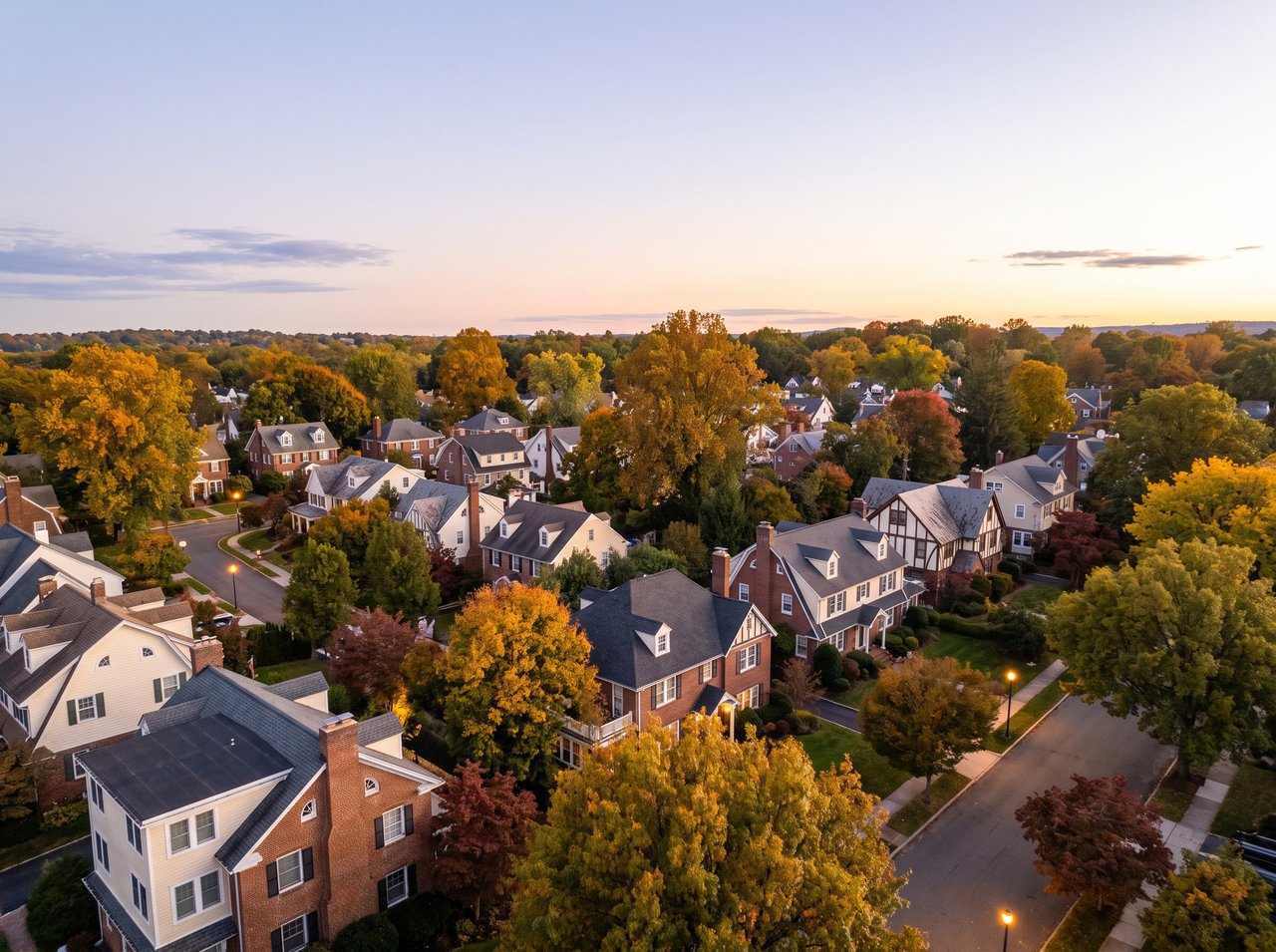
Should You Wait for Mortgage Rates to Fall below 7% Before Buying a Home in Northern NJ?
Blog Allison Ziefert September 30, 2026
Blog Allison Ziefert September 30, 2026
Mortgage rates are up. You've seen the headlines. And if you're a buyer in Northern New Jersey right now, you may be wondering whether it makes more sense to wait — hoping for rates to come back down before committing to a purchase.
It's a reasonable question. But it's not the right question on its own. The more useful one is: what will the home I want actually cost if I wait — and will my total payment and cash requirement be better or worse when rates do fall?
Here's what the numbers say.
Rates have moved considerably in 2026. Freddie Mac's national 30-year fixed average dipped below 6% in February, then climbed back to 7.03% as of late September — rising from 6.76% to 7.03% in the span of two weeks alone. That kind of movement helps explain why buyers who felt comfortable with a payment earlier this year are recalculating now.
Looking ahead, Fannie Mae's September 2026 forecast projects a national average 30-year rate of approximately 6.7% in 2027 — some easing from the current level, but nowhere near the historically low rates many buyers still use as a mental anchor. That forecast was prepared before the most recent weekly increase and reflects a national outlook, not a rate quote for any individual buyer. Forecasts change.
On a $1.5 million purchase with 20% down, the loan amount is $1.2 million on a 30-year fixed. Here's what the monthly principal and interest looks like at two rate points:
The difference is approximately $595 per month — or roughly $7,140 per year. That's a real budget consideration, not a rounding error.
The psychology matters just as much as the math. Buyers often anchor to a rate they saw six months ago, or to the rate a friend has on a mortgage they took out years earlier. Seeing "7%" can make a home feel less attainable even when the actual payment fits the budget. And some buyers pause specifically because they expect rates to fall soon and don't want to feel they bought at the wrong moment.
That pause can shift the competitive landscape. When rates rise, some buyers reduce their budgets or step back entirely. When rates fall, many of those same buyers return — along with others who were waiting. Whether that creates more competition on a specific home depends on local inventory and demand at that moment.
As of mid-September, inventory in Northern NJ markets including Maplewood, Westfield, Montclair, and Madison was running at roughly two to three months of supply. That's a limited selection for buyers actively searching.
If inventory stays this constrained and demand holds, prices in these markets could rise meaningfully — in some scenarios, by 10% to 20% over the next year, particularly for the well-located, well-prepared homes buyers want most. That range reflects a possibility, not a guarantee. More listings coming to market, a shift in buyer demand, or broader economic changes could produce a different outcome. But low inventory is a reason to factor potential price growth into the "wait vs. buy now" calculation — not just the rate difference.
Read more: For a current read on what's actually happening in two of the region's most closely watched markets right now, this mid-2026 update on the Maplewood and South Orange housing market covers inventory levels, buyer demand, and pricing direction through the second half of the year.
Here's the scenario worth running: suppose the $1.5 million home you could buy today costs 12% more in a year — $1.68 million. With 20% down on the higher price, you'd need $336,000 rather than $300,000, and you'd be borrowing $1.344 million instead of $1.2 million.
Even if rates fall to 6.7% — roughly in line with Fannie Mae's 2027 projection — the monthly payment on the higher-priced home would still be approximately $689 more than buying today at 7%. At 6.5%, it would be roughly $511 more. And that's before accounting for the additional $36,000 needed for the larger down payment, on top of closing costs.
There's another dimension to that $180,000 price increase: a buyer who purchased at $1.5 million today would own the home during any appreciation that occurs, while a buyer who waited would face the higher purchase price without having participated in the gain. Appreciation is never guaranteed, and an increase in a home's market value isn't the same as $180,000 in liquid cash. But waiting means you don't benefit from any price growth that happens before you buy.
The 12% price scenario is an illustration, not a prediction. The rate figures come from Fannie Mae's published forecast and are provided as examples, not as rate quotes for any individual borrower.
A buyer who waits also misses a year of potential homeownership tax benefits. Mortgage interest may be deductible if you itemize — but on a new $1.2 million mortgage, federal rules generally limit the deduction to interest on the first 750,000ofqualifyingacquisitiondebt(375,000 if married filing separately). Whether itemizing actually reduces your tax bill depends on your complete financial picture. This is a question for your tax adviser, not an assumed savings figure to build into a payment comparison.
This is worth saying directly: there is no single mortgage rate. The national average you read about in the news is a benchmark, not an offer. Your actual rate depends on your credit profile, down payment, loan amount, property type, loan program, and how the loan is structured. Your rate could be meaningfully higher or lower than the headline figure.
That means the conversation worth having isn't "when will rates come down?" It's a conversation with a mortgage professional about what your specific numbers actually look like — today, and under different future scenarios. You may have more options than the headlines suggest: different loan programs, adjustable-rate structures, temporary buydowns, and other strategies that change the real cost of buying now versus waiting.
And while some buyers are sitting out because of the headlines, that can mean less competition for the homes that are available — which is its own form of market opportunity in places like Summit, Chatham, and Livingston where well-priced listings rarely wait long.
Read more: If you're exploring financing options beyond a standard conventional loan, this guide to bank statement mortgages and delayed financing in Northern NJ covers alternative strategies that may open more doors than buyers expect.
Don't make a major purchase decision based on a rate headline. Run your actual numbers — with a lender who knows this market — before concluding that waiting makes more financial sense than buying now. Factor in what the home you want might cost in six or twelve months, not just what the rate might be. In a supply-constrained market like Northern NJ, price growth can erode the savings from a lower rate faster than most buyers expect.
If you find the right home in Maplewood, Montclair, Millburn, or anywhere else in the region, the question isn't just what the rate is today. It's what the total cost of ownership looks like now versus later — down payment, monthly payment, and purchase price together.
Higher rates have reduced the buyer pool somewhat, but the buyers who remain active are serious and financially prepared. Well-priced, well-presented homes in tight-inventory markets are still moving quickly. If you've been waiting for rates to drop before listing because you assumed demand would be stronger then — understand that lower rates bring more buyers back, which means more competition for you on your next purchase too.
The Allison Ziefert Real Estate Group works with experienced mortgage professionals who can model different rate, price, and timing scenarios for your specific financial situation. Whether you're actively searching or still deciding whether now is the right moment, a real numbers conversation is far more useful than a headline. Many lenders have programs that allow you to “buy down” your rate for the first couple of years of ownership and this could be a magic bullet for some buyers.
Reach out at [email protected] and we'll help you build a strategy based on what actually makes sense for you.
Should I wait for mortgage rates to drop before buying in Northern NJ? It depends on what happens to prices while you wait. In low-inventory markets like Maplewood, Montclair, and Summit, meaningful price appreciation can more than offset the savings from a lower rate — leaving buyers who waited with a higher purchase price, a larger required down payment, and in some scenarios a higher monthly payment than if they had bought at a higher rate on a lower price.
What is the current mortgage rate for a 30-year fixed loan? As of late September 2026, Freddie Mac's national average for a 30-year fixed mortgage was 7.03%. Your actual rate will depend on your credit profile, down payment, loan amount, property type, and loan program — it could be higher or lower than the published average.
What are mortgage rates expected to do in 2027? Fannie Mae's September 2026 forecast projects a national average 30-year rate of approximately 6.7% in 2027. That suggests some easing from current levels, but forecasts change and this is not a rate quote for individual borrowers.
How much does a 1% difference in mortgage rate actually affect my monthly payment? On a $1.2 million loan (a $1.5M purchase with 20% down), the difference between 6.25% and 7% is approximately $595 per month. The impact grows with loan size — which is why rate sensitivity is especially meaningful at the price points common in Northern NJ's most competitive towns.
What financing options are available if the standard rate feels too high? Buyers have more options than a single rate headline suggests — adjustable-rate mortgages, temporary buydowns, different loan programs, and alternative documentation loans for self-employed borrowers can all change the effective cost of borrowing. A conversation with a knowledgeable mortgage professional is the right starting point before making any timing decision.
Blog
For Northern New Jersey homeowners who want to understand what drives competitive offers, how listing prices influence buyer behavior, and what really determines a suc… Read more
Blog
For homeowners in Maplewood, South Orange, and Northern New Jersey who want to understand their property's value before selling, refinancing, or planning their next mo… Read more
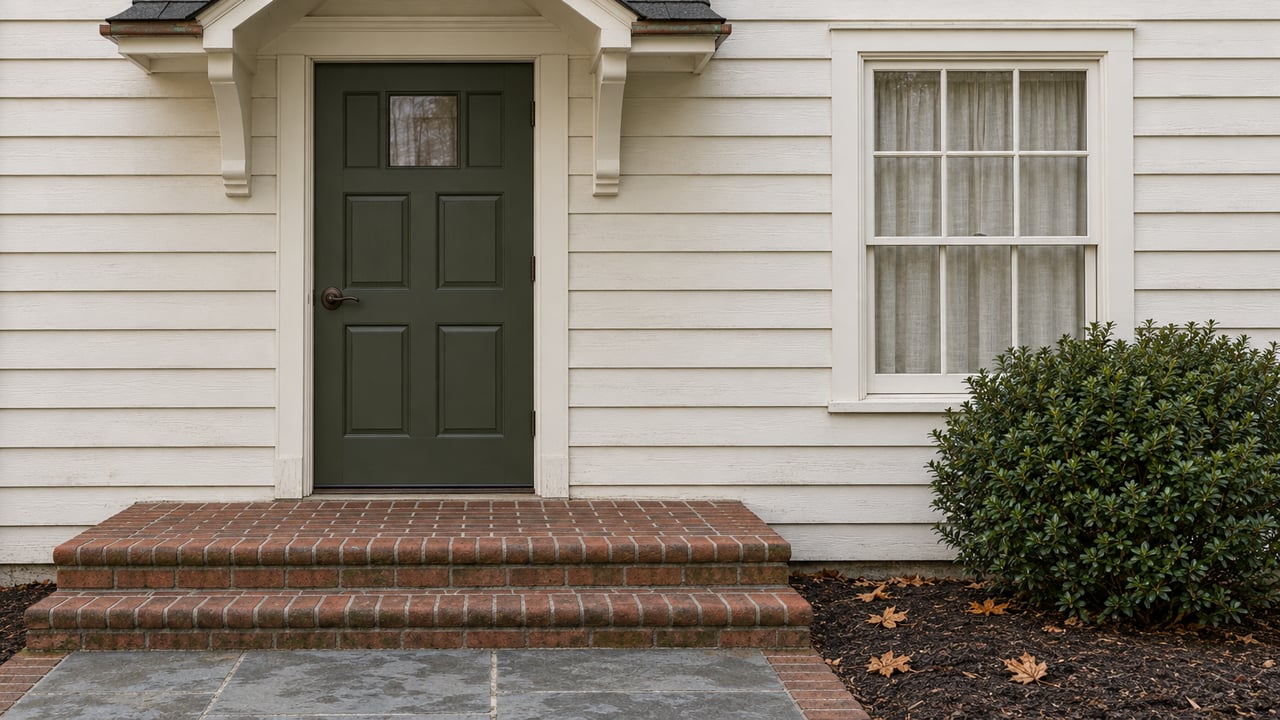

Blog
A step-by-step guide for buyers navigating the post-contract period in Essex, Morris, and Union Counties
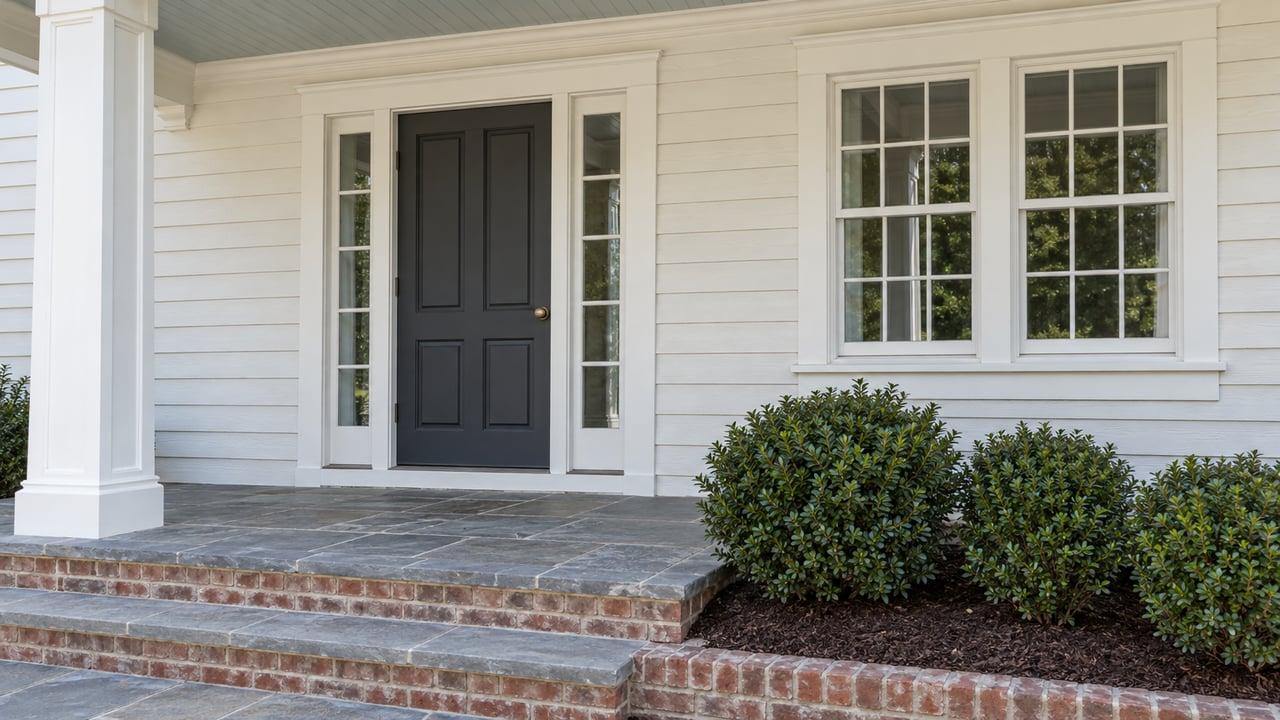

Blog
A straight-numbers look for buyers considering a purchase in Maplewood, Montclair, Summit, and surrounding towns — and what the math actually says about timing
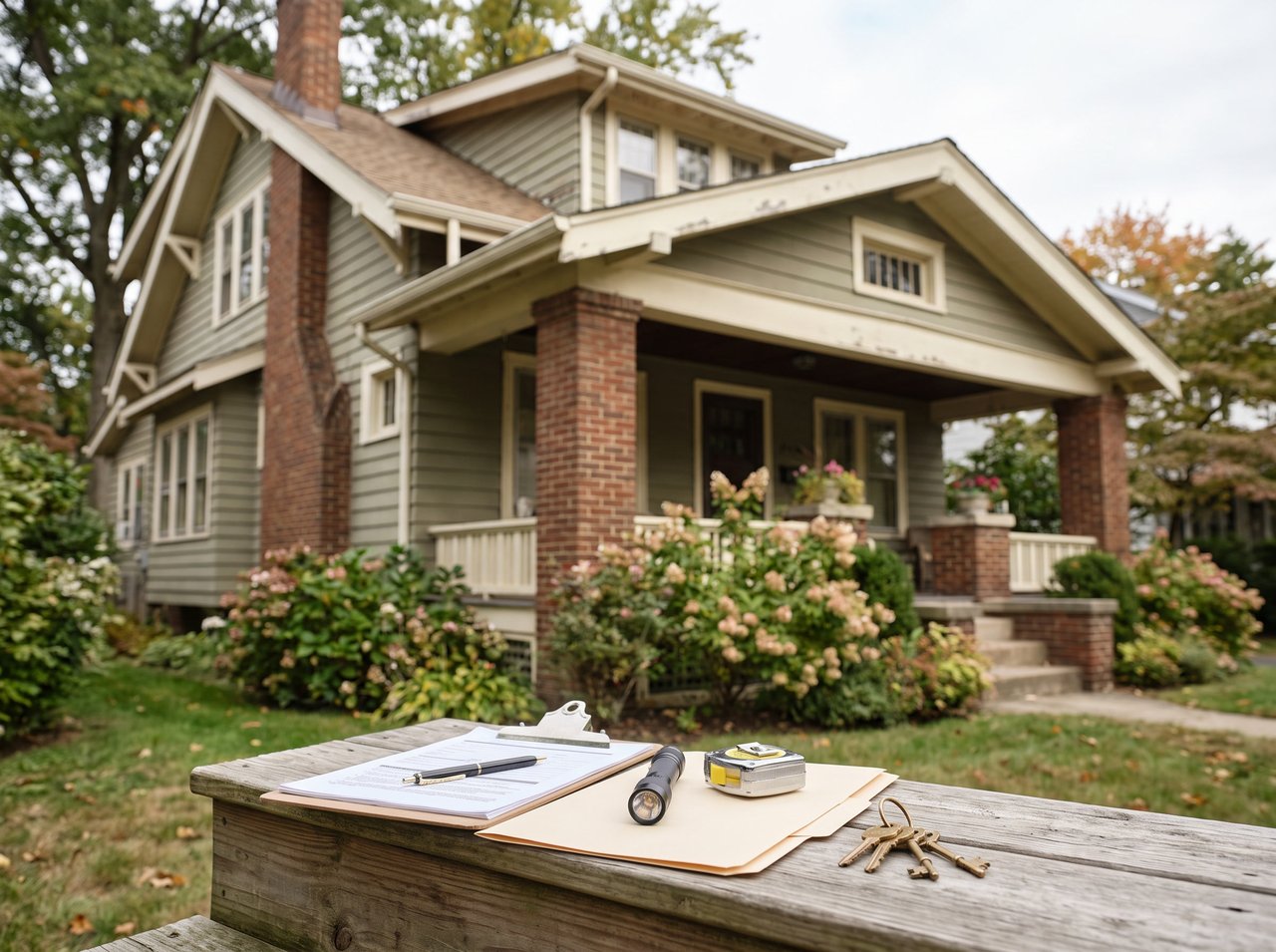
Home Selling
A practical guide for buyers and sellers in Maplewood, South Orange, Montclair, Summit, Westfield, Chatham, and nearby Northern New Jersey towns.
We are passionate about researching market stats, negotiating contracts, and helping our clients find and sell homes. The majority of our business comes from past clients and referrals from people who know our work.