Outdoor Living Inspiration From Maplewood Homes
June 25, 2026
June 25, 2026
If you have ever walked a Maplewood street and thought, these homes just know how to live outside, you are not imagining it. From covered front porches to fenced backyards with patios and layered planting, outdoor living in Maplewood often feels welcoming, practical, and beautifully tied to the house itself. If you are looking for ideas you can actually use, this guide will show you what stands out in Maplewood homes and how to think about outdoor spaces that feel right for the town. Let’s dive in.
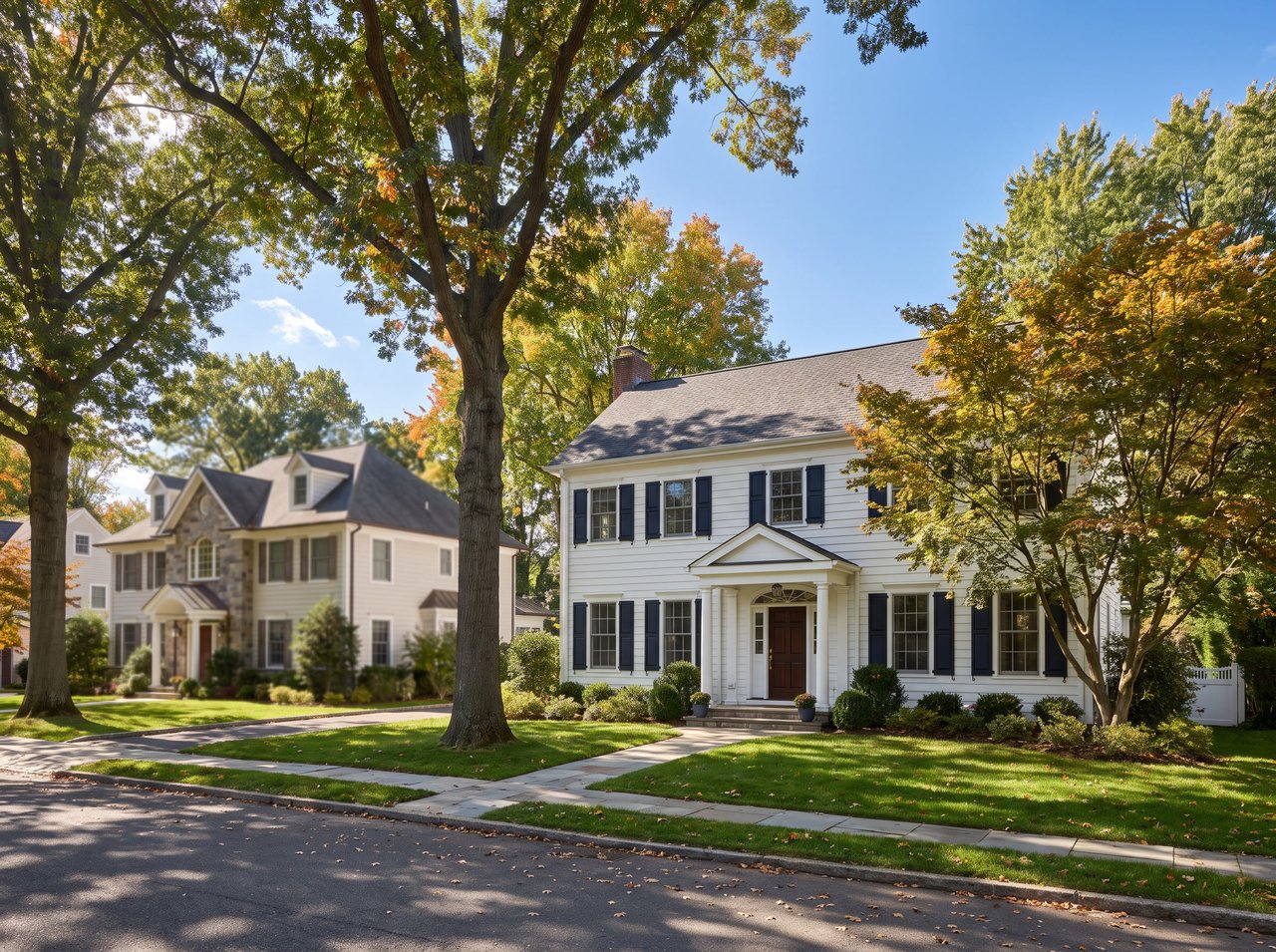
Maplewood has a distinct outdoor style because the town has long emphasized preserving its housing stock, landscape character, and shade trees. Township planning documents point to tree-lined landscapes as part of what enriches daily life, and that helps explain why front porches, yards, and original exterior details still matter so much here.
That sense of continuity is easy to see in the town’s older homes. In 2025, the Historic Preservation Commission noted that it had honored more than 500 century-old homes. When so many homes have lasting architectural character, outdoor living tends to work best when it complements that character instead of competing with it.
Maplewood also has a strong garden culture. The Maplewood Garden Club has been active since 1927, supports gardens around town, and has even featured programming on small ornamental trees for homeowners with smaller properties. That is a useful reminder that outdoor living here is often less about sheer size and more about creating a layered, usable feel.
One of the clearest patterns in Maplewood listings is that outdoor space often unfolds in stages. Instead of one oversized backyard feature, many homes offer a sequence like a front porch, a side or rear screened porch, and then a patio, deck, or fenced yard.
That layout works especially well on modest lots. It lets you create separate zones for morning coffee, casual dining, quiet reading, or weekend entertaining without needing a massive footprint. In Maplewood, outdoor living often feels more intentional when it is broken into smaller, connected spaces.
Recent listings show this again and again. Homes in town frequently feature open or covered front porches, screened or three-season porches, decks, patios, planted lots, and level fenced backyards. The takeaway is simple: if you want your outdoor space to feel Maplewood-appropriate, think comfort and flow before size.
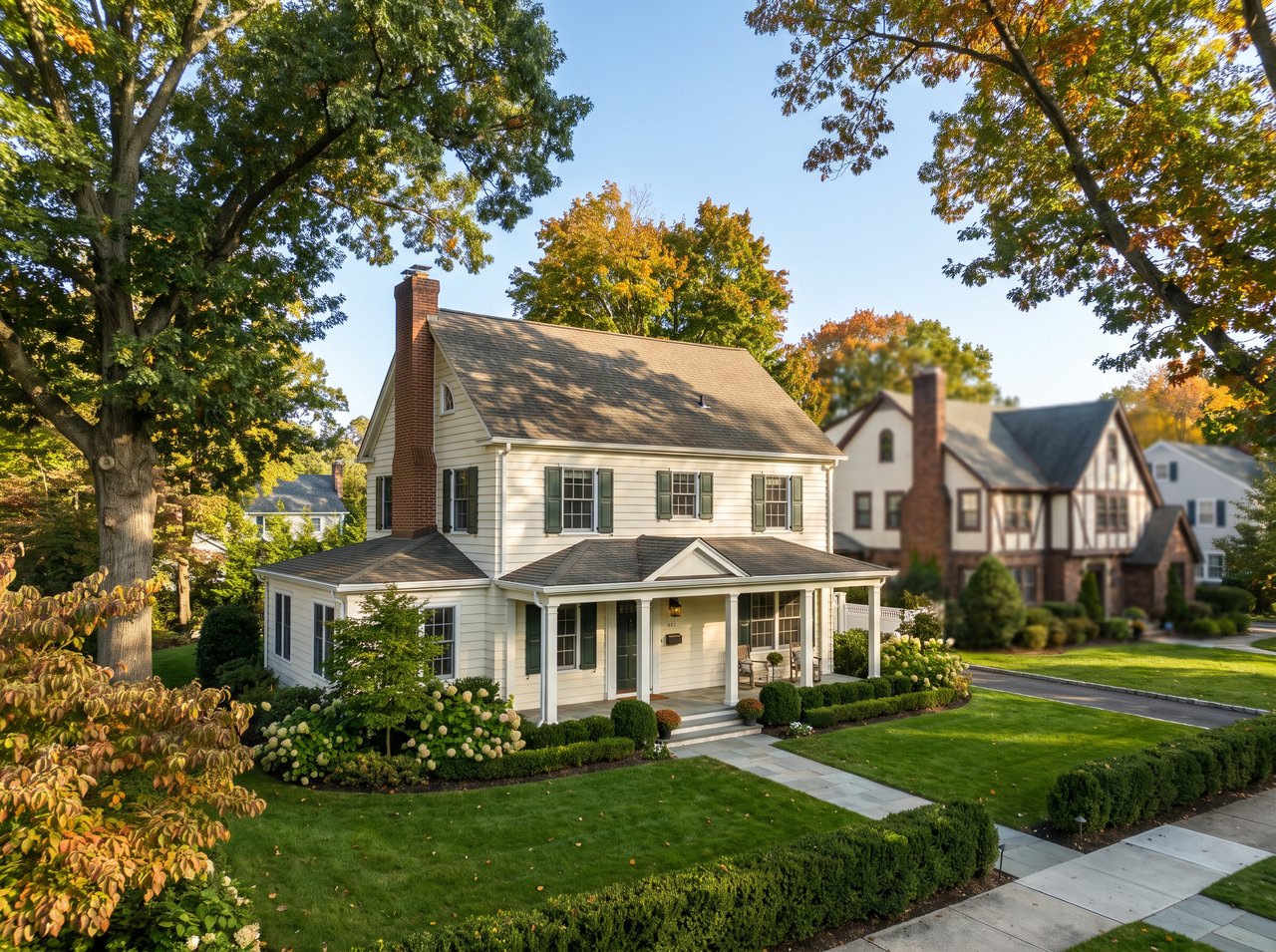
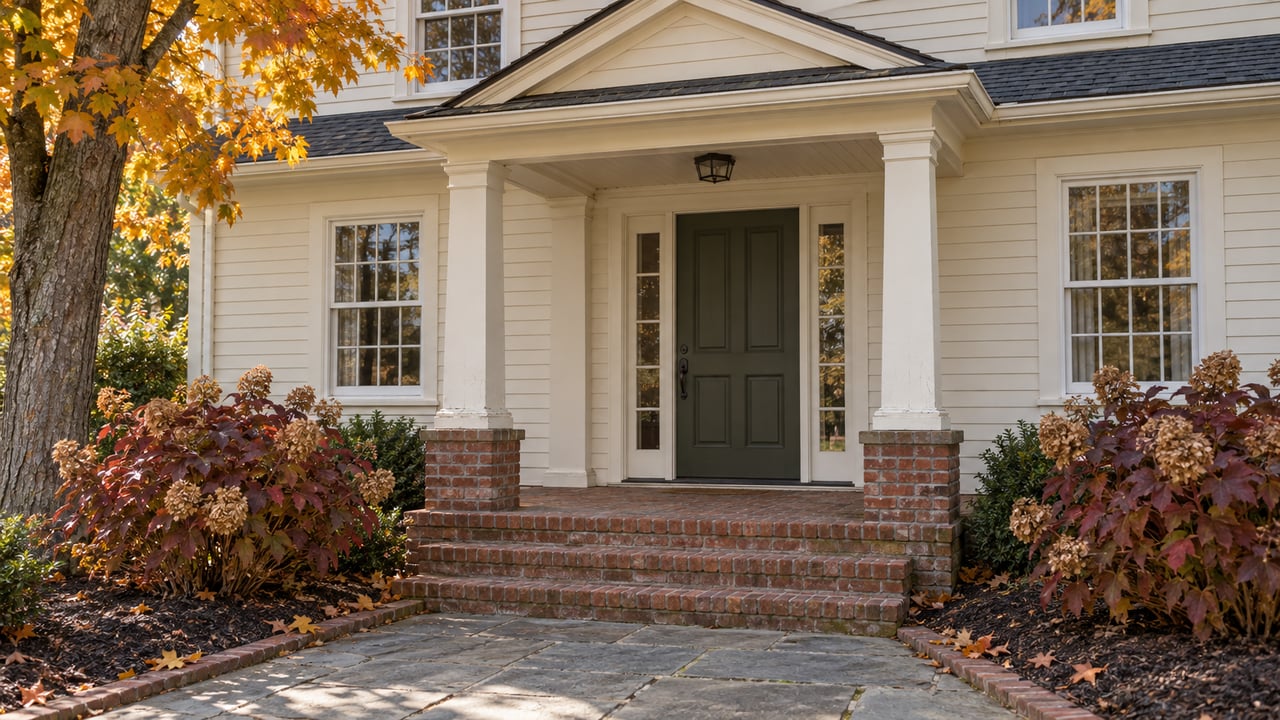
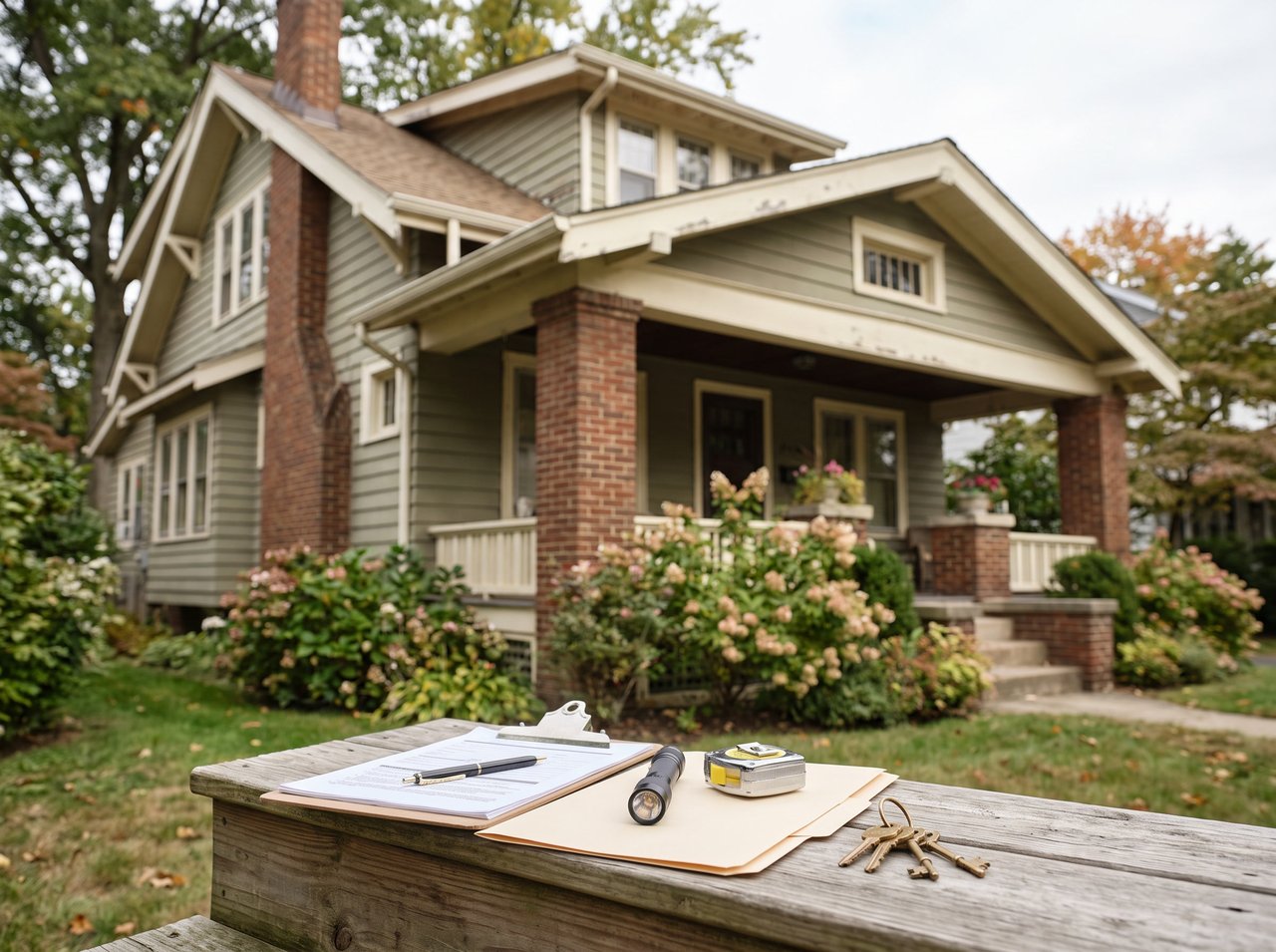
In Maplewood, the front porch does more than add curb appeal. It often acts as a visible living space that connects the home to the street and reinforces the town’s tree-lined, porch-friendly character.
A small seating zone can go a long way here. A bench, porch swing, or bistro set can make the space feel useful without overwhelming the facade. This kind of setup fits what recent design coverage and local home examples show, especially in a town where curb-facing outdoor space is part of the visual identity.
Listings help illustrate the point. At 56 Woodside Road, the covered front porch is one of the defining outdoor features. At 542 Prospect Street, the covered porch works with the rest of the yard to create a welcoming first impression before you even reach the backyard patio.
If there is one Maplewood feature that feels especially smart, it may be the screened or three-season porch. These spaces extend how long you can enjoy the outdoors in spring and fall while still giving you some separation from weather and the elements.
They also fit the scale of many local homes. Instead of a major addition, a screened or three-season porch can create the feeling of an extra room while staying connected to the architecture of the house. In a town that values cohesion and preservation, that matters.
You can see this in local listings. The home at 22 Princeton Street includes a three-season back porch along with a stone patio, while 21 Evergreen Place features a screened-in porch tied to a more entertainment-focused rear setup. At 27 Maple Terrace, the screened porch overlooks the backyard and connects directly to the deck, reinforcing that sense of linked outdoor rooms.
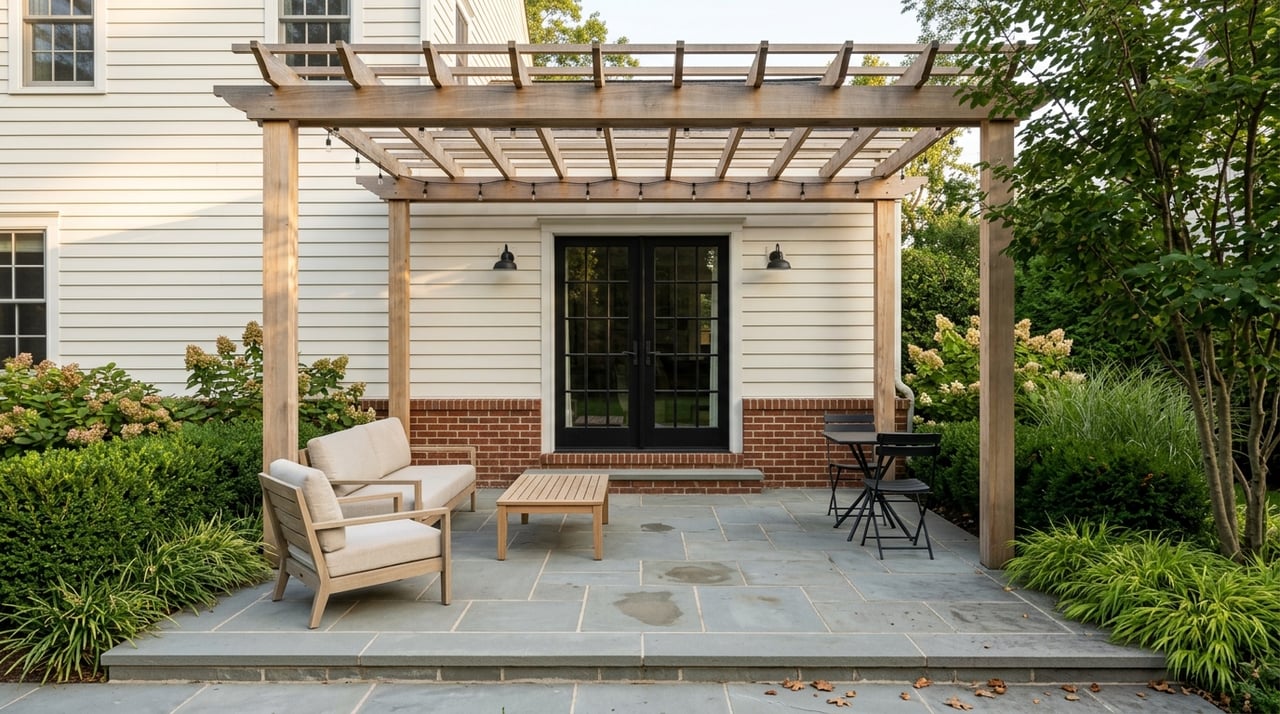
Patios and decks are especially effective in Maplewood because they turn compact backyards into functional destinations. You do not need a large property for an outdoor dining area, a grilling zone, or a comfortable spot to gather with friends.
This is where scale matters. A well-placed patio or deck can make a backyard feel organized and inviting, while an oversized feature can make the lot feel crowded. Maplewood’s planning emphasis on architectural and landscape cohesiveness supports the idea that outdoor improvements should feel like a natural extension of the home.
Several recent listings show how well this can work. The fenced backyard at 22 Princeton Street includes a stone patio, while 21 Evergreen Place pairs an expansive rear patio with a barbecue area. At 542 Prospect Street, the paver patio opens to a level, fully fenced backyard, which creates a strong balance between hardscape and open lawn.
In Maplewood, landscaping often does a lot of the heavy lifting. Layered planting, garden beds, lighting, and low-profile design choices can make a smaller lot feel fuller, softer, and more finished.
This approach fits both the local setting and broader outdoor design trends. Houzz’s 2026 U.S. Outdoor Trends Study found that 49% of renovated outdoor spaces include gardening areas, which lines up well with Maplewood’s longstanding garden culture. The goal is not just decoration. It is creating a space that feels usable and cared for.
For many homes, that may mean adding structure with beds along a fence line, defining a patio edge with planting, or choosing a small ornamental tree that fits the lot. Those moves can help preserve openness while still giving the yard a sense of depth and privacy.
One reason Maplewood outdoor spaces feel appealing is that they tend to prioritize everyday use. They are often designed for sitting, dining, reading, gardening, or talking with neighbors, not just for occasional entertaining.
National trend data supports that idea. Houzz found that 83% of renovated outdoor spaces include a lounge or seating area, 71% include sofas or lounge chairs, and 48% include outdoor cooking areas. Just 15% of renovating homeowners said resale value was their main reason, which suggests that comfort-first design is driving many decisions.
That philosophy makes sense in Maplewood. A porch you actually use, a screened room you enjoy for much of the year, or a patio that fits your table and grill may add more day-to-day value than a more ambitious feature that never feels practical.
Outdoor improvements can support resale, but the strongest story is usually about functionality, upkeep, and fit. Buyers tend to respond well to spaces that feel maintained, useful, and in scale with the home.
The 2023 Remodeling Impact Report offers some helpful context. It found that a new patio was associated with improved functionality and livability, a new wood deck had 89% cost recovery, an overall landscape upgrade recovered 104% of cost, tree care recovered 87%, and irrigation system installation recovered 83%.
That does not mean every project will perform the same way. It does suggest that thoughtful outdoor investments can matter to buyers, especially when they improve how the property lives. In Maplewood, the most compelling updates are often the ones that preserve neighborhood character and feel like they belong to the house.
If you are thinking about outdoor improvements, the best ideas often come back to proportion and continuity. Maplewood’s own planning guidance warns against out-of-scale additions and emphasizes architectural and landscape cohesiveness.
That is why the strongest outdoor spaces here often share a few traits:
You do not need every feature on that list. In many cases, one or two well-executed improvements can make the entire property feel more polished and livable.
Local listings give you a practical way to picture what works. Across recent homes, the repeated themes are easy to spot: porches that invite you to sit, patios that create dining or gathering space, and landscaping that makes even compact lots feel settled.
A few examples stand out:
Taken together, these homes show a consistent Maplewood pattern. Outdoor living here is often about creating a graceful sequence of spaces that feel useful, relaxed, and connected to the house.
If you are buying or selling in Maplewood, paying attention to those details can make a real difference. Buyers often notice when a porch, patio, or yard feels intentional, and sellers can benefit when outdoor spaces photograph and live well. If you want help understanding which features resonate most in today’s local market, Allison Ziefert Real Estate Group is here to help.
Blog
For Northern New Jersey homeowners who want to understand what drives competitive offers, how listing prices influence buyer behavior, and what really determines a suc… Read more
Blog
For homeowners in Maplewood, South Orange, and Northern New Jersey who want to understand their property's value before selling, refinancing, or planning their next mo… Read more
Blog
A step-by-step guide for buyers navigating the post-contract period in Essex, Morris, and Union Counties

Blog
A straight-numbers look for buyers considering a purchase in Maplewood, Montclair, Summit, and surrounding towns — and what the math actually says about timing
Home Selling
A practical guide for buyers and sellers in Maplewood, South Orange, Montclair, Summit, Westfield, Chatham, and nearby Northern New Jersey towns.
We are passionate about researching market stats, negotiating contracts, and helping our clients find and sell homes. The majority of our business comes from past clients and referrals from people who know our work.