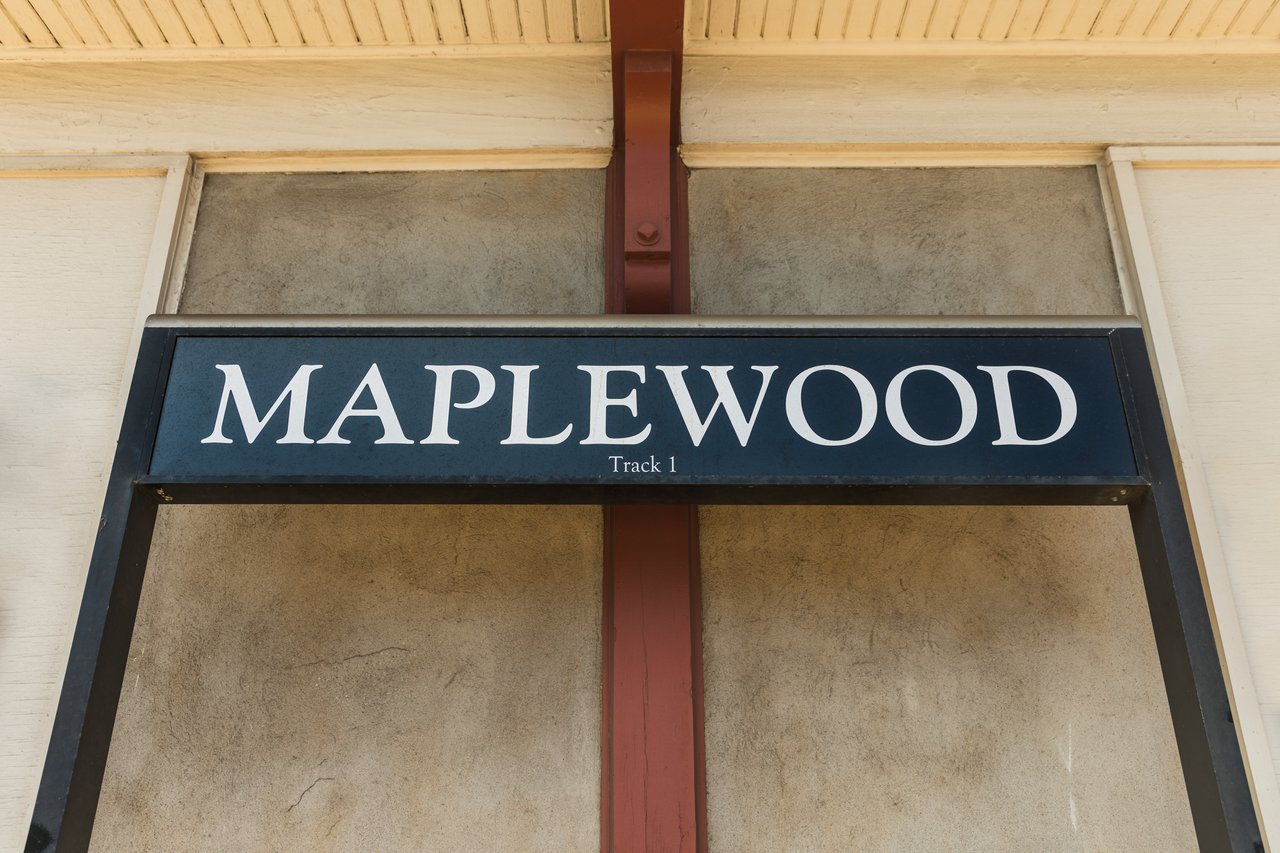
Moving to Maplewood NJ: Your Neighborhood Relocation Guide
January 29, 2026
January 29, 2026
Maplewood, NJ pairs small-town walkability with a lively downtown and straightforward transit into Northern New Jersey and New York City. This guide walks you through neighborhoods, schools, commuting options, costs, and everyday life so you can decide whether moving to Maplewood, NJ matches your needs and budget. Most people weigh school quality, transit times, housing options, and community character when choosing a suburb - here we break each factor down with clear comparisons and local examples. Read on for quick pros and cons, neighborhood snapshots, cost and tax context, school highlights, commute notes, and the things that make Maplewood feel like home. Throughout you’ll find lists and tables for fast scanning, plus tips on where to get neighborhood-specific listings and market insight from a local real estate team. By the end you’ll have a practical sense of which Maplewood pockets suit your family, commute, and lifestyle priorities.
Maplewood mixes cultural amenities, parks, and easy transit, which appeals to a wide range of residents. Trade-offs include higher home prices and occasional parking or inventory challenges. The town’s strengths come from a vibrant village center, regular community events, diverse neighborhoods, and rail and bus connections into the region and NYC. Knowing these trade-offs helps you prioritize - whether walkability and the local scene matter most, or cost and parking will guide your search. Below are quick pros and cons to help you decide if a deeper neighborhood and budget review is worth pursuing.
Maplewood’s top advantages center on its village, parks, and arts scene:
Walkable Downtown: Maplewood Village is full of shops, restaurants, and a pedestrian-friendly vibe that makes errands and social life easy.
Parks and Trails: Memorial Park and nearby South Mountain Reservation provide nearby green space for families, dog-walks, and weekend outings.
Community Events: Regular festivals and markets bring neighbors together and celebrate the town’s diversity.
Those conveniences often push buyers to prioritize proximity to the village and train, which in turn raises demand and prices.
Common challenges for residents and newcomers include cost and logistics:
Higher Housing Costs: Homes close to the village and station frequently command premiums and inventory can be tight.
Property Taxes and Budgeting: Property tax is a significant part of homeownership costs here; budgeting carefully is important.
Parking and Seasonal Crowds: On-street parking near downtown is limited at times, and events can make neighborhoods busier than usual.
Understanding these realities helps you shape a buying or renting plan - the neighborhood breakdown that follows shows how to translate priorities into specific blocks and property types.
Maplewood’s appeal comes from a human-scale downtown, a steady stream of community programming, and quick access to green space - together they create a compelling everyday experience. Maplewood Village anchors the town with independent shops, restaurants, and cafés that make errands and weekend strolls pleasant, while Memorial Park hosts family-friendly events and recreational amenities. South Mountain Reservation is close enough for longer hikes and nature time, offering a real balance between town convenience and outdoor escape. Those features combine into a culturally active, diverse community that draws people who want suburban calm without losing social life.
The town’s calendar of events and civic life helps knit neighbors together. Frequent markets, festivals, and arts performances bring in visitors from nearby towns and support local businesses, while community organizations run regular workshops and shows. That civic energy makes it easy for newcomers to get plugged in quickly - and it frames the practical choices you’ll make about where to live and how to commute.
Before you move, consider housing affordability, market competition, and everyday logistics like parking and limited listings near the village core. Pricing pressure is common for homes within walking distance of the station and Maplewood Village, and during peak seasons buyers may have less negotiating room. Parking around downtown and station areas can be tight, which matters for households with multiple drivers or regular guests. Spotting these constraints early lets you prioritize must-haves - a garage, off-street parking, or willingness to walk a few extra minutes to the train - and map financing and contingency plans accordingly.
Practical mitigations include widening your neighborhood search and partnering with local market experts who track new listings and timing. Casting a slightly wider net to nearby blocks or adjacent towns often yields better value while keeping access to good schools and transit. Those approaches help you identify neighborhoods that match family needs and commute priorities, which we cover next.
Maplewood’s neighborhoods run from the lively Village near the train to quieter residential streets with yards and strong school access. Choosing the right area depends on your lifestyle, school priorities, and commute tolerance. The main trade-off is short walks to Maplewood Village and the station versus tree-lined blocks a bit farther out that offer more space and quieter streets. This section sketches neighborhood personalities and ties them to common buyer profiles so you can quickly see where to focus your search. After the profiles we note how a local agent can surface neighborhood-specific listings and guided tours.
Maplewood Village is the town’s commercial and social heart - restaurants, independent shops, and a lively streetscape that suits people who value walkability and quick access to events. Nearby housing ranges from Victorian single-family homes to rowhouses and condos, and properties closest to the village usually carry a premium. A few blocks farther out you’ll find quieter, tree-lined streets with single-family yards and family-friendly amenities. That means buyers who want short walks to shops and transit often trade off yard size or pay more, while families seeking more space tend to look a bit farther from the core.
These neighborhood differences affect school and commute choices, so weigh proximity to parks and safe walking routes when evaluating streets. Noticing how housing styles, lot sizes, and commercial access change block by block will help you narrow your shortlist, and a local agent can speed that process with on-the-ground knowledge.
Families usually focus on school access, safe sidewalks, parks, and larger yards; commuters often prioritize a short walk to the station and parking options. Family-oriented blocks around Memorial Park and on quieter residential streets offer playgrounds, sidewalks, and larger homes suitable for kids. Commuters often target locations within a 10–15 minute walk of the train or streets with easy driving access to park-and-ride options to cut door-to-door time. Many buyers strike a balance: a short drive to the station while keeping family-friendly amenities nearby, depending on whether school proximity or commute time is the top priority.
To make choices easier, build a ranked checklist - schools, commute, yard, walkability - and score neighborhoods against it to reveal clear trade-offs. The next section explains the cost implications tied to those neighborhood priorities, including typical housing and tax considerations.
Maplewood’s cost of living reflects its desirability: housing and property taxes drive the biggest differences, while utilities, childcare, and groceries follow typical Northern New Jersey patterns. For movers, housing type and distance from Maplewood Village heavily influence price expectations and monthly carrying costs. The comparison below focuses on housing types and tax considerations so you can budget realistically before writing offers. After the table we cover other regular expenses and ways to manage higher costs.
Prices in Maplewood vary by housing type - single-family homes, townhouses, and condos - with properties closest to the village generally costing more than those farther out. The table below summarizes common price ranges by type and highlights how property taxes typically factor into monthly budgets.
Different housing choices produce different budget outcomes:
|
Housing Type |
Typical Median Price Range |
Typical Property Tax Note |
|
Single-family homes |
Moderate to higher range depending on lot and proximity to village |
Property taxes are a significant annual expense and depend on assessed value |
|
Townhouses |
Mid-range, often lower upkeep than a single-family home |
Taxes reflect shared structure value; HOA fees affect total monthly cost |
|
Condominiums |
Lower entry price near village or transit, with HOA dues |
Smaller tax bills per unit but HOA dues cover maintenance and amenities |
Buyers balancing price and commute frequently choose townhouses or condos near transit to shorten daily travel while managing costs. For a tailored budget and competitive offer strategy, the Allison Ziefert Real Estate Group can provide current market reports and home valuations that translate these ranges into concrete numbers.
Beyond mortgage and taxes, utilities, groceries, childcare, and transportation affect take-home affordability and should be built into monthly planning. Utilities tend to be higher for larger single-family homes than for condos. Childcare and private-school tuition can be large, sometimes dominant, line items for families and may influence whether you rent or buy close to preferred schools. Transportation costs vary by commute mode - living within walking distance of the train can cut driving and parking expenses.
Ways to manage costs include choosing energy-efficient homes, prioritizing modern insulation and systems, and comparing multi-year homeownership costs versus renting. Those practical steps help keep lifestyle choices sustainable and lead naturally into school factors that often drive neighborhood demand.
Maplewood is part of a regional public district with notable programs and several private or specialized options nearby, so school quality is a top concern for many relocating families. The South Orange-Maplewood School District shapes neighborhood demand, and specific schools or programs can draw buyers to certain blocks. Below is a compact table summarizing key schools and programs to give parents a quick reference when evaluating enrollment and neighborhood choice. After the table we explain how district performance typically affects real estate decisions.
The South Orange-Maplewood School District offers a range of academics and extracurriculars that contribute to neighborhood desirability. Programs in the arts, AP coursework, and college prep attract families who prioritize education, and those strengths often translate into sustained demand for homes in preferred attendance areas. Parents usually weigh school programming alongside commute and housing trade-offs when choosing where to search. Knowing the district’s programmatic highlights helps buyers match homes to long-term family goals and neighborhood stability.
|
School Name |
Grade Levels |
Notable Attributes/Programs |
|
Columbia High School |
9–12 |
Offers advanced coursework and extracurriculars that attract families |
|
Local Elementary Schools |
K–5 (varies by school) |
Community-focused programs and neighborhood ties encourage walkable school routes |
|
Middle Schools |
6–8 (varies) |
Transitional programs and clear feeder patterns that influence planning |
These school-level differences shape where families search for homes, which is why aligning school priorities with neighborhood selection is a key step in relocation planning.
Families can choose public schools in the regional district or several nearby private and charter options - each comes with different curricula, admissions processes, and cost considerations. Public schools assign by neighborhood and offer a range of programs; private or specialized schools may require separate applications and tuition that affect household budgets. When evaluating options, consider grade-level fit, program strengths (arts, STEM, AP), and logistics like safe walking routes and bus service. Researching enrollment timelines and program details early helps you identify which neighborhoods best support your children’s educational path.
A practical approach is to shortlist neighborhoods that align with your preferred schools, then visit schools and nearby streets at different times of day to assess routes and commute feasibility. With that local context, you can move on to commute planning, which is central for many relocating households.
Maplewood is well positioned as a commuter-friendly suburb with multiple transit choices to New York City - a major draw for buyers who work in the city or use its services. Options include regional rail, buses, and driving routes; trains are often the most reliable option for daily commuters. The transit table below lists typical options, durations, and frequency notes so you can estimate door-to-door travel time. After the table we share practical tips on parking, schedules, and property features that reduce commute friction.
Commuters can choose NJ Transit trains, regional buses, local shuttles, or driving, and each mode has trade-offs in speed, frequency, and convenience. NJ Transit trains offer direct regional connections that many commuters prefer for predictability and comfort; buses and shuttles are alternatives that can be useful for routes not served by rail but are more traffic-dependent. Driving gives flexibility but is subject to peak congestion and parking constraints, especially in Manhattan. Weigh frequency, reliability, and door-to-door time when choosing a home to minimize daily stress.
|
Transit Option |
Typical Duration (one-way) |
Frequency / Notes |
|
NJ Transit Train |
About 30–45 minutes depending on express vs. local |
Regular weekday service with peak-period trains; station proximity affects total travel time |
|
Regional Bus |
Variable, often longer than train |
Good for routes not served by rail; subject to traffic delays |
|
Driving |
Highly variable |
Flexible but depends on highway traffic and parking costs |
Commute time depends on mode and schedule: express trains give the fastest one-seat rides, local trains and buses add time, and driving varies with traffic and parking. For many residents, total door-to-door commute includes walking to the station or parking time, so living within easy walking distance to the train can meaningfully cut daily minutes. Peak-hour trains are faster but busier, so weigh comfort versus travel time when picking a neighborhood. Early consideration of these factors helps you prioritize areas that match your tolerance for commute length and convenience.
To streamline your move, many buyers work with local agents who flag commute-friendly listings and schedule viewings around commuter hours. The Allison Ziefert Real Estate Group regularly identifies properties that balance transit access with neighborhood fit and can arrange visits that suit working schedules.
Maplewood’s lifestyle attracts people who value local dining, active arts participation, parks, and recurring community events - a mix that supports both social life and family routines. From seasonal festivals to farmers markets and park programming, the town offers regular activities that help newcomers meet neighbors and feel at home. The sections below list popular things to do and explain how community culture shapes daily life, closing with how to connect with local experts for tailored tours and current listings. These lifestyle perks are a major reason many pick Maplewood over other Northern New Jersey towns.
Explore Maplewood Village shops and restaurants: A varied dining and retail scene makes for pleasant strolls and easy errands.
Attend Memorial Park events: Sports, picnics, and seasonal programming bring neighbors together.
Hike South Mountain Reservation trails: Nearby woodlands offer longer outdoor escapes and trail options for runners and hikers.
Join local arts and music events: Community theaters and performances provide regular creative outlets.
Shop farmers markets and festivals: Regular markets and seasonal fairs create social hubs and support small businesses.
Maplewood’s community culture values participation, diversity, and neighborhood initiatives that make it straightforward for newcomers to get involved. Civic groups, arts organizations, and business associations offer many ways to contribute and connect, strengthening local ties and supporting independent businesses. New residents often find that joining one recurring activity - a market, park program, or volunteer group - quickly builds social networks and practical neighborhood knowledge. If you’re actively house-hunting, a neighborhood orientation from a local team can accelerate that process and help you feel settled sooner.
If you’d like tailored neighborhood tours, school-area orientation, or up-to-date Maplewood listings, the Allison Ziefert Real Estate Group - a local team serving Northern New Jersey - offers personalized support to explore options, explain market dynamics, and schedule visits that fit your calendar. Agents can set up neighborhood-specific tours and provide timely market reports to guide offers and timing.
The typical commute from Maplewood to New York City ranges from about 30 to 45 minutes by NJ Transit train, depending on whether you catch an express or local. Regional buses are an option but usually take longer because of traffic. Remember to factor in walking or driving time to the station - living close to the train can cut your total door-to-door commute significantly.
Yes - Maplewood hosts many events year-round that highlight the town’s cultural diversity and community spirit. Popular gatherings include seasonal festivals, farmers markets, and outdoor concerts at Memorial Park. These events are great ways to meet neighbors and discover local shops and organizations.
Maplewood offers a mix of single-family homes, townhouses, and condominiums. Properties closest to Maplewood Village and the train tend to cost more, while homes farther out typically offer larger yards and quieter streets at lower prices. Each housing type has trade-offs in price, maintenance, and commute time, so match options to your priorities.
Property taxes in Maplewood are generally higher than the national average, reflecting the town’s amenities and school funding. The South Orange-Maplewood School District is a key component of local tax rates, so include taxes in your overall housing budget - they can significantly affect monthly costs.
Recreation in Maplewood includes Memorial Park’s sports fields, playgrounds, and picnic spaces, plus the trail network of South Mountain Reservation for hiking and nature time. Community programs and local leagues add options for organized activities, keeping residents active and engaged.
Newcomers can jump in by attending local events, joining civic groups, or volunteering with neighborhood initiatives. Farmers markets, arts programs, and community organizations are easy entry points to build connections. Local real estate agents also often provide orientation tours that introduce newcomers to schools, services, and social groups.
Look for homes using local real estate websites, community listings, and the expertise of area agents. The Allison Ziefert Real Estate Group, for example, offers neighborhood tours, market insight, and personalized support to help buyers navigate a competitive market. Visiting open houses and walking different neighborhoods will also give you valuable context.
Moving to Maplewood, NJ offers a balance of community life, convenient commuting, and diverse housing options that suit many lifestyles. Knowing the local schools, costs, and neighborhood dynamics will help you make a confident choice that fits your priorities. Use local resources and an experienced agent to find homes that meet your needs, and you’ll be ready to start your life in Maplewood. Begin your search with a clear list of priorities and a local guide who can turn those preferences into the right neighborhood and home.
Blog
For Northern New Jersey homeowners who want to understand what drives competitive offers, how listing prices influence buyer behavior, and what really determines a suc… Read more
Blog
For homeowners in Maplewood, South Orange, and Northern New Jersey who want to understand their property's value before selling, refinancing, or planning their next mo… Read more
Blog
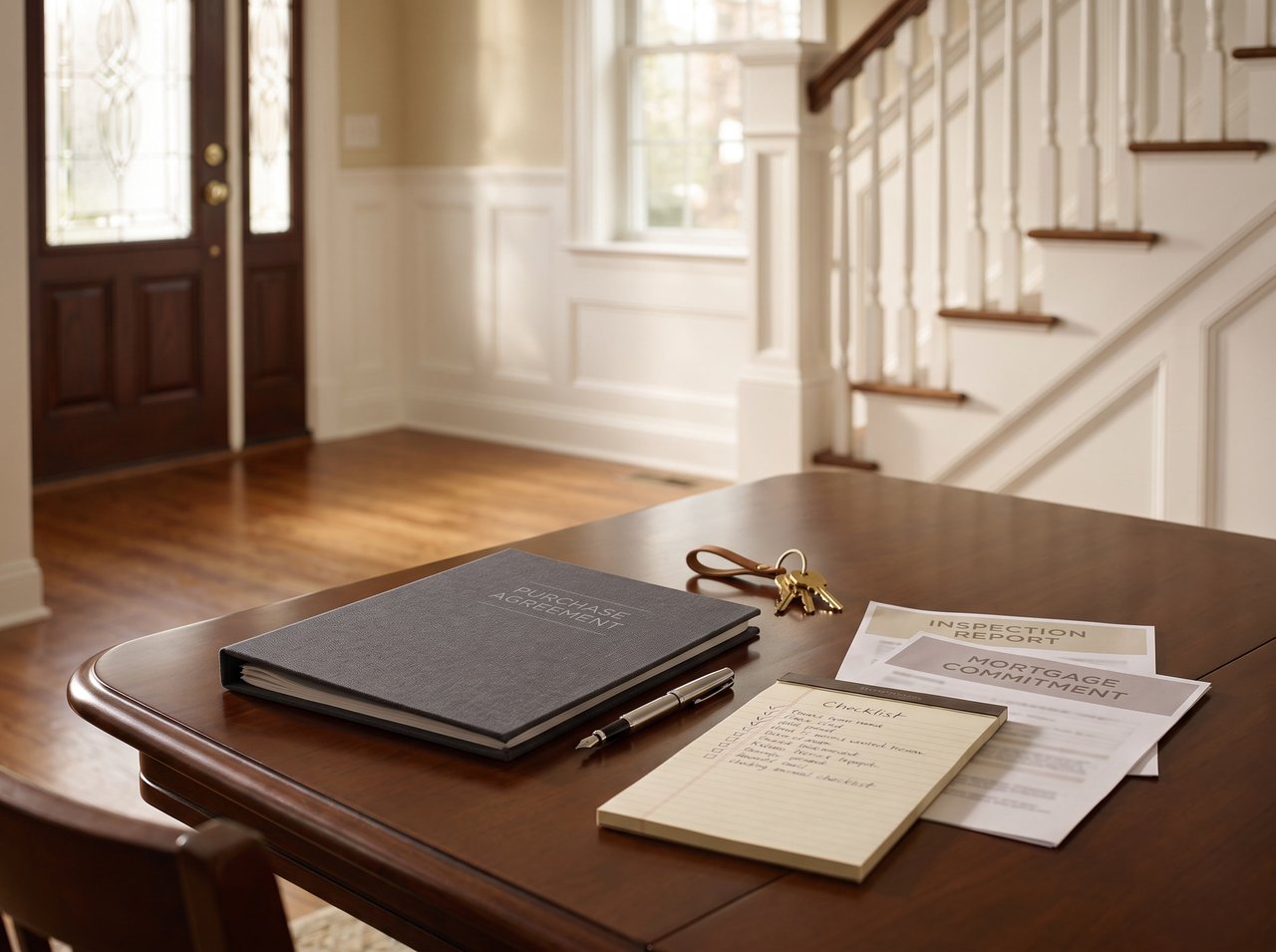
A step-by-step guide for buyers navigating the post-contract period in Essex, Morris, and Union Counties

Blog
A straight-numbers look for buyers considering a purchase in Maplewood, Montclair, Summit, and surrounding towns — and what the math actually says about timing
Home Selling
A practical guide for buyers and sellers in Maplewood, South Orange, Montclair, Summit, Westfield, Chatham, and nearby Northern New Jersey towns.
We are passionate about researching market stats, negotiating contracts, and helping our clients find and sell homes. The majority of our business comes from past clients and referrals from people who know our work.