Architectural Charm And Home Styles In Maplewood
March 5, 2026
March 5, 2026
If you love tree-lined streets, handcrafted details, and homes with real personality, Maplewood will feel like a dream. Many houses here were built during the late 1800s through the 1930s, so you see rich materials and timeless design at every turn. In this guide, you’ll learn how to spot Maplewood’s most loved home styles, what to consider for maintenance and upgrades, and where to look as you explore. Let’s dive in.
Maplewood’s neighborhoods showcase a mix of Queen Anne, Colonial Revival, Tudor Revival, Four-Square, and Craftsman homes that define the town’s aesthetic. Civic landmarks like Memorial Park, the Municipal Building, and Columbia High School echo this classic style and create a cohesive look across town. To get a feel for these styles and their features, start with the Maplewood Historic Preservation Commission’s overview of architectural styles in Maplewood.
Maplewood Village, the downtown corridor and nearby blocks, was listed on the New Jersey and National Registers of Historic Places in 2022. This recognition highlights the area’s early 20th century character and may open the door to certain incentives for qualified projects. As local reporting on the listing notes, the designation raises the Village’s profile without automatically imposing restrictions on private owners.
You’ll recognize Queen Anne and Victorian homes by their asymmetrical facades, towers or turrets, decorative brackets, and textured shingles. Inside, look for original moldings, multiple parlors, and built-ins. Early examples appear in turn-of-the-century tracts, including College Hill. The Durand‑Hedden House museum and local library have helpful neighborhood histories if you want to dig into local development patterns and early house types. Explore their Maplewood history resources.
Maintenance notes: Expect regular paint cycles on wood siding, porch and trim repair, and attention to rot at sills and eaves. Tall original windows are common and can often be repaired rather than replaced. Renovation potential is strong, with attic or third-floor spaces ripe for bedroom or bath expansions. Many buyers love the generous public rooms and standout curb appeal.
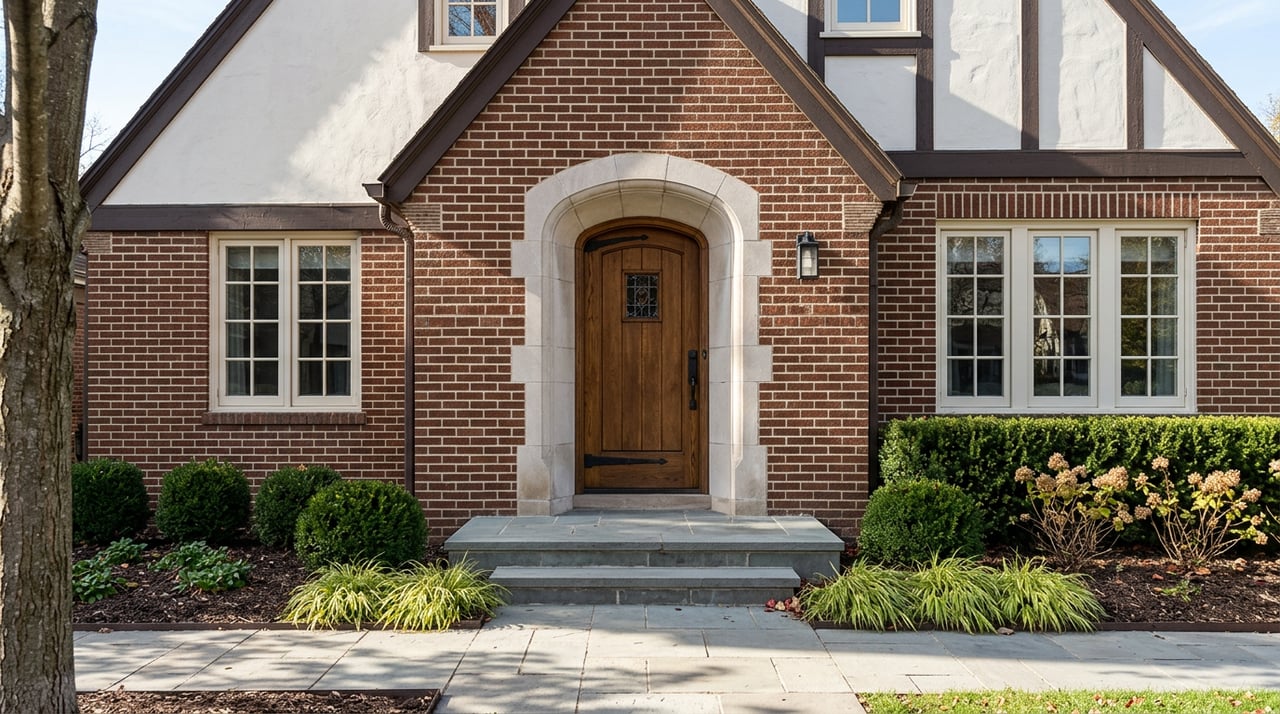
Tudors feature steep roofs, half-timbering with stucco, tall brick or stone chimneys, and small-paned casement windows. Interiors may include beamed ceilings and leaded glass. You’ll find many on hillier streets, often sited into wooded lots for a storybook feel.
Maintenance notes: Focus on proper stucco and half-timber junctions, flashing, and chimney or stonework. Some Tudors retain slate roofs that require specialized care. Renovations often center on kitchens and baths that respect the original wood and masonry details.
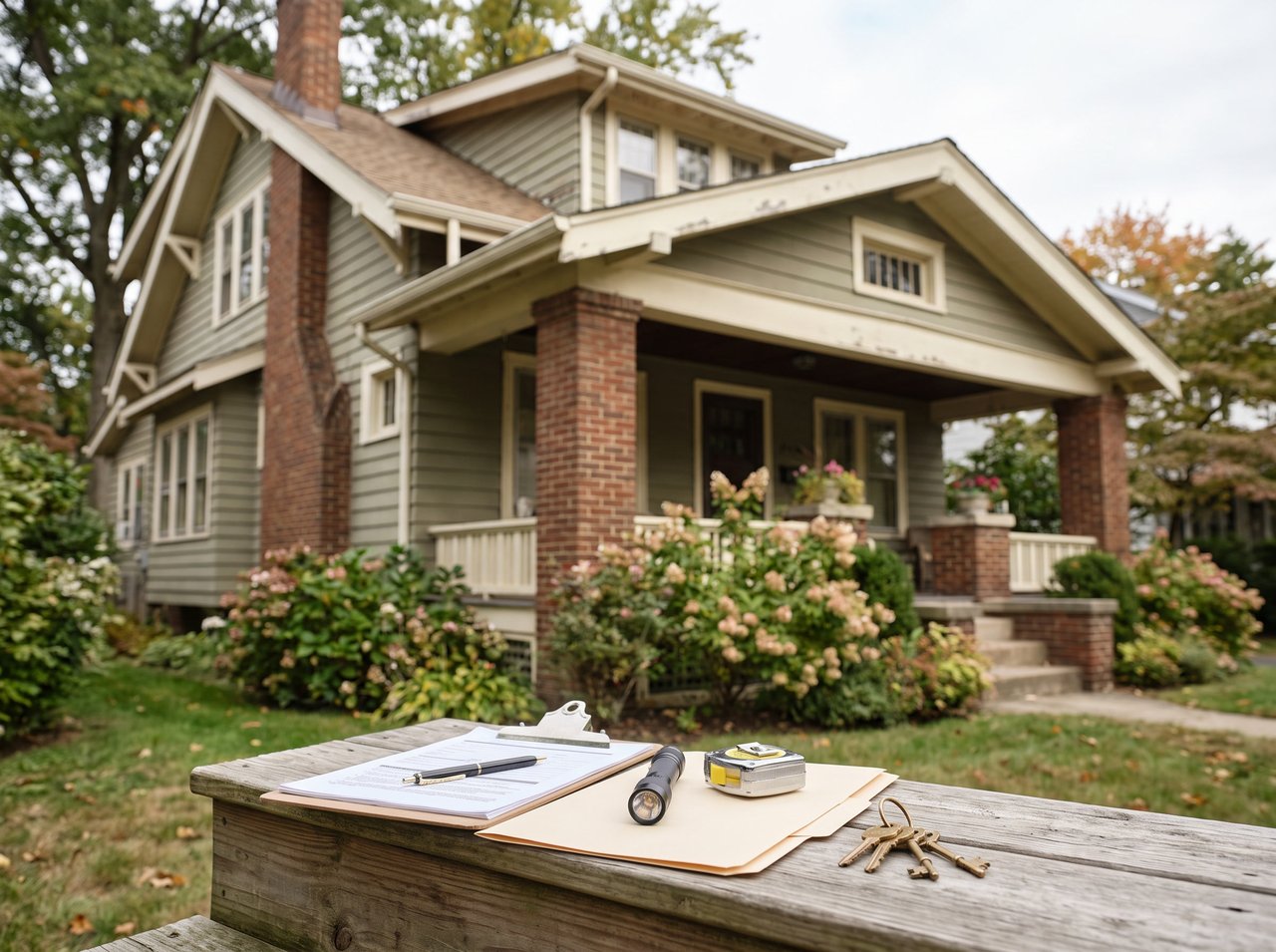
Craftsman homes tend to have low-pitched roofs, broad porches with tapered or stone piers, exposed rafter tails, and rich natural materials. Inside, built-ins add warmth and function. Influences from the Arts and Crafts movement, including Gustav Stickley, can be seen in Maplewood’s examples.
Maintenance notes: Keep up with porch foundations and columns, roof flashing, and wood siding care. These homes are efficient and well-scaled for modern life. Renovation potential is high, especially with thoughtful kitchen updates or attic dormers to add usable space.
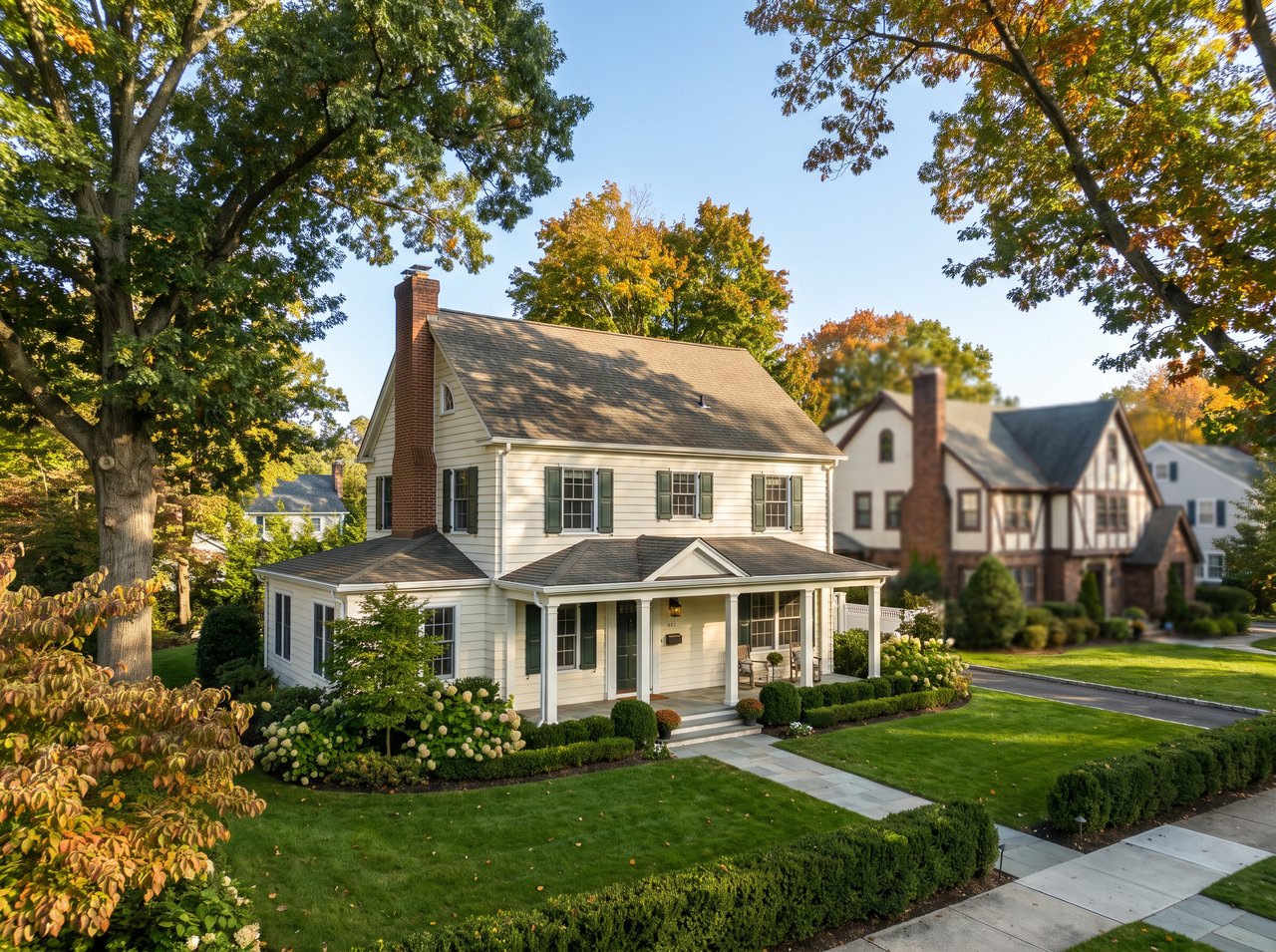
Colonial Revivals often show a symmetrical facade with a centered entry and classical trim. Four-Squares read as a simple cube with a full-width porch and large dormers. Maplewood saw a major suburban building boom in the 1920s, so you will see many of these forms across town.
Maintenance notes: These straightforward volumes can adapt well to today’s floor plans. Many owners open up the rear of the home for a larger kitchen and family space, add a powder room or bath, and improve insulation. The clean lines and balanced proportions have long-term appeal.
Thoughtful care will preserve character while keeping your home comfortable and efficient. Authoritative guidance from the National Park Service covers windows, masonry, roofing, and energy upgrades in historic buildings. Start with the NPS overview of preservation topics and briefs.
Original wood windows define the look of Maplewood’s homes. In many cases, repair plus retrofit is the smarter choice. Weather-stripping, exterior or interior storms, and sash repairs can boost comfort and efficiency while preserving historic fabric. The National Trust’s Preservation Green Lab summarizes this approach in its research on retrofitting historic windows.
Most Maplewood homes predate 1978, so assume there may be lead-based paint. Any renovation that disturbs painted surfaces must follow EPA lead-safe work practices. Hire contractors with current EPA RRP certification and include lead-safety language in your agreements. Learn more about EPA RRP certification.
Early 20th century homes may have knob-and-tube or undersized wiring. These systems lack grounding and can create insurance and safety issues. Schedule a licensed electrician for a full evaluation and plan for targeted or full rewiring if needed. Get background from the Electrical Safety Foundation International on understanding your home’s electrical system.
Slate roofs, tall chimneys, brick fronts, and stucco exteriors are character features that need specialized care. Avoid aggressive cleaning or hard, cement-rich mortars on older brick. Proper flashing and compatible repointing usually prevent recurring leaks and damage. The NPS briefs offer best practices for roofing, masonry, and stucco repairs.
Aim for a package of improvements that respects original materials. Air sealing, attic insulation, efficient heating systems, and window retrofits often deliver the best results together. Be cautious with wall cavity insulation or non-breathable coatings on masonry, which can trap moisture and cause damage. The NPS has solid guidance on energy and sustainability for historic buildings in the same preservation topics resource.
If you find a character home you love, get a thorough home inspection and secure dated estimates from qualified contractors before you make an offer. For pre‑1978 homes, confirm your contractor follows EPA lead-safe practices under the RRP rule. For permits or questions about local reviews, check the Township’s Resident resources. If a property is in or near Maplewood Village, review the Maplewood Historic Preservation Commission’s Village Center listing FAQ to understand how National and State Register listings function locally.
You deserve a team that understands Maplewood’s architecture and how to position it in today’s market. Our boutique approach pairs neighborhood-first expertise with professional storytelling, photography, and Compass tools that elevate your listing or help you buy with confidence. We advise on smart prep, connect you with vetted local pros, and negotiate with data-backed strategy so you can move forward with clarity.
Ready to explore Maplewood’s charm or list your historic-style home with care Contact the Allison Ziefert Real Estate Group for a free local market consultation.
Blog
For Northern New Jersey homeowners who want to understand what drives competitive offers, how listing prices influence buyer behavior, and what really determines a suc… Read more
Blog
For homeowners in Maplewood, South Orange, and Northern New Jersey who want to understand their property's value before selling, refinancing, or planning their next mo… Read more
Blog
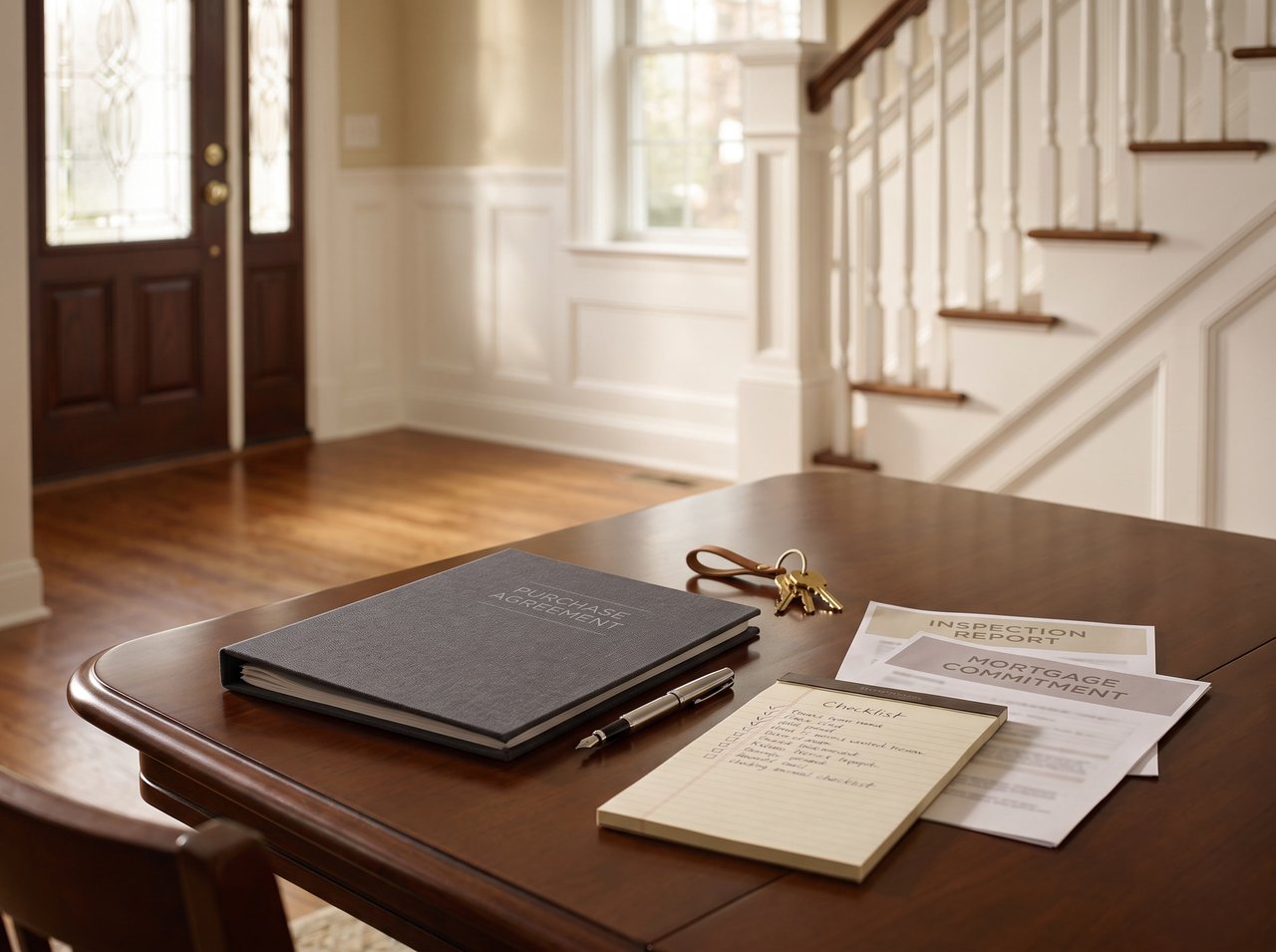
A step-by-step guide for buyers navigating the post-contract period in Essex, Morris, and Union Counties

Blog
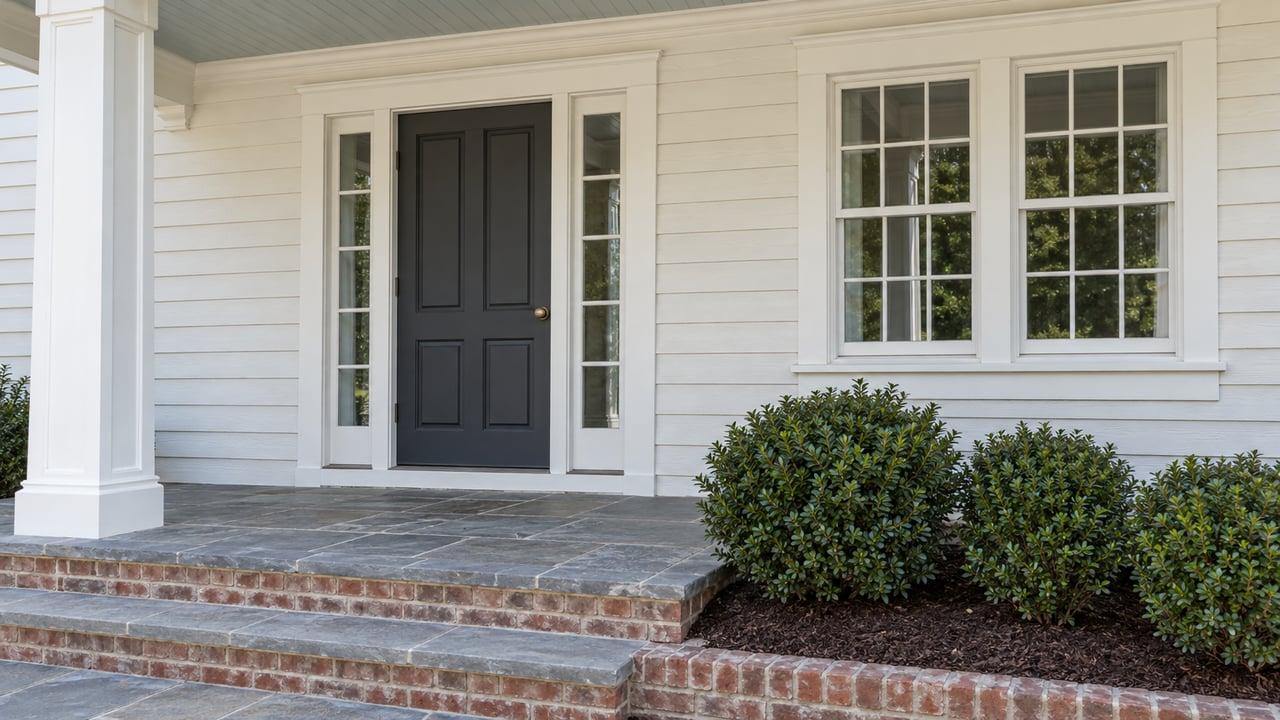
A straight-numbers look for buyers considering a purchase in Maplewood, Montclair, Summit, and surrounding towns — and what the math actually says about timing
Home Selling
A practical guide for buyers and sellers in Maplewood, South Orange, Montclair, Summit, Westfield, Chatham, and nearby Northern New Jersey towns.
We are passionate about researching market stats, negotiating contracts, and helping our clients find and sell homes. The majority of our business comes from past clients and referrals from people who know our work.