Leave a Message

Thank you for your message. We will be in touch with you shortly.

Millburn NJ Home Styles From Capes To Colonials

February 19, 2026

From cozy Capes to stately Colonials, Millburn and Short Hills offer a classic mix of homes that often look similar at first glance. If you are comparing listings, you might be asking which style fits your lifestyle, how each one renovates, and what to expect at resale. In this guide, you will learn how to spot the most common local styles, what upgrades are realistic, and the rules that can affect your plans. Let’s dive in.

Millburn home styles at a glance

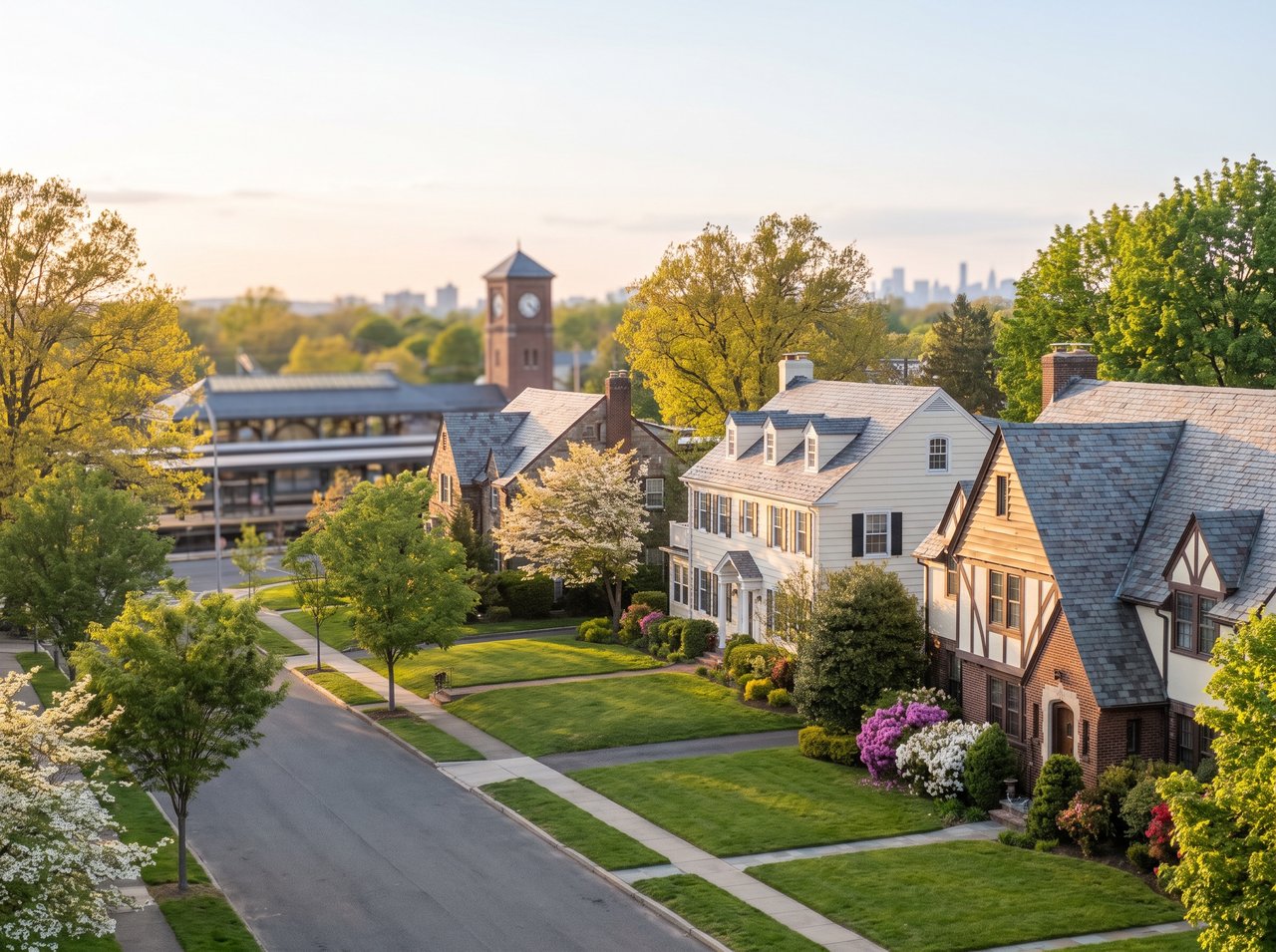
Millburn Township includes the unincorporated community of Short Hills, a planned commuter suburb with notable historic neighborhoods and architect-designed homes. The Short Hills Park Historic District is a good example of the township’s early housing stock and architectural heritage, with many late 19th and early 20th century houses that still define the area’s character. You can explore that architectural context in the National Register nomination for the Short Hills Park Historic District.

Most homes you will see in Millburn and Short Hills are single-family, and many were built before the late 20th century. That age mix is why you will find a broad range of styles and a wide spread in interior layouts and systems. As you compare options, style will hint at the likely floor plan, the ease of adding space, and which building systems may need attention.

Colonials: symmetry, space, and strong resale

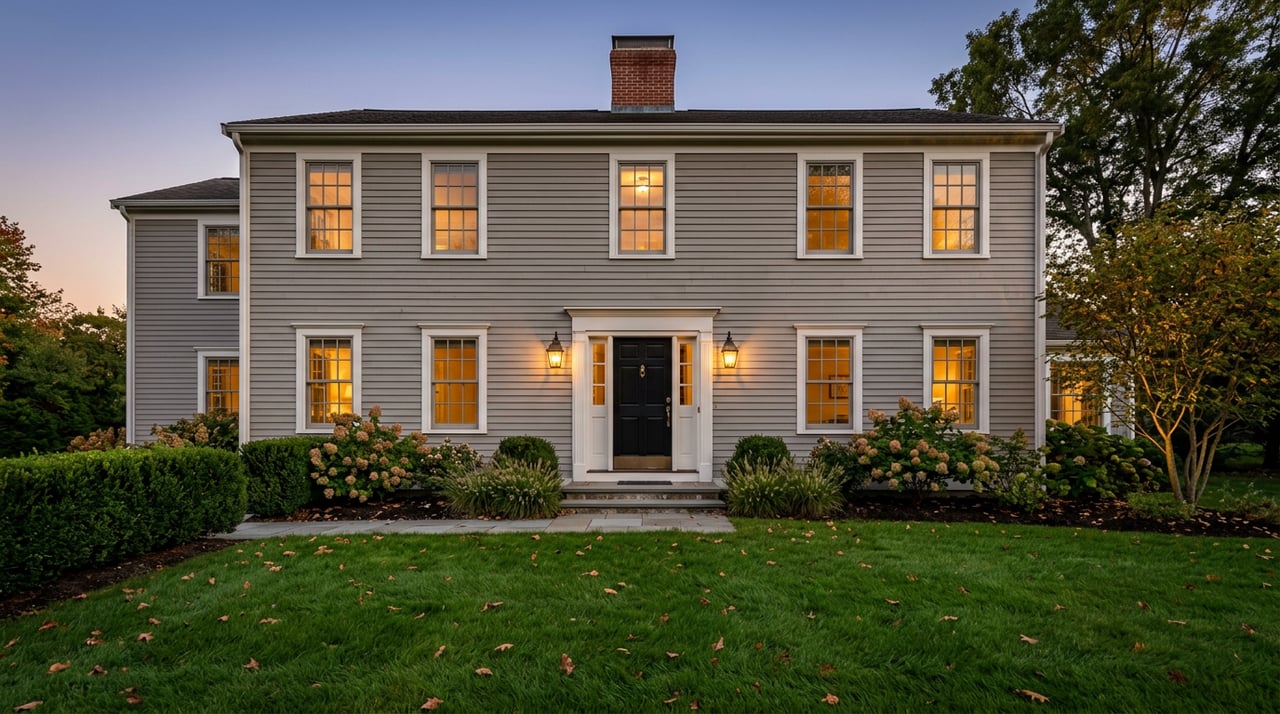
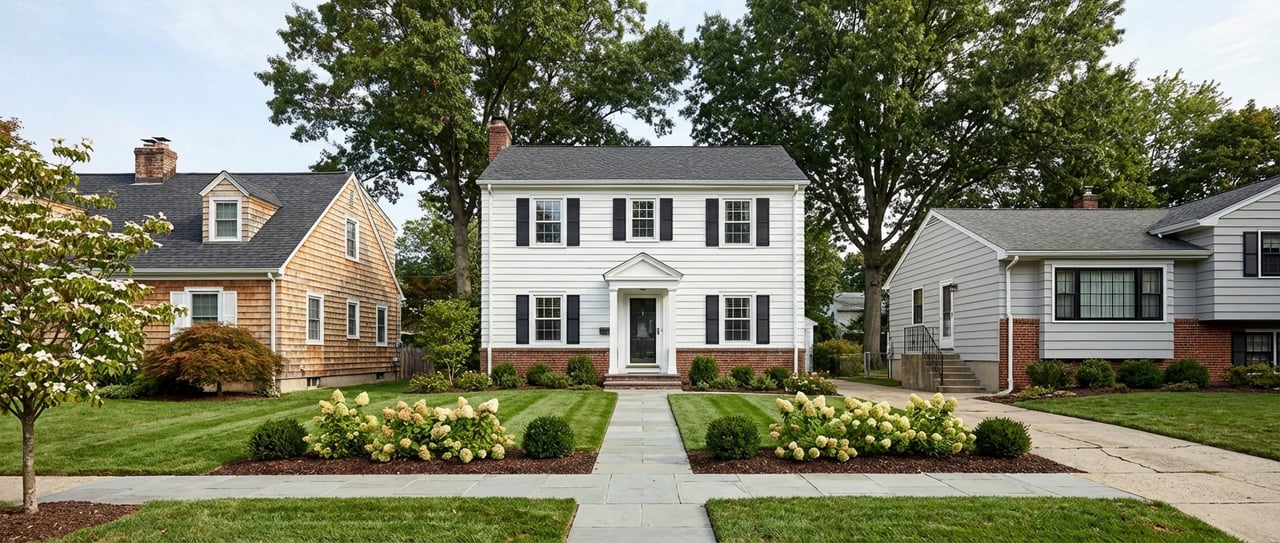
Colonial and Colonial Revival homes are among Millburn’s most common listings. They are easy to recognize: a symmetrical front, a centered entry, double-hung windows, and two full stories that live efficiently for today’s needs. For a visual ID refresher, the Heritage Home Program’s style guide outlines classic Colonial and Colonial Revival features.

What you will love:

  • Two full stories make bedroom and bath layouts straightforward.
  • Central halls and formal dining rooms suit both everyday living and entertaining.
  • Rear additions and finished basements often blend in well.

Renovation notes:

  • Colonials are friendly to expansion. Rear kitchen-family room additions are common and can preserve the original facade.
  • If the home sits in or near a locally regulated historic area, exterior changes can need review. Millburn’s Historic Preservation Commission offers guidance on what triggers approvals.
  • Always confirm what is allowed on the lot. Setbacks, height, and lot coverage in Millburn’s zoning code can shape the size and placement of additions. You can look up district standards in the township zoning code.

Resale perspective: Buyers tend to respond well to Colonials because they offer flexible layouts and timeless curb appeal. Smart, period-sensitive updates often pay off, especially kitchens, baths, and basement finishes.

Capes: compact charm with dormer potential

Capes are 1 to 1.5 story cottages with steep gabled roofs and dormers. They were popular in the 1920s through the 1950s and appear throughout Millburn. Photos often show a modest footprint, dormers up top, and clapboard or shingle siding. For a quick style primer, see This Old House’s overview of Cape characteristics and dormer ideas.

What you will love:

  • Manageable size for first-time buyers or downsizers.
  • Warm, cottage feel and efficient rooms.
  • Opportunity to finish the upper level.

Renovation notes:

  • Many owners add shed or doghouse dormers to capture a true second-floor bedroom suite. Rear additions can also expand kitchen and family space.
  • Before planning a dormer or second-floor build-out, confirm setbacks and lot coverage. Millburn’s zoning code controls roofline changes and addition size.
  • Older Capes can carry age-related systems. See the checklist below for what to budget.

Resale perspective: A well-dormered Cape with an updated kitchen and baths competes strongly in Millburn. Buyers value the blend of character and new functionality when the work is done thoughtfully.

Split levels: mid-century space with modern updates

Split-level homes rose in the postwar years as a practical way to separate living zones with short flights of stairs. You will often see an entry landing, half flights up to bedrooms and down to a family room, and a garage tucked under living space. Better Homes & Gardens explains how split-level layouts work.

What you will love:

  • Distinct spaces for quiet and activity without a huge footprint.
  • Natural separation of bedrooms and living areas.
  • Often strong neighborhood locations with mature trees.

Renovation notes:

  • Opening walls and joining levels is possible, but multiple rooflines and staggered floors add complexity and cost.
  • Kitchen expansions and family room updates yield the biggest impact. Mechanical routing can be more involved than in a Colonial.

Resale perspective: Updated split levels can perform well, especially when they deliver an open-feel kitchen and refreshed baths. Plan a realistic budget for structure and systems to reach top-of-market presentation.

Tudor, Shingle, and Victorian revivals: historic character

Short Hills, especially near the Short Hills Park Historic District, features a striking collection of late 19th and early 20th century revival styles, including Tudor Revival, Shingle Style, and Queen Anne. These homes often sit on larger lots and carry rich architectural detail. The National Register file for the Short Hills Park Historic District provides helpful context.

What you will love:

  • Distinctive facades, woodwork, and masonry.
  • Generous lots and mature landscapes.
  • Grand room scales that lend themselves to luxury updates.

Renovation notes:

  • Exterior changes and demolitions may require Historic Preservation Commission review. Start early with the HPC resources to understand process and timelines.
  • Sensitive restoration paired with modern systems is the winning formula.

Resale perspective: Architectural pedigree and location can command premium prices. Buyers expect high-quality, period-appropriate finishes paired with modern comfort.

Newer construction and full renovations

You will also find newly built homes and full-gut renovations across Millburn and Short Hills. These properties typically offer open floor plans, large kitchen-family spaces, mudrooms, attached garages, and modern HVAC and insulation. Location, lot size, and execution quality drive results. When a newer home is on a prime street near parks or the train, buyer demand is strong.

Renovation rules to know in Millburn

Zoning basics

Millburn divides single-family areas into districts with specific lot sizes, setbacks, and lot coverage limits. These rules guide the size and placement of additions or dormers, and they vary by neighborhood. Before drawing plans, confirm standards in the township zoning code.

Historic preservation review

If a property sits within a locally regulated historic district, exterior changes can require review and approval. Interiors are often not regulated, but always verify current rules. The Historic Preservation Commission page outlines application steps and meeting schedules.

Permits and records

Open permits, prior work without permits, and missing finals can delay closings and add costs. Before you buy, request the permit history and confirm that major renovations were inspected and closed. The township’s Planning Board hub links to planning, building, and permit resources.

Age-related systems to budget for

Most older homes need periodic system upgrades. As you tour, read disclosures, and review inspection reports, pay attention to the following:

  • Lead-based paint: Homes built before 1978 fall under federal disclosure rules. The EPA’s guidance on lead safety explains risks and safe renovation practices. Use certified contractors for any work that disturbs painted surfaces.
  • Electrical: Knob-and-tube wiring and undersized service panels can appear in older houses. Many insurers and buyers expect rewiring and panel upgrades. See InspectApedia’s overview of old house wiring considerations.
  • Plumbing and mechanicals: Galvanized supply lines, cast-iron drains, older boilers, and legacy oil tanks may require repair or replacement. Budget with your inspector and contractor.

How style can influence resale

Across Millburn and Short Hills, the strongest resale drivers are location, lot size, and condition. Style matters because it hints at layout and expansion potential. Here is how that plays out:

  • Colonials: Flexible two-story footprints and classic curb appeal help them market well, especially with updated kitchens, baths, and basements.
  • Capes: Dormered second floors and expanded kitchens raise livability and value. Buyers respond to tasteful blends of old and new.
  • Split levels: Success comes from smart reconfiguration that improves flow and brings finishes to a consistent standard.
  • Historic revivals: High-end restoration and modernization on larger lots often attract premium demand, especially on signature streets.

Quick style ID and shopping checklist

Use this simple process when you browse listings and tour homes:

  1. Spot the style in photos and copy
  1. Read for renovation signals
  • Keywords like “dormers,” “rear addition,” “finished basement,” “new systems,” “attached garage.”
  • Note basement height, kitchen location, and rooflines that affect expansion.
  1. Check rules early
  • Look up zoning district and lot coverage before sketching plans. Start with the zoning code.
  • If the home is older or in Short Hills, confirm whether historic review applies with the HPC.
  1. Budget for age-related items
  • Pre-1978 lead disclosures and safety. See EPA lead guidance.
  • Electrical and plumbing updates flagged in inspections.
  1. Frame your offer with context
  • Compare recent sales of similar styles in the same neighborhood.
  • Adjust for renovation scope and the time needed to secure approvals and permits. The Planning Board hub is a useful starting point for timelines.

Finding the right home style in Millburn or Short Hills is about more than looks. It is about how the house lives today, what it can become, and the steps it takes to get there. If you want a second set of eyes on style, renovation feasibility, and pricing, our team is here to help.

Ready to tour homes or map a renovation path that fits your goals? Reach out to the Allison Ziefert Real Estate Group for local guidance and a plan tailored to you.

FAQs

How do I tell a Cape from a Colonial in Millburn listings?

  • A Cape is 1 to 1.5 stories with dormers and a steep roof, while a Colonial is two full stories with a symmetrical front and a centered entry.

Which Millburn home style is easiest to expand?

  • Colonials often take rear additions and basement finishes well, and Capes can gain space with dormers; always confirm setbacks and lot coverage in the zoning code.

Do historic designations in Short Hills stop renovations?

  • Not necessarily; exterior changes may need Historic Preservation Commission approval, but sensitive updates often proceed with proper review and documentation.

What should I check before buying an older Millburn home?

  • Review permit history, look for lead disclosures if pre-1978, evaluate electrical and plumbing age, and confirm whether zoning or historic rules affect planned changes.

Are split-level homes in Millburn hard to modernize?

  • You can open sight lines and update kitchens and baths, but multiple levels and rooflines can add cost, so plan with an experienced architect and contractor.

Recent Blog Posts

Blog

How Does Your Neighbor’s Sale Affect Your Home Value in Northern New Jersey?

If a home just sold in Maplewood, South Orange, Montclair, or a nearby town, here’s what that sale actually means — and what it doesn’t.

Millburn NJ Home Styles From Capes To Colonials

From cozy Capes to stately Colonials, Millburn and Short Hills offer a classic mix of homes that often look similar at first glance.

Blog

Is Boxcar a Smarter Commuting Option During NJ Transit Disruptions in Northern New Jersey?

A practical look at how temporary rail disruptions, alternative commuting options, and lifestyle priorities intersect for Northern New Jersey buyers and homeowners.

Living Near Paper Mill Playhouse In Millburn NJ

Living near the Paper Mill Playhouse puts you at the cultural center of Millburn’s compact downtown. The neighborhood blends tree‑lined residential streets and older s… Read more

Blog

What Is the Gateway Tunnel Project — and Why Does It Matter for New Jersey Real Estate?

Understanding the infrastructure behind NJ–NYC commuting and why it matters for buyers, sellers, and long-term planning.

Moving to Maplewood, NJ | A Neighborhood Guide

Ready to move to Maplewood, NJ? This essential guide covers neighborhoods, tips for finding your dream home, and local amenities you can't miss!

Moving from NY to NJ: A Complete Relocation Guide

Planning a move from New York City to New Jersey? Explore costs, taxes, commute options, top commuter towns, schools, and lifestyle pros and cons before you relocate.

List of Best NJ Suburbs for New York Commuters

Uncover the best NJ suburbs that cater to New York commuters. Enjoy a blend of suburban charm and easy access to the city’s vibrant lifestyle!

Blog

The Myth of “Perfect Timing” in Northern New Jersey Real Estate

Why clarity, preparation, and life alignment matter more than headlines

Work With Us

We are passionate about researching market stats, negotiating contracts, and helping our clients find and sell homes. The majority of our business comes from past clients and referrals from people who know our work.

Follow Us