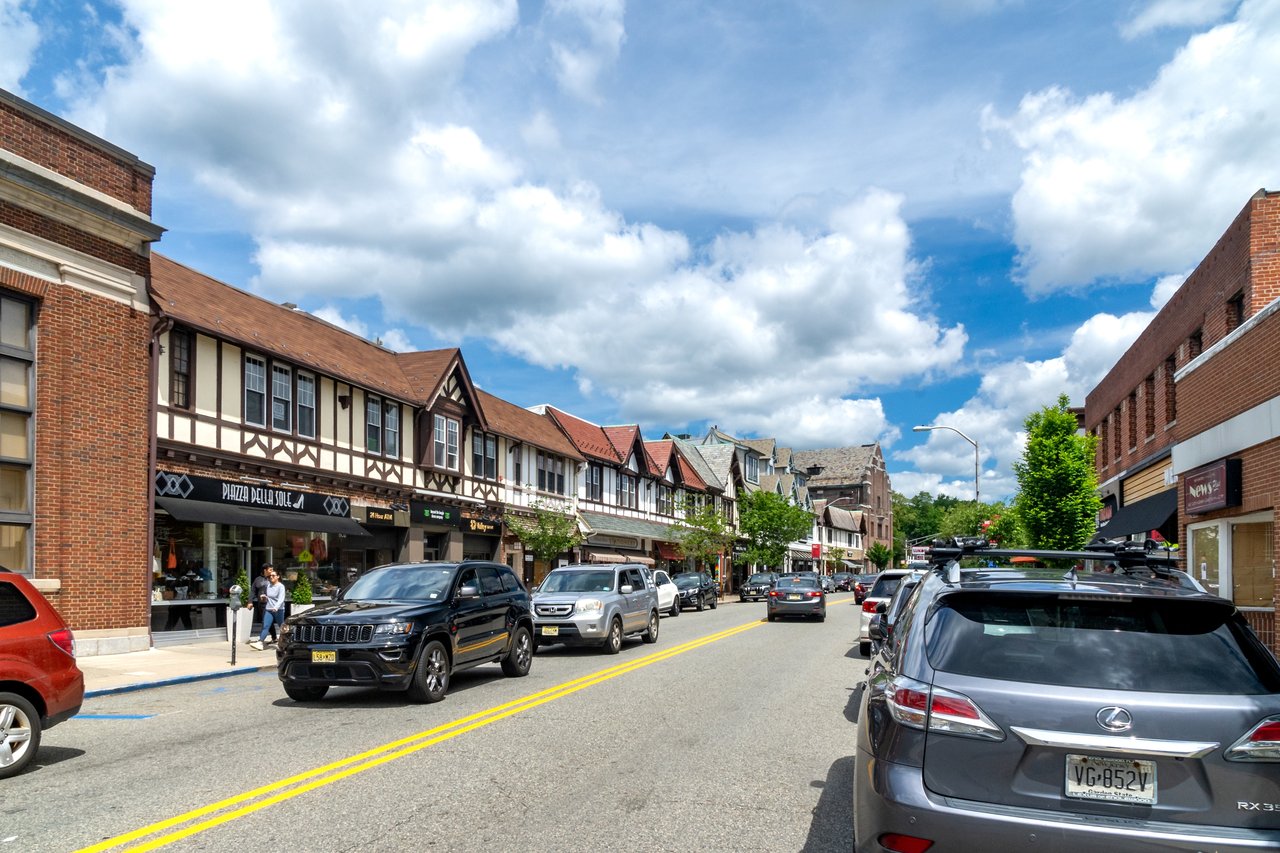
Best New Jersey Suburbs for NYC Commuters: In-Depth Guide
January 29, 2026
January 29, 2026
Choosing the right New Jersey suburb for a NYC commute means balancing reliable transit, family needs, and housing costs so you can keep commutes reasonable while gaining space and neighborhood amenities. This guide walks through the towns that deliver the fastest and most dependable routes to Manhattan, highlights suburbs that work best for families, points out value-oriented options with solid schools and commutes, and profiles towns favored by professionals who want walkable downtowns and nightlife. You’ll find clear commute comparisons, school- and amenity-focused town snapshots, and cost-of-living trade-offs to help rank neighborhoods by your daily routines and work schedule. We also cover how hybrid work shifts housing priorities and include practical next steps for starting a home search in Northern New Jersey. Throughout, common transit options like NJ Transit Midtown Direct, PATH, and NY Waterway ferry are referenced so you get realistic trip times and station logistics.
The fastest, most convenient commutes to Manhattan come from towns with direct transit or short, reliable transfers - especially those served by PATH, NJ Transit Midtown Direct, or ferries. What makes these places commuter-friendly is consistent, frequent peak service and practical last-mile options like station parking, shuttles, and bike access. Predictable travel times and shorter door-to-desk durations reduce daily stress, so towns with frequent train or ferry service tend to top commuter lists. Below we give a compact rundown of towns that minimize commute time while keeping suburban benefits like parks and family services.
Below is a compact comparison table showing representative towns, their primary transit mode, and typical commute time ranges to Manhattan during peak travel periods. The table focuses on commonly searched queries like "nj towns 30 minute commute nyc" to help identify one-seat or fastest-ride options.
This table summarizes typical peak-commute travel times and the most common transit modes for quick reference.
|
Town |
Primary Mode of Transit |
Typical Peak Commute Time to Manhattan |
|
Hoboken |
PATH or Ferry |
10–25 minutes to Midtown or Financial District |
|
Jersey City (Downtown) |
PATH / Ferry |
15–35 minutes depending on terminal |
|
Summit |
NJ Transit Midtown Direct |
40–55 minutes to Penn Station |
|
Maplewood |
NJ Transit Midtown Direct |
35–50 minutes to Penn Station |
This comparison shows waterfront towns with PATH or ferry service often deliver the shortest ride times, while Midtown Direct suburbs give reliable one-seat trips from farther inland. Transit frequency, station parking, and peak crowding are important caveats to consider; the following sections dig into direct-train towns and ferry/bus alternatives in more detail.
Suburbs on the Midtown Direct or Northeast Corridor lines offer one-seat rides to Penn Station or quick transfers, which is why they’re a common search target for "nj suburbs commute to nyc." Direct train service trims door-to-desk time by removing transfers and reducing variability from missed connections. Examples include Summit, Millburn, and Maplewood, where express and local trains run regularly and many stations provide park-and-ride options or nearby ride-share pickup. When choosing these towns, weigh station parking costs, off-peak frequency, and seasonal crowding - the day-to-day experience is a mix of travel time, station access, and local circulation.
Ferries and express buses can be faster and more comfortable than trains for riders close to waterfront terminals, which is why Hoboken and parts of Jersey City score so well for quick access to Midtown and Lower Manhattan. Ferries often have fewer delays and a calmer onboard environment, while express buses link suburbs to Manhattan hubs like Port Authority. Having multiple modes increases resilience when rail service is disrupted. Ferry terminals and bus loops usually connect with shuttles, bike-share, and walkable downtowns to tackle last-mile gaps and lower total travel time. Compare frequency, cost, and seasonal reliability when weighing PATH, ferry, and bus options - especially if you need consistent sub-30-minute trips.
Family-friendly commuter towns combine high-rated schools, low-crime neighborhoods, parks, and active downtowns with reasonable transit access to Manhattan. The core of family suitability is solid school districts, reliable municipal services, and community programming that fit busy family schedules. Places like Maplewood, South Orange, Montclair, Cranford, and Ridgewood often show up in searches for "best nj towns for families near nyc" because they pair NJ Transit or PATH access with strong public and private school options and lively community life. Families should balance commute tolerance against priorities like yard space, class sizes, and enrichment programs when picking a suburb.
The following list outlines core family-friendly attributes to look for when evaluating commuter suburbs.
Well-regarded school ratings and diverse programs that support academics and extracurriculars.
Easy access to parks, recreation centers, and family events that build neighborhood connections.
Practical transit options and sensible school- and work-day logistics that reduce daily friction for parents.
These features shape family decisions because they affect daily routines, resale value, and long-term satisfaction; the next section breaks down specific towns by school performance and safety indicators.
Top-rated districts usually offer specialized programs, steady test performance, and active parent-teacher organizations - all factors that increase a town’s family appeal. Maplewood and South Orange are frequently praised for district engagement and varied curricula; Montclair and Ridgewood provide multiple school choices and rich extracurricular offerings. Perceptions of safety combine low reported crime with visible community policing and neighborhood watch programs, considerations families weigh alongside school quality. Prospective buyers should review up-to-date school summaries and district highlights to match educational priorities with available housing and commute expectations.
Family life in Maplewood, South Orange, and Montclair centers on farmers’ markets, library programs, summer camps, and youth sports leagues - the everyday activities that make parenting easier for commuting families. Walkable downtowns with family-friendly restaurants and civic events create reliable weekend routines that offset weekday commutes and strengthen social ties. Parks, playgrounds, and community centers offer consistent spaces for play and recreation, while local cultural venues add enrichment outside school hours. These amenity clusters support quality of life and long-term property desirability - important factors for families thinking about both current needs and resale value.
Value-minded commuter towns trade lower median home prices for slightly longer commutes or fewer downtown luxuries while still keeping decent schools and core services. Affordability arises from diverse housing stock, neighborhood variety, and differing market demand across counties. Towns often noted for affordability with commuter options include Teaneck, Bloomfield, Rahway, and Union - each offers a mix of multi-family and single-family choices with manageable transit links to Manhattan. Buyers searching for "affordable nj suburbs near nyc" should weigh commute length, expected housing condition, and school ratings to find neighborhoods that meet budget and family needs.
Before the comparative table, here is a short list of buyer tips for finding affordable commuter towns without sacrificing essentials.
Choose neighborhoods a short drive or shuttle from a major station to maximize transit access while tapping lower-cost housing.
Focus on towns with stable or improving school ratings rather than assuming low cost equals poor schools.
Partner with local market experts who can spot investment-ready properties and emerging neighborhoods.
These steps help buyers find towns where reasonable commute times line up with affordability and acceptable school quality; the table below condenses median price ranges with commute and school notes for quick comparison.
|
Town |
Typical Median Home Price Range |
Commute Mode & Typical Time / School Summary |
|
Teaneck |
Mid-range for Bergen County |
Bus or train to NYC, 30–50 minutes; neighborhood schools with mixed ratings |
|
Bloomfield |
Lower-mid range |
NJ Transit to Penn Station, 30–45 minutes; improving school investments |
|
Rahway |
Lower-mid range |
NJ Transit direct service options, 35–50 minutes; district with growing programs |
|
Union |
Lower-mid range |
Commuter rail access and bus options, 35–55 minutes; schools vary by neighborhood |
This table underscores that finding affordability often means accepting a longer commute or different housing type while still keeping access to schools and key services. The next section explains how these towns balance cost and quality of life in practice.
Median home prices vary by town, with Union and Rahway usually offering lower entry points than Bloomfield and Teaneck, which can command higher values in desirable neighborhoods. Commute times hinge on station proximity and chosen mode - Teaneck and Bloomfield tend to be faster when near direct NJ Transit lines or strong bus links, while Rahway can be a standout value with direct rail service. School ratings and district investment differ inside each town, so buyers often hunt for micro-markets where schools are improving and housing remains affordable. Local agents help surface these neighborhood-level details that overall median figures can miss.
Affordable commuter towns typically offer a range of housing - condos, townhouses, smaller single-family homes - that lower up-front costs while keeping access to parks and basic services. Trade-offs may include occasional longer commutes, fewer boutique dining options, or older homes needing updates, but lower purchase prices or taxes can offset those downsides. When evaluating quality of life, consider parks, school program trajectories, and civic engagement - elements that determine long-term satisfaction beyond sticker price. For budget-conscious commuters, clear priorities and neighborhood-specific market knowledge produce the best results.
Young professionals gravitate to Northern New Jersey towns that pair fast transit with lively, walkable downtowns, higher-end dining, and cultural options - the places that let you live like you're close to the city without the cramped space. That mix of amenities and transit access is the appeal: a suburban home with urban comforts nearby. Millburn, Summit, Westfield, and Montclair often top lists because they combine brisk commute options with active nightlife, boutiques, and public spaces. Professionals should compare evening transit frequency, ride-share availability, and downtown hours to make sure post-work life stays practical.
The following list highlights downtown and lifestyle features professionals tend to prioritize when choosing a commuter suburb.
Compact, walkable downtowns with dinner spots, cafes, and cultural venues for an active social life.
Reliable early-morning and late-night transit to support varied schedules and social plans.
Co-working spaces, fitness studios, and boutique services that match a professional lifestyle.
These features reduce friction between work and personal life; the next sections outline walkability and premium-living trade-offs in more detail.
Walkable downtowns pack restaurants, bars, boutiques, and cultural venues within easy reach of transit hubs, creating pedestrian-first neighborhoods that suit younger commuters. Montclair and Westfield stand out for arts programming and community events that draw weekend crowds, while Summit and Millburn offer upscale dining and boutique shopping just steps from train stations. Strong walkability scores and mixed-use zoning support after-hours convenience, making it simple to run errands or socialize without a car. These towns strike a balance between urban energy and residential comfort.
Millburn, Summit, and Westfield blend upscale housing - renovated historic homes and newer luxury condos - with accessible train stations that shorten the commute to Manhattan. These towns attract buyers who value both prestige and convenience: strong schools, polished downtowns, and cultural organizations that support an upscale lifestyle. Commute compromises are often acceptable because these suburbs maintain direct or fast rail options and efficient station circulation. Buyers usually pay a premium for reduced commute stress and richer local amenities; understanding those trade-offs helps weigh lifestyle benefits against cost.
To compare cost of living between NYC and Northern New Jersey, look at housing prices, property taxes, parking and commuting expenses, and everyday costs like groceries and childcare. NJ suburbs often win on space per dollar - lower price-per-square-foot - which can offset higher property taxes in some towns and added commuting costs. Many commuters trade the high per-square-foot rents or purchases in NYC for more living space and better schools in New Jersey, while accounting for transit fares and parking. The table below offers a quick directional snapshot to help evaluate those trade-offs.
|
Location |
Housing Cost / Property Taxes |
Daily Expenses & Commute Costs |
|
New York City |
Higher per-square-foot rents and purchase prices; lower or no property taxes for renters |
Higher grocery and service prices; lower routine car costs but higher transit fares |
|
Millburn / Summit |
Higher purchase prices but more space per dollar; moderate to high property taxes |
Commuting costs include rail or ferry fares and occasional parking; groceries similar or lower than NYC |
|
Bloomfield / Rahway |
Lower purchase prices; moderate property taxes |
Longer commutes may increase monthly transit costs; daily expenses generally lower than NYC |
This snapshot shows that New Jersey often reduces housing cost pressure for space, while property taxes and commuting fees offset some savings. Model scenarios using your own housing targets and commute habits to see real impact. The next section breaks down cost categories and examines how hybrid work shifts priorities.
Housing in NYC usually means higher cost per square foot and less living area than many NJ suburbs, while New Jersey property taxes are a recurring line item that can offset purchase savings. Everyday expenses like groceries and services are often a bit lower in suburbs, but commuting adds recurring costs - monthly passes, parking, or tolls - that should be included in your budget. Build a side-by-side comparison with mortgage or rent, property taxes, transit passes, and typical household spending to gauge the net outcome. That level of detail helps decide whether longer commutes are worth the financial or lifestyle trade-offs.
Hybrid work cuts the number of days spent commuting for many professionals, which changes how people value one-seat rides versus larger homes and better local amenities. With fewer commute days, many prioritize reliable occasional transit access, strong internet, and neighborhood quality over absolute shortest travel times. That flexibility lets some buyers choose more affordable towns farther from Manhattan because commuting is less frequent, and it increases demand for homes with dedicated office space and nearby conveniences. Mapping expected on-site days helps you rank space versus commute time when shopping for a home.
Allison Ziefert Real Estate Group offers neighborhood-level real estate guidance across Northern New Jersey, focusing on transit-oriented communities and relocation help that matches commute preferences with lifestyle priorities. Our hyper-local knowledge comes from agents who live in the area and from detailed community guides that profile towns like Maplewood, Millburn, South Orange, and West Orange. We provide neighborhood matching, custom market reports, school and commute analyses, and guided tours that show how specific homes fit commuting and family needs. For commuters comparing towns on commute time, school ratings, and affordability, working with a local team shortens the research curve and builds confidence around trade-offs.
We specialize in Northern New Jersey markets across Essex, Morris, and Union counties, using local residency and community guides to advise on schools, transit options, and neighborhood fit. Our client-focused relocation services include tailored neighborhood tours and school-district briefings so families can weigh commute time against amenities. We track micro-market trends and practical details - station parking, school enrollment patterns, resale considerations - and translate that into actionable guidance. That local expertise saves buyers time and helps align housing choices with real daily needs.
Start by listing your commute tolerance, must-have home features (like a home office), and school priorities. Request neighborhood comparisons and market reports that contrast commute times and school summaries across your shortlist. Book guided tours focused on transit access, downtowns, and homes within your budget, and ask for commute comparisons for peak and off-peak travel so you see real trip durations. Allison Ziefert Real Estate Group can provide tailored community guides and coordinate viewings that emphasize commuter logistics and school information, guiding you through offers, inspections, and closing. Following these steps streamlines your search and clarifies trade-offs between commute, cost, and lifestyle.
Define priorities: List commute tolerance, school needs, and housing must-haves.
Request neighborhood comparisons: Ask for commute and school summaries for candidate towns.
Schedule targeted tours: Visit stations, downtowns, and sample homes with a local guide.
Think about transit options, commute times, housing costs, and local amenities. Direct train or ferry service can cut travel time significantly. Also weigh school quality, neighborhood safety, and nearby parks and services. Clarify your priorities - family needs, lifestyle, or budget - to narrow choices that match your daily routine.
Property taxes in New Jersey vary and can be higher than in NYC, especially in affluent suburbs. That said, NJ homes often deliver more space per dollar, which can offset taxes. NYC renters typically don’t pay property taxes directly but face much higher rents. Factor both taxes and housing costs when comparing total monthly expenses.
Families should prioritize strong schools, parks and recreation, library programs, and youth sports. Look for safe streets, family-oriented events, and accessible healthcare and childcare. These amenities support daily life and contribute to long-term neighborhood appeal.
Check the density of shops and restaurants, availability of sidewalks, and distance to transit. Walkability scores are a useful starting point, but visit the area to feel the pedestrian environment. Talk to residents to learn about practical walkability day-to-day.
Hybrid work reduces the number of weekly commutes, allowing many to choose suburbs with larger homes or better amenities farther from Manhattan. It also raises the importance of home-office space, reliable internet, and nearby conveniences. Hybrid schedules let buyers prioritize living quality over the fastest possible commute.
Begin by listing commute tolerance, desired home features, and school needs. Research neighborhoods that meet those criteria and request comparisons from local experts. Schedule guided tours and use neighborhood data - commute times, school ratings, and market trends - to make informed choices. Working with a knowledgeable local team streamlines the process.
Finding the right New Jersey suburb for a NYC commute is about trade-offs: commute time, school quality, and local lifestyle. This guide gives practical insight into transit options, neighborhood features, and cost considerations so you can prioritize what matters most. Use local expertise and targeted comparisons to narrow choices and start your search with confidence - we’re here to help you find the neighborhood that fits your daily life.
Blog
For Northern New Jersey homeowners who want to understand what drives competitive offers, how listing prices influence buyer behavior, and what really determines a suc… Read more
Blog
For homeowners in Maplewood, South Orange, and Northern New Jersey who want to understand their property's value before selling, refinancing, or planning their next mo… Read more
Blog
A step-by-step guide for buyers navigating the post-contract period in Essex, Morris, and Union Counties

Blog
A straight-numbers look for buyers considering a purchase in Maplewood, Montclair, Summit, and surrounding towns — and what the math actually says about timing
Home Selling
A practical guide for buyers and sellers in Maplewood, South Orange, Montclair, Summit, Westfield, Chatham, and nearby Northern New Jersey towns.
We are passionate about researching market stats, negotiating contracts, and helping our clients find and sell homes. The majority of our business comes from past clients and referrals from people who know our work.