Why Housing Prices Are So High in New Jersey Right Now
Real Estate July 18, 2025
Real Estate July 18, 2025
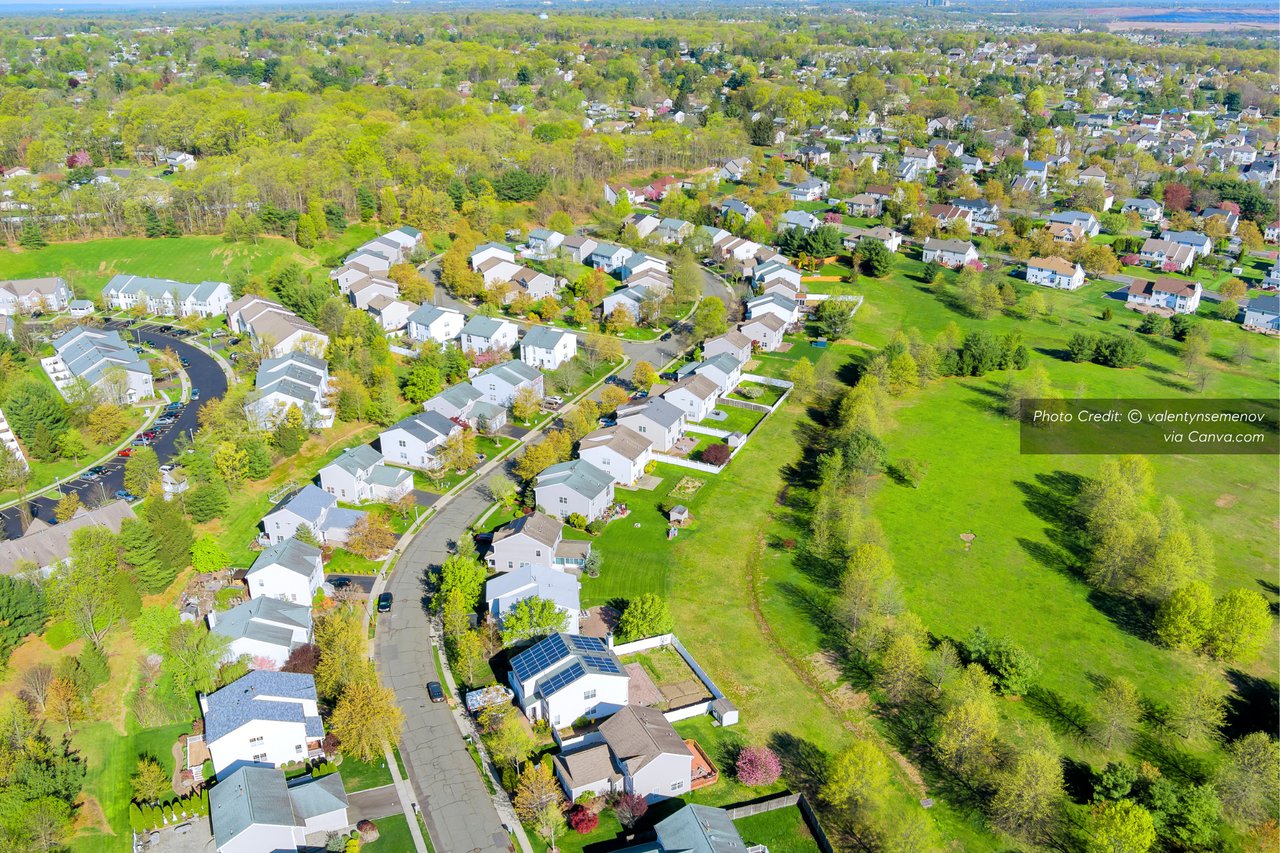
Housing prices across the U.S. have soared in recent years, driven by a complex mix of long-standing structural issues and recent economic forces. And in high-demand states like New Jersey, the situation is even more intense. High demand towns with attractive schools, downtowns and direct train service like Short Hills, NJ, Summit, NJ, Maplewood, NJ and Montclair, NJ have seen staggering price increases over the last few years. For example, year to date, the average price of a home in Short Hills has increased by over 17% over last year. Since 2020 the average price of a home in Short Hills has shot up from about $1.5 million to $2.5 million.
Here's a breakdown of the key factors contributing to the housing affordability crisis:
Underbuilding after the 2008 crash: Homebuilders pulled back sharply after the Great Recession, and construction never fully rebounded—especially for affordable and starter homes.
Zoning laws limit density: Local regulations often prohibit multi-family housing or require large lot sizes, especially in suburban areas. This artificially caps how much housing can be built, even where demand is high.
High construction costs: Material prices, labor shortages, and permit delays continue to drive up the cost of building new homes.
Millennials are buying homes: The largest generation is in its prime homebuying years, and many want to own—even if prices are steep.
Remote work reshaped demand: The rise of work-from-home has allowed people to move further from city centers, increasing competition (and prices) in suburban and smaller markets.
Inventory remains low: With so few homes for sale, competition is fierce. In many areas, bidding wars are still common, pushing prices even higher.
Pandemic-era low rates fueled buying: Mortgage rates dipped below 3% during COVID, which made borrowing cheap and drove a buying frenzy.
Now homeowners are “locked in”: Many who bought or refinanced at ultra-low rates are staying put. They don’t want to trade in their 2.5% rate for today’s 7%+ loans—so they’re not selling. That means fewer listings, which keeps pressure on prices.
Rental demand is high: With home prices and interest rates up, many would-be buyers are stuck renting longer. That has caused rents to spike in many parts of the country.
Rent control reduces supply: In cities with strict rent control (like parts of NJ, NYC, and California), small landlords often choose to sell or convert their properties rather than continue renting under increasingly tight regulations.
Rent control limits how much landlords can charge or increase rent—regardless of rising maintenance, tax, or repair costs. While it’s designed to protect tenants from steep rent hikes, it can create unintended side effects:
Reduced profit margins: If a landlord can’t raise rent enough to cover rising expenses (like property taxes, repairs, or insurance), the property may no longer be financially viable as a rental.
Discouragement of upkeep or improvements: Since they won’t see a return on investment, many landlords defer maintenance or upgrades, leading to deteriorating housing stock.
Incentive to exit the market: Faced with limited revenue potential and rising costs, landlords often decide it’s more profitable—or less risky—to:
Sell the building to an owner-occupant or developer.
Convert the building to condos or another use that isn’t subject to rent control.
This reduces the overall supply of rental housing, especially of affordable units—which ironically can drive rents higher in the unregulated market.
It’s not just your imagination—New Jersey is one of the most expensive states to buy or rent in, and that’s unlikely to change soon.
New Jersey faces unique pressures that make housing even more expensive:
Limited land and dense development: With much of the state already developed or protected, there’s little room to expand.
Proximity to NYC and Philly: Desirable towns with easy train access or strong school systems (like Short Hills, Montclair, Summit, etc.) see consistently high demand and low inventory.
High property taxes and fees: The cost of owning is higher in NJ due to property taxes, maintenance costs, and now rising transfer fees like the “Mansion Tax.”
Short supply of rentals: Many NJ towns haven’t built significant new rental housing in decades, leading to extremely tight rental markets—especially in areas that attract NYC commuters.
Housing prices are high because supply hasn’t kept up with demand, and both the for-sale and rental markets are feeling the strain. In New Jersey, the situation is intensified by geographic constraints, regulatory challenges, and the enduring appeal of the state’s top-tier school districts and commuter towns.
Unless significant changes are made to increase housing supply, modernize zoning laws, and build more rental units, affordability will remain a growing challenge—for both renters and buyers.
Understanding the “why” behind the market is the first step. The next is working with a knowledgeable local agent who can help you:
Find opportunities others might overlook
Position your offer or listing competitively
Strategically time your move based on your goals
Whether you're buying, selling, or trying to figure out your next step, I'm here to help you navigate the process with clarity and confidence.
📩 Have questions about the market? Thinking of making a move? Let’s talk. Reach out to schedule some time by emailing us at [email protected].
Blog
For Northern New Jersey homeowners who want to understand what drives competitive offers, how listing prices influence buyer behavior, and what really determines a suc… Read more
Blog
For homeowners in Maplewood, South Orange, and Northern New Jersey who want to understand their property's value before selling, refinancing, or planning their next mo… Read more
Blog
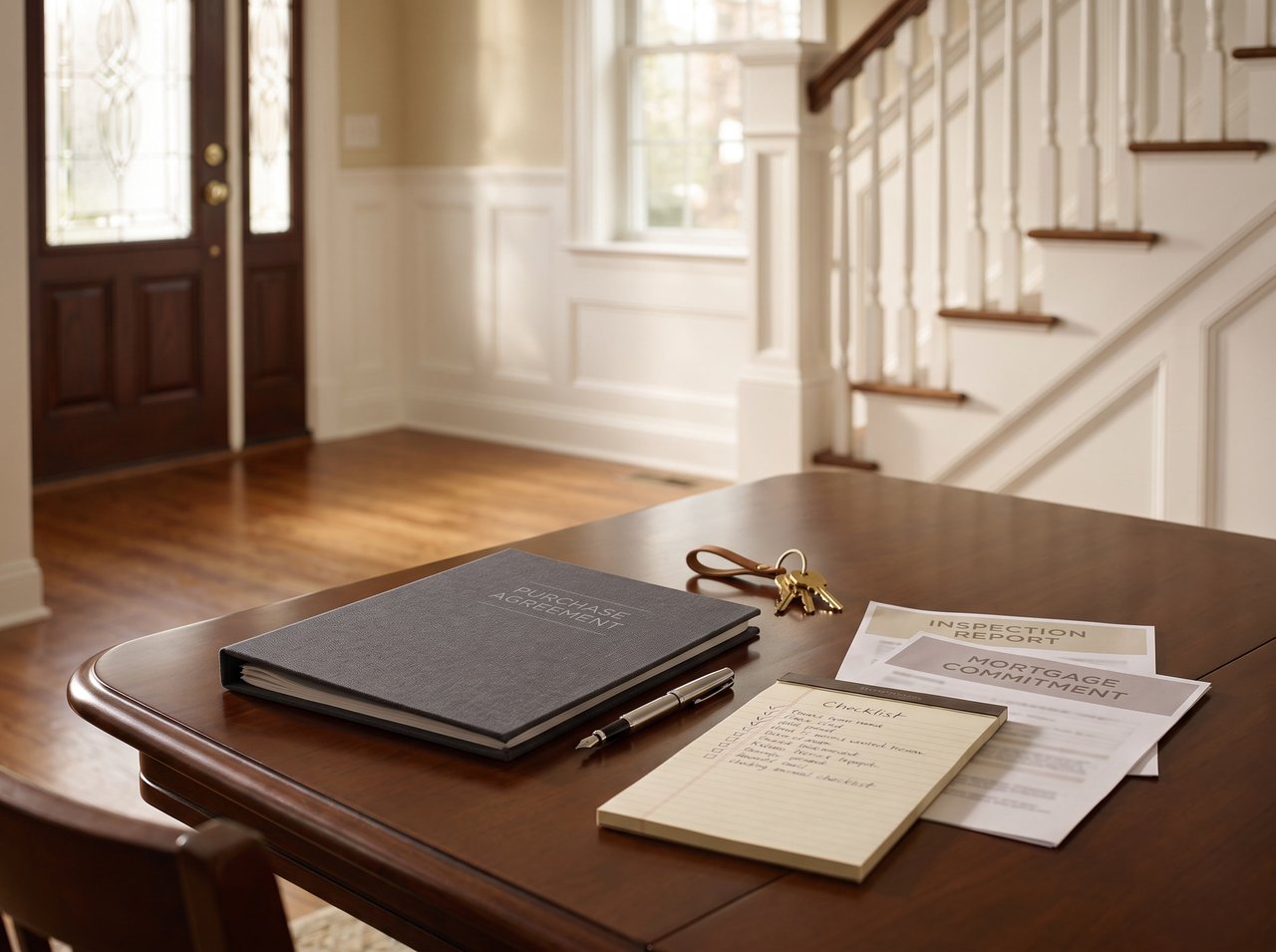
A step-by-step guide for buyers navigating the post-contract period in Essex, Morris, and Union Counties

Blog
A straight-numbers look for buyers considering a purchase in Maplewood, Montclair, Summit, and surrounding towns — and what the math actually says about timing
Home Selling
A practical guide for buyers and sellers in Maplewood, South Orange, Montclair, Summit, Westfield, Chatham, and nearby Northern New Jersey towns.
We are passionate about researching market stats, negotiating contracts, and helping our clients find and sell homes. The majority of our business comes from past clients and referrals from people who know our work.