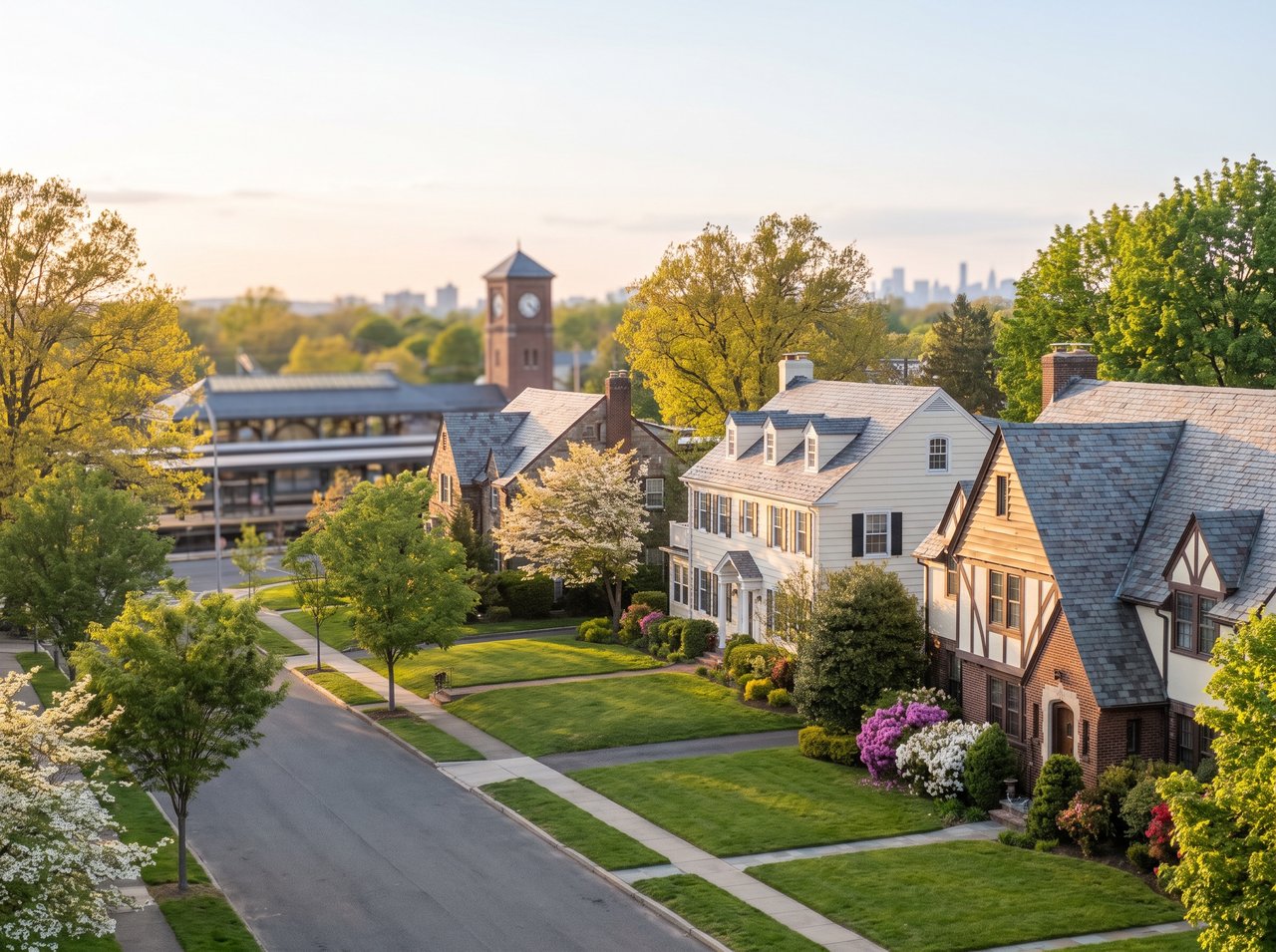
New Jersey Is Apparently the Second-Best State to Live In. We’re Not Surprised
Blog Allison Ziefert August 27, 2026
Blog Allison Ziefert August 27, 2026
New Jersey residents have a complicated relationship with their state. We complain about the taxes, the traffic, the congestion, and the cost of almost everything. But the moment someone from outside the state dismisses New Jersey, we somehow become its most loyal defenders.
That contradiction makes more sense when you look at what living here actually provides.
WalletHub’s 2026 Best States to Live In ranking placed New Jersey second overall, weighing factors such as affordability, economy, education and health, quality of life, and safety. The ranking does not mean New Jersey is easy or inexpensive. It means the state scores unusually well on many of the things that shape day-to-day life, even while affordability remains a real challenge.
That is the balance Northern New Jersey residents understand better than anyone: the cost is high, but for many households, the value is real.
Let’s acknowledge the obvious first: Northern New Jersey is not cheap. Property taxes are high. Home prices in towns like Short Hills, Millburn, Summit, Chatham, and Westfield reflect sustained demand. The cost of entry is real, and it should not be minimized.
But that cost exists alongside real advantages: strong public schools, high household incomes, access to major job centers, community-oriented towns, healthcare access, parks, cultural amenities, and direct transportation into New York City.
For buyers relocating from Brooklyn, Hoboken, Jersey City, or Manhattan, the calculation often becomes clearer once they start touring. They may be trading some urban convenience, but they are often gaining space, schools, a yard, neighborhood stability, and a daily rhythm that still keeps the city within reach.
Safety is one reason New Jersey performs well in national quality-of-life rankings, and it is also one of the things relocating buyers often notice once they start spending time in Northern NJ towns.
Many buyers arrive focused on bedroom count, commute time, taxes, and school districts. What catches them off guard is how quickly the environment feels different: kids riding bikes on the block, neighbors who recognize one another, downtown streets that feel active but manageable, and a pace of daily life that feels more grounded than what they were used to in the city.
For families moving to Maplewood, South Orange, Glen Ridge, Bloomfield, Summit, or Chatham, that sense of neighborhood ease often becomes one of the emotional reasons the move starts to feel right.
New Jersey’s education performance is one of the most important reasons families continue to prioritize the state, and it plays a major role in Northern NJ real estate demand.
For buyers relocating from New York City or other high-cost metro areas, access to strong public schools can reshape the entire housing conversation. A higher property tax bill may feel different when it is weighed against private school tuition, commute access, neighborhood life, and long-term resale strength.
The school-district effect is especially visible in towns like Millburn, Chatham, Westfield, Summit, Livingston, and Glen Ridge, where school reputation and town identity are closely tied to buyer demand. But the broader point applies across Essex, Morris, and Union Counties: education quality remains one of the core reasons families are willing to compete for homes here.
Read more: Thinking about how school district boundaries translate into real pricing differences across Northern NJ towns? This mid-2026 market update for Maplewood and South Orange gives context on how buyer demand and values are holding up in two of Essex County's most family-driven communities.
New Jersey consistently ranks among the states with the highest median household incomes in the country, reflecting both the professional workforce concentrated here and the proximity to two of the nation's largest employment centers, New York City and Philadelphia.
For residents of Northern NJ, that economic geography is unusually powerful. Many households have one or two earners commuting into Manhattan while living in communities with the feel of a small town. NJ Transit's Midtown Direct service from Maplewood, South Orange, Millburn, Summit, and Madison makes that combination genuinely workable rather than theoretical.
That access — to economic opportunity on one side and suburban livability on the other — is arguably the most distinctive thing about Northern New Jersey. You don't have to choose between a career in a major city and a home with a yard, neighbors you know, and a school your kids can walk to.
National surveys do a reasonable job of capturing the objective dimensions of quality of life — access to parks and recreation, healthcare quality, cultural amenities, transportation infrastructure. New Jersey scores well across all of them.
What they can't fully capture is the texture of daily life in these specific communities.
It's a Saturday morning at the Maplewood Farmers Market. It's dinner on South Orange Avenue at a restaurant you've been going to for years and where the owner knows your order. It's the Montclair Film Festival, or a summer concert on the green in Morristown, or a walk through South Mountain Reservation on a fall afternoon when the foliage is at its peak. It's the particular kind of community that forms around a train station town, where the same people end up on the same platform every morning and eventually become part of each other's lives.
It's also proximity to everything else. A Broadway show, a museum, a major concert, a professional game — any of these can be an evening, not an expedition. Newark Liberty serves nonstop flights to destinations across the country and around the world. Amtrak connects to Philadelphia and points up and down the East Coast with relative ease.
New Jersey manages to be both local and global at once. That's not common, and it's not accidental.
We work with many buyers relocating to Northern New Jersey from New York City, other parts of the country, and increasingly from other states where housing costs have climbed dramatically. They almost always arrive with a clear-eyed checklist: number of bedrooms, commute time, tax rate, school district.
What takes them longer to articulate, but what we hear consistently once they've been here a year — is the social fabric. The neighborhood feel. The way communities in Maplewood, Glen Ridge, Westfield, and Madison tend to pull people in and hold them there. Block parties. School pickup rhythms. The coffee shop that becomes a standing weekly routine. The friends made in a way that didn't quite happen in the city.
A quality-of-life index can note that residents have access to parks and cultural programming. It can't capture the particular feeling of belonging to a place, which is ultimately what keeps people in New Jersey long after they've stopped complaining about leaving.
Read more: If you're thinking about what life in these communities actually looks like on the ground, this guide to preparing your Northern NJ home for a fall sale is written for people who already know why they love it here, and are now thinking about what comes next.
If you're considering a move to Northern New Jersey from New York City or elsewhere, the research strongly supports what your instincts may already be telling you. The cost of entry is real and shouldn't be minimized, but it buys access to safety, schools, community, economic opportunity, and a quality of daily life that is genuinely difficult to replicate at a lower price point elsewhere.
Start your search with a clear sense of what matters most to your household: commute tolerance, school priorities, walkability, community character, and price range. The towns along the Midtown Direct and Montclair-Boonton lines each have distinct personalities, and finding the right fit matters as much as finding the right house.
If you've owned a home here for several years, the appreciation you've likely experienced is not accidental. It's the compounding result of durable demand in a market where the underlying quality-of-life proposition consistently attracts new buyers, particularly from New York City, and where longtime residents choose to stay. That dynamic doesn't reverse quickly, even in softer national markets.
Whether you're just beginning to research the area or are ready to start seriously looking, the Allison Ziefert Real Estate Group would be glad to talk through what different towns offer, what the current market looks like, and what it actually costs to buy and to live — here.
Reach out at [email protected]. We're happy to share what we see every day in this market, and what buyers who've made the move are saying once they've settled in.
Why do people move to Northern New Jersey from New York City? The combination of Midtown Direct rail access, strong public schools, community-oriented neighborhoods, and significantly more space than most NYC apartments makes Northern NJ towns like Maplewood, Montclair, Summit, and Chatham compelling for families and professionals who want city access without city-only living.
Is New Jersey a good state to raise a family? Consistently, yes. New Jersey ranks among the top states nationally for education quality, safety, and health outcomes — three categories that matter most to families evaluating a long-term place to live. The public school systems in Essex, Morris, and Union Counties are among the strongest drivers of sustained housing demand in the region.
Why is housing in Northern NJ so expensive? Demand is durable, and supply is structurally constrained. The combination of limited new construction, strong schools, Midtown Direct rail access, and the consistent appeal of walkable downtowns keeps demand high relative to available inventory, particularly in towns like Millburn, Short Hills, Summit, and Westfield.
Do people who move to Northern NJ tend to stay? Yes, and the data on low inventory reflects exactly that. Community attachment in these towns runs deep. Residents who could afford to move often decide they'd rather not, which is a significant reason why turnover stays low, and demand consistently outpaces supply.
What's the best town in Northern NJ to move to? That depends entirely on what you prioritize. Walkability and train access point toward Maplewood, South Orange, Montclair, and Summit. Larger lots and a quieter feel may point toward Chatham, Madison, or Livingston. School district strength, community character, price point, and commute tolerance all factor in differently for every household, which is why a conversation with a local agent who knows the towns well is worth having early in the process.
Real Estate
Blog
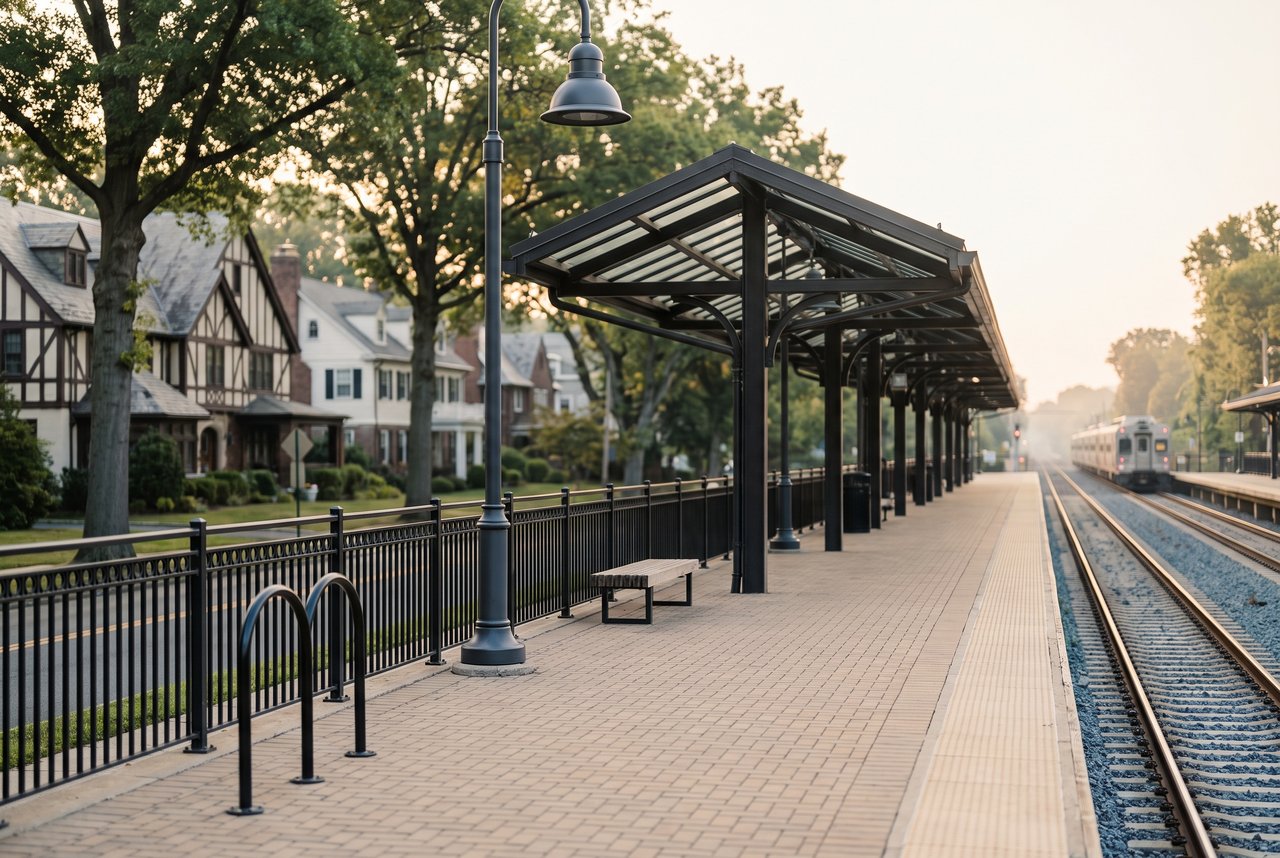
A practical guide for anyone considering a move to South Orange — covering train stations, jitney routes, parking, and how to match your commute to the right neighborh… Read more
Blog
For anyone considering a move to Northern NJ, or already here and wondering why the property tax bill hasn't sent them packing yet.
Blog
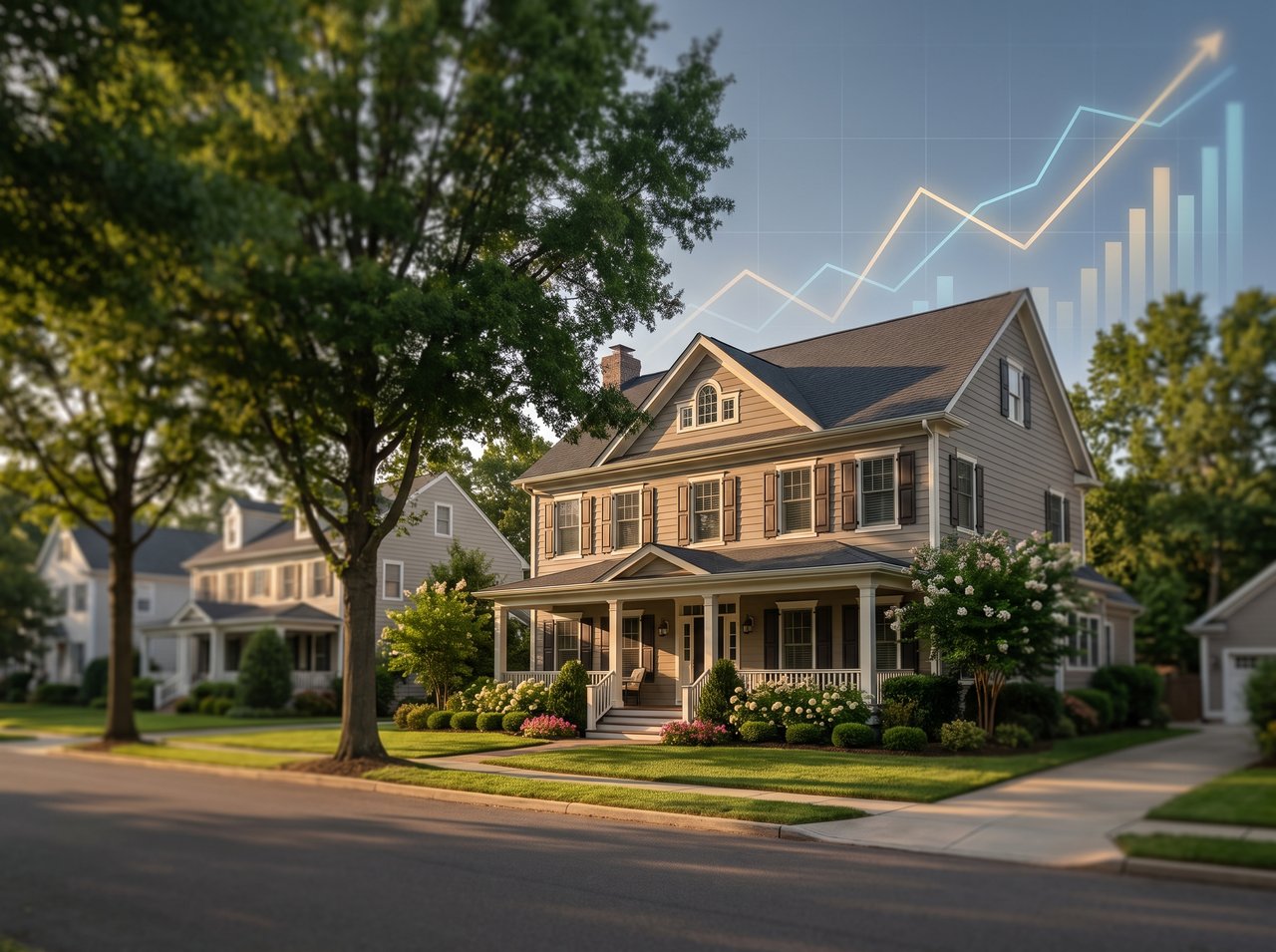
A mid-2026 status check for anyone buying, selling, or just curious about home values in these two Essex County communities
Blog
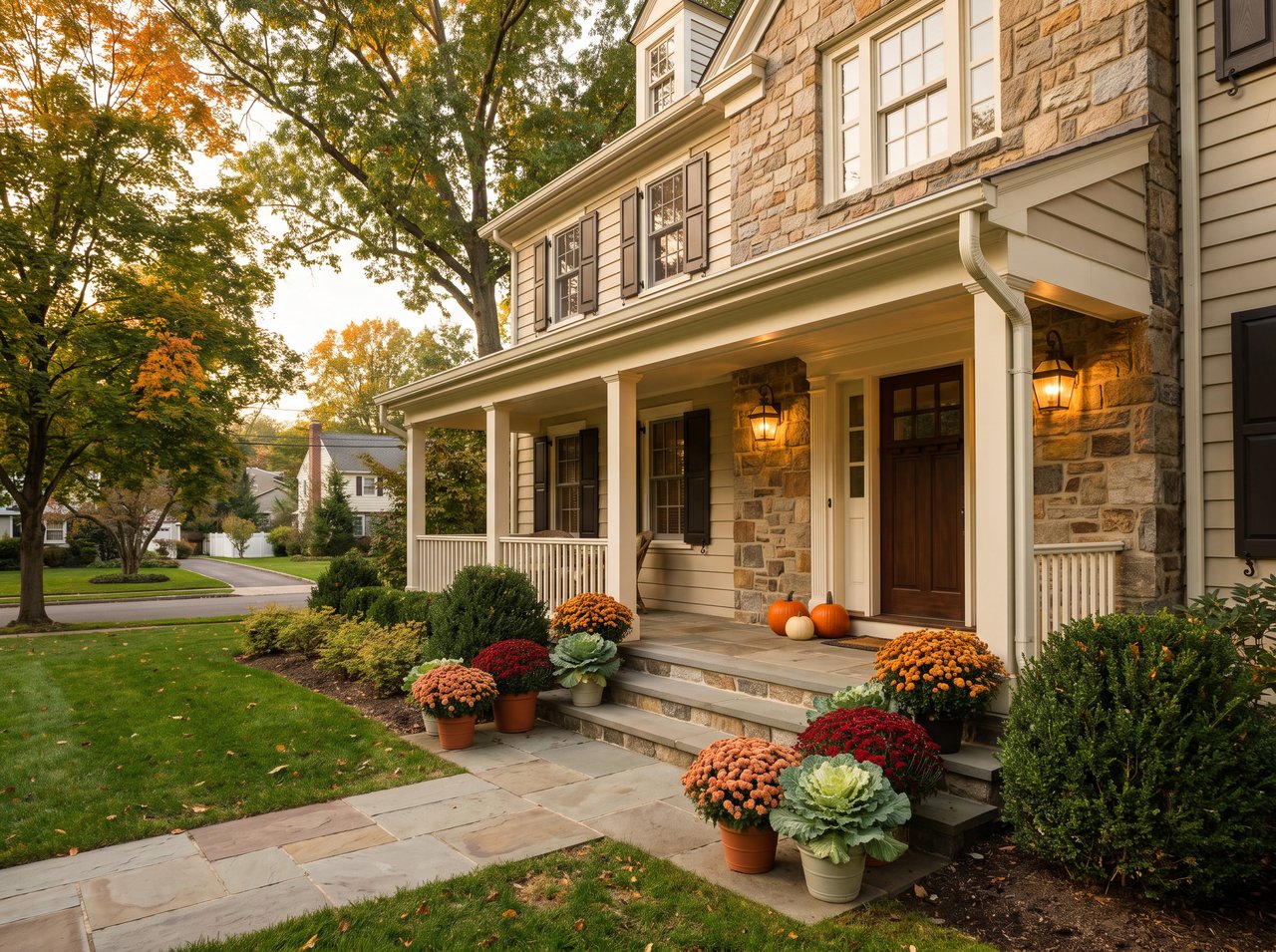
A practical seller's guide for homeowners in Essex, Morris, and Union Counties planning to list between September and November
We are passionate about researching market stats, negotiating contracts, and helping our clients find and sell homes. The majority of our business comes from past clients and referrals from people who know our work.