South Orange NJ to NYC Commute Guide for Home Buyers
Blog Allison Ziefert September 1, 2026
Blog Allison Ziefert September 1, 2026
For buyers relocating from New York City, the commute question often comes before almost any other. South Orange answers it well — but the details matter more than most people initially realize.
The Village has two NJ Transit train stations, a municipal commuter jitney system, and a mix of daily and permit parking options. Together, they give South Orange residents more commuting flexibility than the standard "miles to train" calculation suggests. The catch is that the two stations aren't interchangeable, and choosing a home near one versus the other can meaningfully shape your daily experience.
Here's what prospective buyers need to understand before they start narrowing neighborhoods.
Both South Orange Station and Mountain Station sit on NJ Transit's Morris & Essex Lines. But their service patterns differ in ways that matter significantly for NYC commuters.
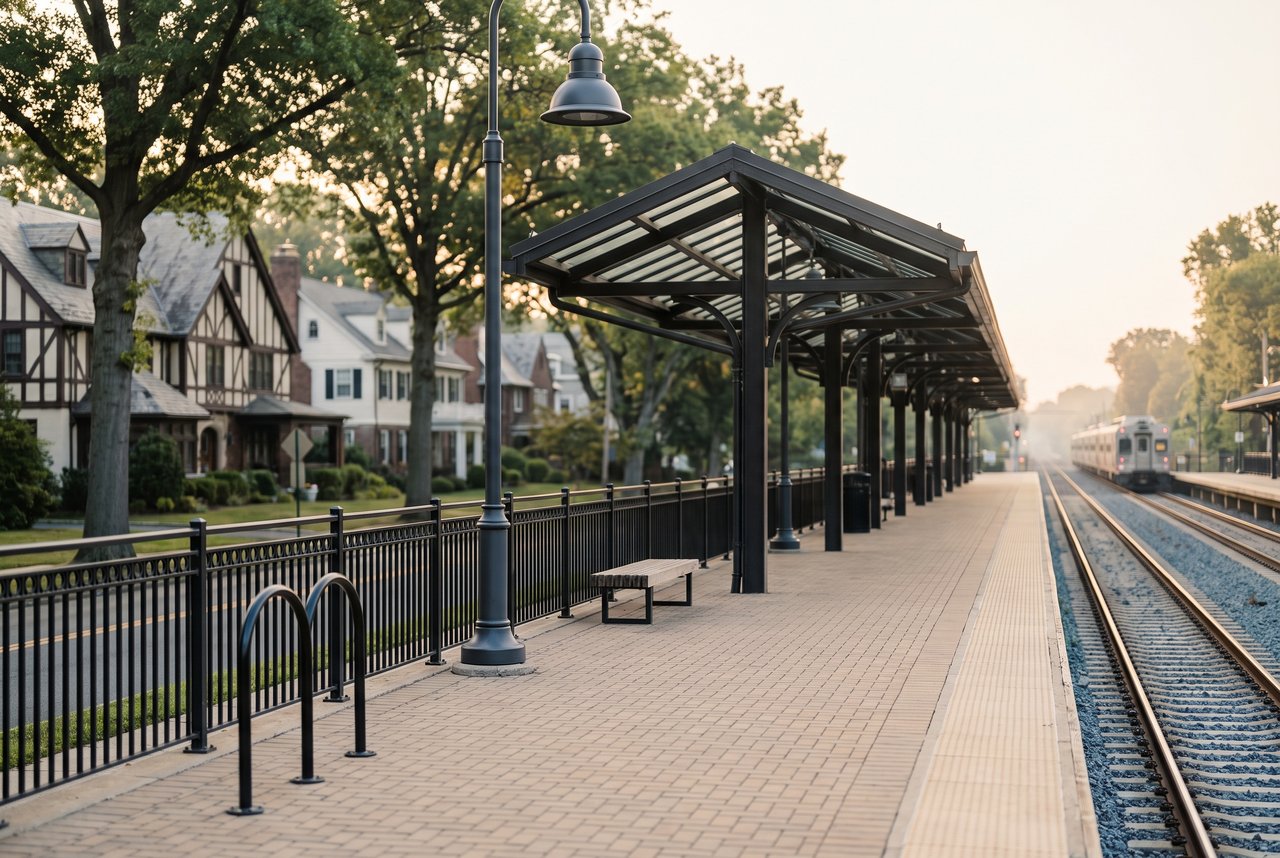
South Orange Station is the main station, located in the center of downtown at Sloan Street. It offers Midtown Direct service — meaning trains that run directly to New York Penn Station without a transfer. Depending on the schedule and the specific train, commuters from this station can access either Penn Station directly or Hoboken Terminal, from which PATH and NY Waterway ferry connections into Manhattan are available. The station's downtown location adds another layer of value: arriving home means stepping directly into a walkable village with restaurants, coffee, shops, and services within a few minutes on foot.
Mountain Station sits in South Orange's West Montrose section, near Vose and Montrose Avenues. Fewer trains stop here, and direct service runs toward Hoboken rather than Penn Station. That's not a deal-breaker for many commuters — from Hoboken Terminal, PATH service reaches lower Manhattan quickly, and a transfer at Newark Broad Street can connect Mountain Station riders to Penn Station-bound trains depending on the schedule. But buyers whose destination is Midtown Manhattan, Hudson Yards, or Penn Station should understand this distinction before assuming that proximity to Mountain Station provides the same commute as proximity to South Orange Station.
The right question for any prospective buyer isn't simply how close a house is to a train. It's which station that house actually serves, which trains stop there when you'd be traveling, and where in New York you ultimately need to arrive.
If you're coming from New York City, the word "jitney" may need a brief explanation. The South Orange jitney is a municipal commuter shuttle — a small bus system designed specifically around train schedules, connecting residential neighborhoods to South Orange Station in the morning and returning commuters to their neighborhoods in the evening.
It does not serve Mountain Station, and it isn't a general-purpose transit system running throughout the day. It exists specifically to bridge the gap between neighborhoods farther from the main station and NJ Transit's departure times.
For buyers, the jitney is significant because it expands the map of where a convenient commute is actually possible. A home that's a 15-minute walk from the station — too far for most people to walk daily in all weather — might be a three-minute walk from a jitney stop. That distinction can open up entire sections of South Orange that might otherwise get filtered out of a buyer's search too quickly.
South Orange currently operates two primary commuter jitney routes. As with any municipal service, routes, stops, and schedules are subject to change — buyers should always verify current information directly with the South Orange Parking Authority before making decisions based on a specific route or stop.
Newstead Route
Serves the Newstead section of South Orange, covering residential areas west and northwest of downtown. Many homes in this area are well outside comfortable walking distance of South Orange Station, making jitney access particularly relevant for buyers evaluating these neighborhoods.
Tuxedo Park & Montrose Route
Covers neighborhoods on the eastern and northeastern side of South Orange, with stops along streets including Montague Place, Tichenor Avenue, Ward Place, South Orange Avenue, South Stanley Road, Varsity Road, South Centre Street, Sinclair Terrace, Montrose Avenue, Hartford Road, Charlton Avenue, and Ralston Road, before delivering commuters to the main station.
This route is worth noting for buyers who are close to Mountain Station but occasionally prefer the broader Midtown Direct schedule available from South Orange Station — the jitney gives them that option.
Jitney fares as of 2026: A 12-month resident pass is $300, or $2 per ride paid in cash with exact change required. Confirm current pricing with the South Orange Parking Authority, as fees can change.
South Orange Station offers both daily parking and commuter permit options, including spaces associated with the main station and the Third Street Garage. Daily spaces are available on a first-come, first-served basis.
One thing buyers should know before assuming they'll drive and park: commuter parking permits can carry waiting lists. If having a permit from day one is essential to your commute, verify availability before you close on a house — not after.
This is one practical reason why jitney access can be more valuable than it first appears. For commuters who would otherwise drive to the station, a reliable jitney stop nearby may be a better long-term solution than counting on parking availability.
Mountain Station also has both daily and permit parking, which makes it a genuinely convenient option for buyers on that side of South Orange who prefer to drive rather than walk. But as above: check the actual train schedule for Mountain Station against your commuting hours before making assumptions about how easy that daily trip will be.
This is one of the things we most often clarify with buyers relocating from New York City, where proximity to a subway entrance is fairly binary. South Orange's commuter infrastructure is more layered.
Residents can get to the train by walking to either station, taking the jitney to South Orange Station, driving and using daily parking, securing a commuter permit, biking, or simply getting dropped off. For some buyers, a direct walk to South Orange Station is genuinely non-negotiable — they want to step off the platform and be home in eight minutes. For others, a two-minute walk to a jitney stop is equally workable, and expands the neighborhoods they can consider considerably.
Understanding which of these scenarios fits your actual household makes the home search more efficient and avoids the mistake of filtering out good options based on walking distance alone.
Read more: South Orange is one part of a broader SOMA market that consistently draws NYC-area buyers. This mid-2026 look at what's happening in Maplewood and South Orange real estate covers current pricing, buyer demand, and what to expect if you're entering the market now.
It depends on two things: where you're going in Manhattan, and which part of South Orange you're buying in.
Commuters headed to Midtown, Penn Station, Hudson Yards, or Times Square will generally find South Orange Station's Midtown Direct service most convenient. Commuters whose destination is lower Manhattan, the World Trade Center area, or anywhere well-served by PATH may find Mountain Station's Hoboken-bound service — or a transfer at Newark Broad Street — works just as well, or better.
There's no universal right answer. What matters is matching your specific destination and schedule to the station and service pattern that serves the neighborhoods you're considering. That's a conversation worth having with a local agent before you start making offers, not after you've committed to a specific block.
Don't let the commute question narrow your search prematurely. South Orange's combination of two stations, jitney service, and multiple parking options gives buyers considerably more flexibility than a surface-level look at the map suggests. The key is understanding which commuting options are actually available for specific homes you're considering — and matching those to your daily destination and schedule.
Buyers moving from New York City often arrive with strong assumptions about how suburban commuting works. South Orange tends to pleasantly complicate those assumptions, in a good way.
If your home is near a jitney route or within comfortable walking distance of either station, that's a genuine marketing point worth making explicit — not just implied. NYC-relocating buyers filter heavily on commute convenience, and many don't know the jitney exists until someone tells them. Sellers whose homes sit on or near a jitney route are sitting on an underappreciated selling point that a well-prepared listing should surface clearly.
The Allison Ziefert Real Estate Group has helped many buyers navigate South Orange's neighborhoods, station options, jitney routes, and parking logistics — and find the combination of home, location, and commute that actually works for their lives.
If you're considering a move to South Orange or anywhere in Northern New Jersey, we'd be glad to walk you through the specifics. Reach out at [email protected].
Train schedules, jitney routes, stops, parking availability, permit rules, and fares change periodically. Always verify current information directly with NJ Transit and the South Orange Parking Authority before making home-buying or commuting decisions.
Does South Orange NJ have direct train service to New York Penn Station? Yes — from South Orange Station, the main downtown station. The Midtown Direct service provides a one-seat ride to Penn Station, making it a strong option for commuters headed to Midtown Manhattan. Mountain Station, the second station, offers direct service to Hoboken rather than Penn Station, with connection options from there.
What is the South Orange jitney? A municipal commuter shuttle system that connects South Orange neighborhoods to the main South Orange Station, timed around NJ Transit train schedules. It runs in the morning toward the station and in the evening back toward neighborhoods. As of 2026, passes are $300 annually or $2 per ride. Verify current fares and routes with the South Orange Parking Authority.
Do I need to live near the train station to commute easily from South Orange? Not necessarily. Between the jitney system and commuter parking at both stations, residents across a range of South Orange neighborhoods can manage a convenient commute to New York City — even without being within walking distance of either station.
What's the difference between South Orange Station and Mountain Station? South Orange Station is the main downtown station with Midtown Direct service to Penn Station and broader train frequency. Mountain Station serves the West Montrose section and offers direct service to Hoboken, with transfer options to reach Penn Station via Newark Broad Street. The stations serve different parts of town and have meaningfully different train schedules.
Is South Orange a good town for NYC commuters? For many buyers, yes. The combination of Midtown Direct rail access, two station options, jitney service, walkable downtown, and strong community character makes South Orange one of the more practical and appealing commuter towns in Essex County. The best fit depends on where in New York you're headed and which South Orange neighborhood suits your lifestyle.

Blog
A straight-numbers look for buyers considering a purchase in Maplewood, Montclair, Summit, and surrounding towns — and what the math actually says about timing
Home Selling
A practical guide for buyers and sellers in Maplewood, South Orange, Montclair, Summit, Westfield, Chatham, and nearby Northern New Jersey towns.
Real Estate
Blog
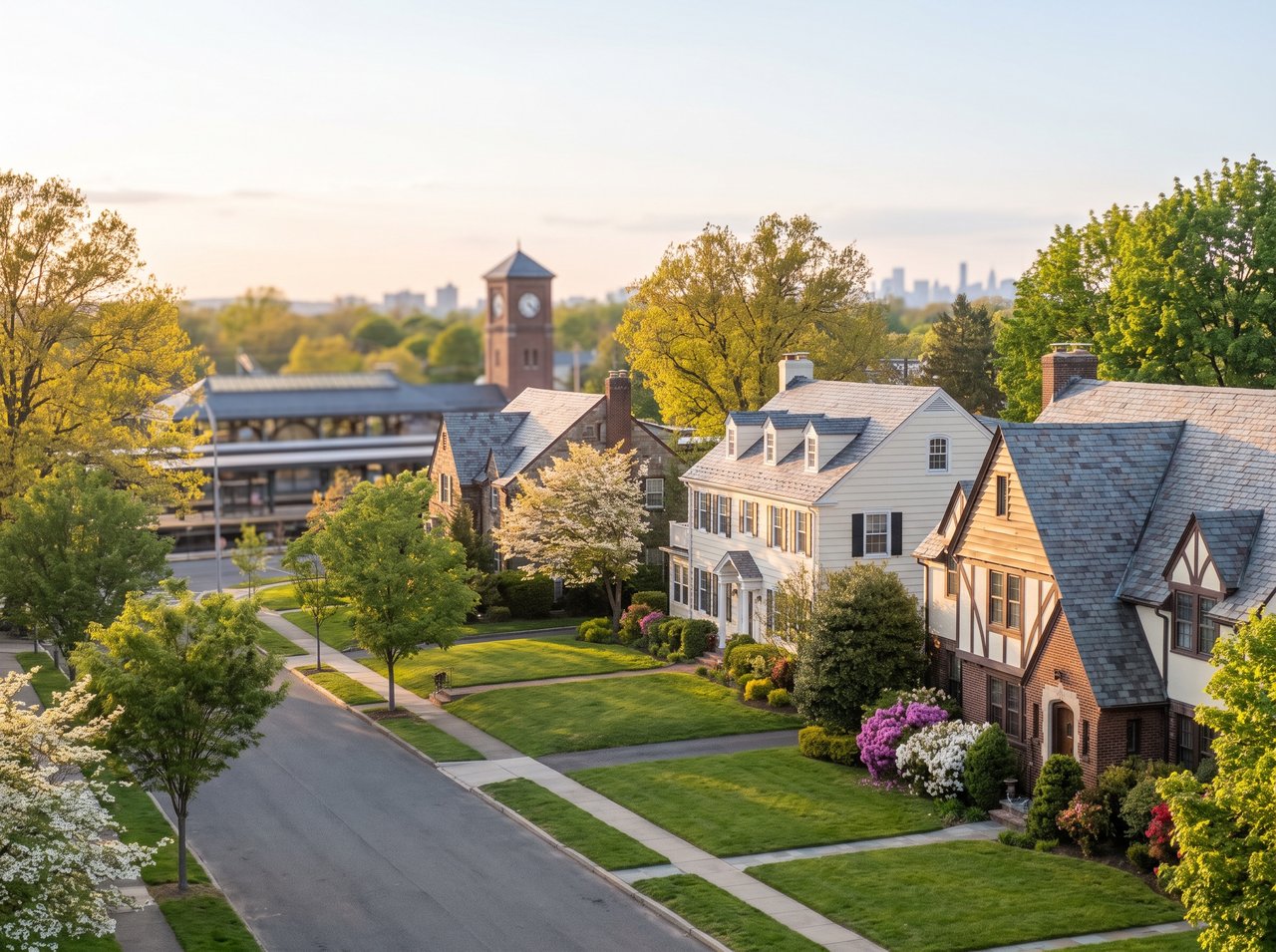
A practical guide for anyone considering a move to South Orange — covering train stations, jitney routes, parking, and how to match your commute to the right neighborh… Read more
Blog
For anyone considering a move to Northern NJ, or already here and wondering why the property tax bill hasn't sent them packing yet.
We are passionate about researching market stats, negotiating contracts, and helping our clients find and sell homes. The majority of our business comes from past clients and referrals from people who know our work.