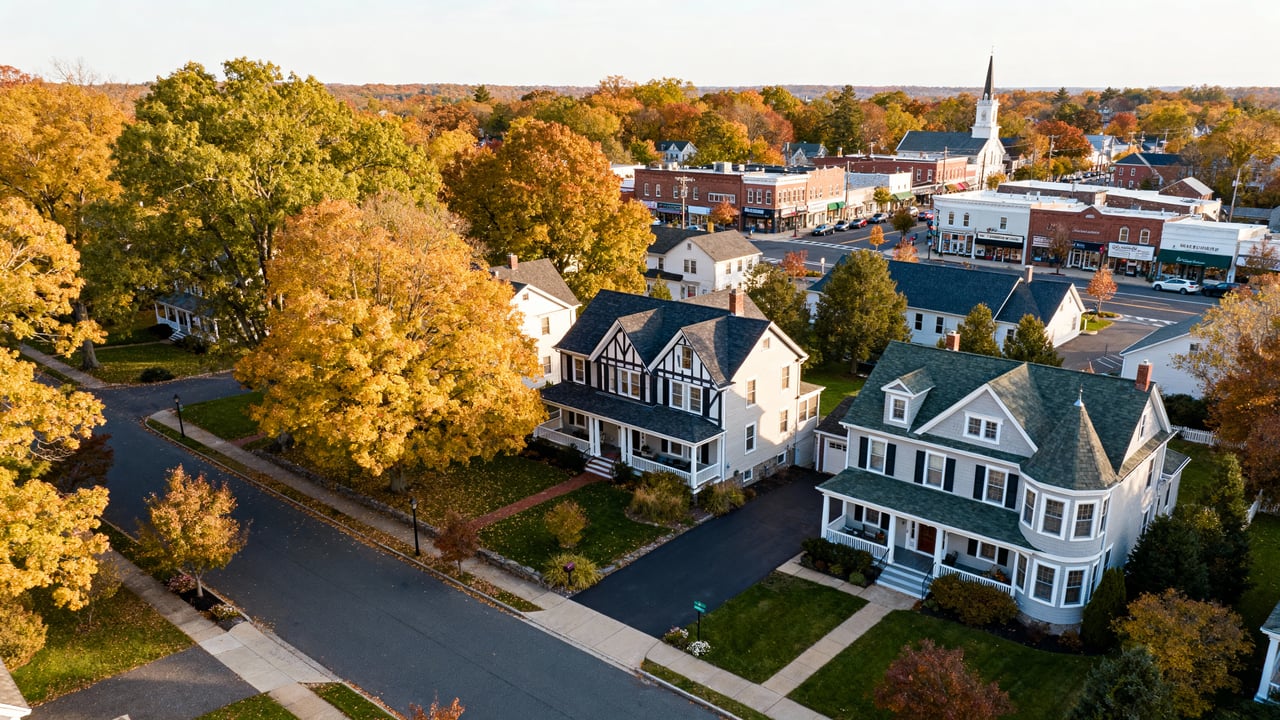
Northern New Jersey Housing Market 2026: A Stable New Reality
Real Estate December 29, 2025
Real Estate December 29, 2025
The 2026 housing market is not defined by extremes. Instead, it reflects a period of adjustment where movement returns, pricing steadies, and decision-making becomes more intentional, especially across Northern New Jersey.
After years of volatility, buyers and sellers in towns like Maplewood NJ, South Orange NJ, Montclair NJ, Short Hills, Millburn NJ, Summit NJ, Westfield NJ, Madison NJ, Chatham NJ, and Morristown NJ are entering a market that feels more predictable, but not passive. Opportunity still exists, but it favors those who understand local conditions rather than national headlines.
Concise answer: More homes are expected to sell, while prices remain relatively steady.
The biggest shift heading into 2026 is not a dramatic rise or fall in values. It is the return of activity. Over the past several years, many homeowners delayed moves due to uncertainty and financing concerns. That caused limited inventory and distorted normal market behavior.
As confidence improves, more homeowners are choosing to move forward. This creates a market that functions more normally, with listings coming on, buyers engaging, and transactions closing without the urgency that defined earlier cycles.
For Northern New Jersey, this means a healthier pace rather than a slowdown.
Short answer: Demand never truly left.
Unlike regions that experienced rapid population shifts, Northern New Jersey retained its buyer base. Proximity to New York City, established commuter rail lines, strong school districts, and walkable downtowns continue to anchor demand in towns like Millburn NJ, Short Hills, Summit NJ, and Montclair NJ.
Because inventory never expanded significantly here, even small increases in listings tend to be absorbed quickly. The result is a market that remains competitive, but more balanced than in recent years.
This is why outcomes vary so sharply by town. What feels slow in one region may still feel tight in Maplewood NJ, or Glen Ridge NJ.
How different Northern New Jersey towns compare for buyers
Direct answer: Pricing is expected to remain stable, with variation by neighborhood and price point.
In Northern New Jersey, price behavior is increasingly localized. Homes that are well-positioned, realistically priced, and aligned with buyer expectations continue to perform well. Properties that miss the mark adjust more quickly than they did during peak years.
This shift places greater emphasis on preparation, presentation, and pricing strategy rather than timing the market. Sellers who rely on past conditions often struggle. Sellers who adapt tend to succeed.
How sellers should prepare and position a home in today’s Northern New Jersey market
Short answer: Yes, but gradually.
Affordability pressures have eased because prices are no longer rising rapidly and buyers face less competition in many segments. While challenges remain, especially in high-demand towns, buyers now have more room to evaluate options and negotiate terms.
In areas such as Bloomfield NJ, West Orange NJ, and Morristown NJ, this often translates into fewer bidding wars and a more deliberate buying process. Buyers still need to act decisively when the right home appears, but the experience is less reactive than before.
Answer first: Mobility is unlocking.
Many homeowners who postponed selling are now reassessing their plans. Life changes such as downsizing, relocation, or changing household needs are outweighing hesitation.
In Northern New Jersey, this is particularly visible among long-term owners in Livingston, NJ, Short Hills, and Madison, NJ, who are considering their next chapter. These sellers are not rushing, but they are no longer waiting indefinitely.
This contributes to a gradual increase in listings rather than a sudden surge.
Short answer: These are homes waiting on confidence.
Shadow inventory includes properties that were previously listed and withdrawn or homes whose owners considered selling but decided to wait. In Northern New Jersey, many of these owners are closely watching conditions and re-enter when the timing feels right.
This matters because increased activity does not automatically mean oversupply. Many sellers also become buyers, keeping the overall balance intact. The market gains liquidity without losing stability.
Answer first: Local employment strength matters more than national averages.
Northern New Jersey benefits from diverse job sectors and continued demand from professionals tied to New York City. Higher-end markets such as Millburn NJ, Short Hills, and Summit NJ remain resilient, particularly among buyers less sensitive to short-term rate changes.
At the same time, entry-level and mid-range segments require sharper pricing and stronger positioning to succeed. The market is functioning, but it rewards precision.
Clear answer: Neither.
The 2026 market reflects normalization. Buyers have more choices. Sellers need a stronger strategy. Transactions continue, but without the emotional extremes of recent years.
For Northern New Jersey, this environment favors informed decision-making and local expertise over speculation.
For a deeper dive into the data and a clearer understanding of how national trends translate to Northern New Jersey neighborhoods, you can access the full Compass report here:
👉 Read the Full 2026 Housing Market Report
This report provides a broader context to help you evaluate timing, pricing, and strategy based on current conditions.
2026 is a year where outcomes depend less on luck and more on planning. Whether you are buying or selling in Maplewood, Montclair, Short Hills, Millburn, Summit, Westfield, Madison, Chatham, Morristown, Bloomfield, Glen Ridge, Livingston, or West Orange, understanding your specific market matters more than reacting to headlines.
If you are considering your next move and want guidance grounded in real Northern New Jersey market behavior, we are here to help.
Have questions? Email us at [email protected] for a personalized breakdown of what this forecast means for you.
Is 2026 a good year to buy a home in Northern New Jersey?
Yes. Buyers benefit from more stable conditions and clearer decision-making, especially with local guidance.
Will home prices drop in Essex or Union County?
Significant declines are unlikely in supply-constrained towns, though pricing accuracy is critical.
Are more homes coming on the market in 2026?
Yes, gradually, but not enough to overwhelm demand in Northern New Jersey.
Should sellers wait for rates to change before listing?
Most successful sellers focus on preparation and pricing rather than predicting rates.
Does local expertise really matter in this market?
More than ever. Market behavior varies block by block across Northern New Jersey.
Blog
For Northern New Jersey homeowners who want to understand what drives competitive offers, how listing prices influence buyer behavior, and what really determines a suc… Read more
Blog
For homeowners in Maplewood, South Orange, and Northern New Jersey who want to understand their property's value before selling, refinancing, or planning their next mo… Read more
Blog
A step-by-step guide for buyers navigating the post-contract period in Essex, Morris, and Union Counties

Blog
A straight-numbers look for buyers considering a purchase in Maplewood, Montclair, Summit, and surrounding towns — and what the math actually says about timing
Home Selling
A practical guide for buyers and sellers in Maplewood, South Orange, Montclair, Summit, Westfield, Chatham, and nearby Northern New Jersey towns.
We are passionate about researching market stats, negotiating contracts, and helping our clients find and sell homes. The majority of our business comes from past clients and referrals from people who know our work.