Thinking about buying or renovating a historic home in Montclair? The charm is undeniable, but so are the rules. Historic preservation adds real value to neighborhoods, yet it also shapes what you can change and how fast you can move. If you understand the basics early, you can plan your project, protect your budget, and keep your timeline on track. This guide walks you through what typically needs approval, how the review process works, and practical steps that Montclair buyers and owners can take to avoid surprises. Let’s dive in.
What counts as “historic” in Montclair
Local rules are what usually matter most. In Montclair, municipal historic preservation controls apply to properties located within locally designated historic districts or to individual local landmarks. If your property is locally designated, exterior changes that are visible from a public way are often regulated.
State and federal registers recognize significance, but they do not regulate private owners by themselves unless state or federal money, permits, or tax programs are involved. Local designation is typically the driver for homeowner review.
Interior work is usually outside the scope of the Historic Preservation Commission unless there are specific protections tied to interior features, which is rare for private residences. The safest assumption is that exterior work visible from the street is most likely to trigger review.
Changes that trigger approval
Work that usually needs a Certificate of Appropriateness
If your home is in a local historic district or is a local landmark, expect to seek formal approval for exterior changes like:
- Demolition or substantial removal of a structure or portion of it.
- New construction, including garages or other accessory buildings visible from public ways.
- Additions that change the roofline or bulk visible from the street.
- Replacement of windows and doors when design, material, or profile will change.
- Exterior cladding changes, such as removing wood siding and installing vinyl or aluminum.
- Roof material changes on primary façades, or changes to dormers or cornices.
- Masonry cleaning, repointing, or repairs that alter the appearance of mortar or masonry.
- Fences, walls, gates, and significant visible landscaping changes in some districts.
- New signage and exterior lighting on commercial or mixed-use properties.
When in doubt, ask the Township if your scope requires a Certificate of Appropriateness.
Work that may be exempt or handled administratively
Some work is often exempt or eligible for a faster, staff-level approval. Common examples include:
- Routine maintenance and in-kind repairs that do not change materials, design, or appearance.
- Interior renovations that do not affect the exterior.
- Painting that keeps a similar color may be exempt in many places, though some districts require review for color changes on primary façades.
- Emergency stabilization after damage, as long as you notify the Township and complete follow-up approvals as required.
Exemptions vary by ordinance and by district. Always confirm with Montclair staff before starting work.
How the review process works
Step-by-step overview
- Pre-application conversation. Meet with planning or HPC staff to review your scope. They can confirm if you need a COA or just a building permit and suggest ways to streamline your submittal.
- Prepare your application. Include current photos, scaled drawings, materials and product specs, color samples for paint if required, and a clear narrative explaining what you will change and why.
- Submission and completeness check. Staff will verify that your packet is complete and may request more information.
- Public notice and HPC agenda. Applications that require a COA are scheduled for an HPC meeting. Notices may go to neighbors or be published, based on local rules.
- HPC review and decision. The Commission may approve, approve with conditions, deny, or request modifications. Conditions often relate to specific profiles, materials, or techniques.
- Building permits. Once approved, apply for building and trade permits. All work must meet your COA conditions.
- Final compliance. After construction, staff or the HPC may check the finished work for compliance.
Timelines you can expect
- Minor administrative approvals or in-kind repairs: about 1 to 4 weeks.
- Standard COA for routine exterior work like windows, siding, or small additions: about 4 to 12 weeks, including prep, scheduling, and permit coordination.
- Demolition, large additions, or complex new construction: about 3 to 6 months or longer, since these can involve full design review and additional hearings.
- Emergency repairs: you can stabilize immediately, then follow up with required documentation and approvals.
Keep in mind that many commissions meet monthly. Missing an agenda cutoff date can add 2 to 4 weeks to your timeline.
What to include in your application
- Site plan and property deed or plat.
- Photos of all elevations and context photos of the streetscape.
- Scaled elevation drawings and floor plans as needed.
- Product specs and material samples for windows, siding, roofing, trim, and railings.
- Color chips for paint changes if required.
- A narrative describing the scope, methods, and rationale. Reference the Secretary of the Interior’s Standards when relevant.
- Contact information for your architect and contractor, and proof of permits or insurance if requested.
Plan your project without surprises
Before you buy in Montclair
- Confirm whether the property is in a local historic district or designated as a local landmark. Ask planning staff or review the Township’s resources.
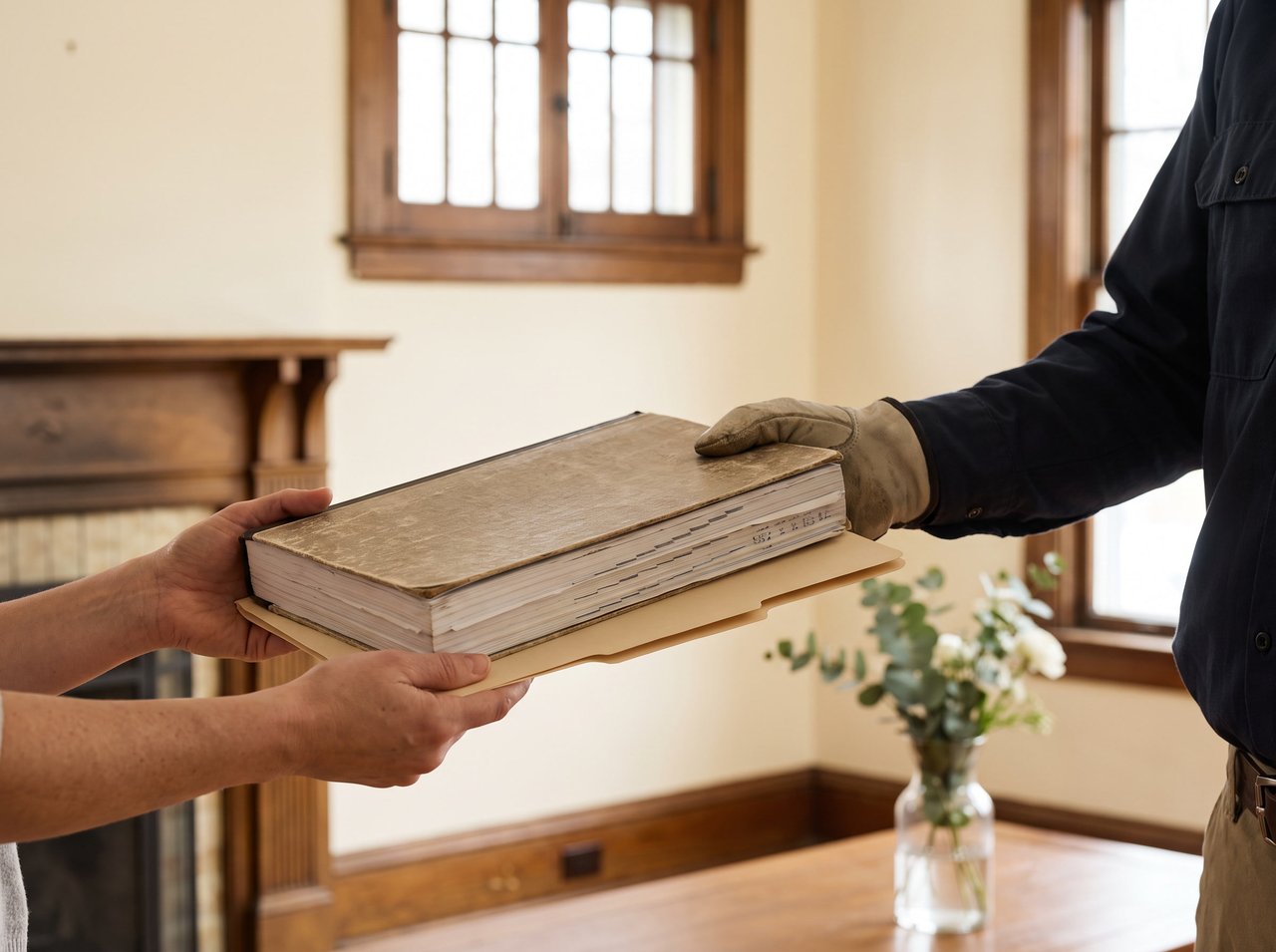
- Request the property file. Ask for past Certificates of Appropriateness, permit history, and any conditions tied to prior approvals.
- Look for preservation easements or deed restrictions that could affect maintenance and alterations.
- Build review time into your closing and renovation plan. Historic-appropriate materials and approvals may add time and cost.
Design and procurement tips
- Hire an architect or contractor with historic experience. Local experience with Montclair’s HPC is ideal.
- Choose materials and details that align with the Secretary of the Interior’s Standards for Rehabilitation. Historically appropriate designs tend to move faster.
- Phase your work. Secure the COA first, permits second, then sequence interior and exterior work to minimize downtime.
- Budget for specialty items. You may need custom window profiles, slate roofing, masonry specialists, or custom millwork.
During the application
- Request a pre-application meeting to flag issues early.
- Provide complete documentation. Incomplete submittals are a common cause of delay.
- Talk with neighbors if your project affects the streetscape. Community support can help.
- Respond promptly to staff requests for additional details.
During construction and closeout
- Keep your COA and permits on site for inspectors.
- If you need to change something that affects the approved scope, pause and seek a supplemental approval.
- If emergency work is needed, notify the Township right away and follow the required steps for after-the-fact review.
Costs, enforcement, and incentives
Enforcement and penalties
Montclair can use stop-work orders, fines, and requirements to restore unapproved alterations. Demolition without proper approval can trigger a demolition delay and further legal action. Keep communication open with staff and follow your COA conditions closely.
Budget and cost factors
Preservation-grade work can cost more than standard renovations. Expect longer lead times and higher material or labor costs for items like custom windows, slate roofing, and careful masonry work. Plan for application fees and, in some cases, third-party studies or consultant support.
Incentives and tax credits
Federal historic rehabilitation tax credits are generally limited to certified projects on income-producing properties. Most private single-family homes do not qualify. State or local grants and loan programs may be available at times, but availability and rules change. Check with New Jersey’s State Historic Preservation Office and Montclair’s staff for current options before you count on an incentive.
Key terms to know
- Local Historic District. A mapped area designated by the Township where exterior changes are regulated.
- Local Landmark. An individual property with local historic designation.
- Certificate of Appropriateness. Formal approval from the local commission for proposed exterior changes.
- Contributing vs. Non-contributing. A contributing building adds to a district’s historic character. A non-contributing one does not.
- Secretary of the Interior’s Standards. Widely used guidelines for making changes to historic buildings.
- Demolition Delay. A mechanism that pauses demolition to explore alternatives.
- Administrative Approval. Staff-level approval for minor or clearly compliant projects.
- Historic Preservation Easement. A legal agreement that restricts changes to protect historic features.
Smart next steps
- Verify your status. Confirm if your address is in a local district or is a local landmark.
- Review your property history. Ask the Township for past approvals and permits, including any conditions.
- Plan your scope. Decide what you want to change, then get early feedback from staff.
- Build your team. Hire an architect and contractor with historic experience and gather material samples early.
- Protect your timeline. Align your home search, closing, and construction plan with realistic review windows.
If you are buying or selling a historic home in Montclair, you do not have to navigate this alone. The neighborhood experts at Allison Ziefert Real Estate Group can connect you with trusted local vendors, help you structure timelines, and guide you through a smooth, confident move.
FAQs
How do I know if my Montclair home is regulated?
- Check if your property is in a locally designated historic district or is a local landmark by contacting Montclair’s planning staff and reviewing Township resources.
Do I need approval to replace my windows in a historic district?
- If the windows are visible from the street and the replacement changes material, design, or profile, a Certificate of Appropriateness is often required.
Are paint colors regulated for historic homes in Montclair?
- Many places do not regulate routine repainting with similar colors, but some districts review color changes on primary façades, so confirm with the Township first.
How long can historic review add to my project timeline?
- Routine exterior projects often take about 4 to 12 weeks for review and permits, while major additions or new construction can take several months.
What happens if I start exterior work without approval?
- You risk stop-work orders, fines, and a requirement to restore unapproved changes, and unauthorized demolition can trigger a demolition delay.
Are there tax credits for renovating a single-family historic home?
- Federal tax credits generally apply to income-producing certified projects, not most private residences, so check current state or local programs before you budget.