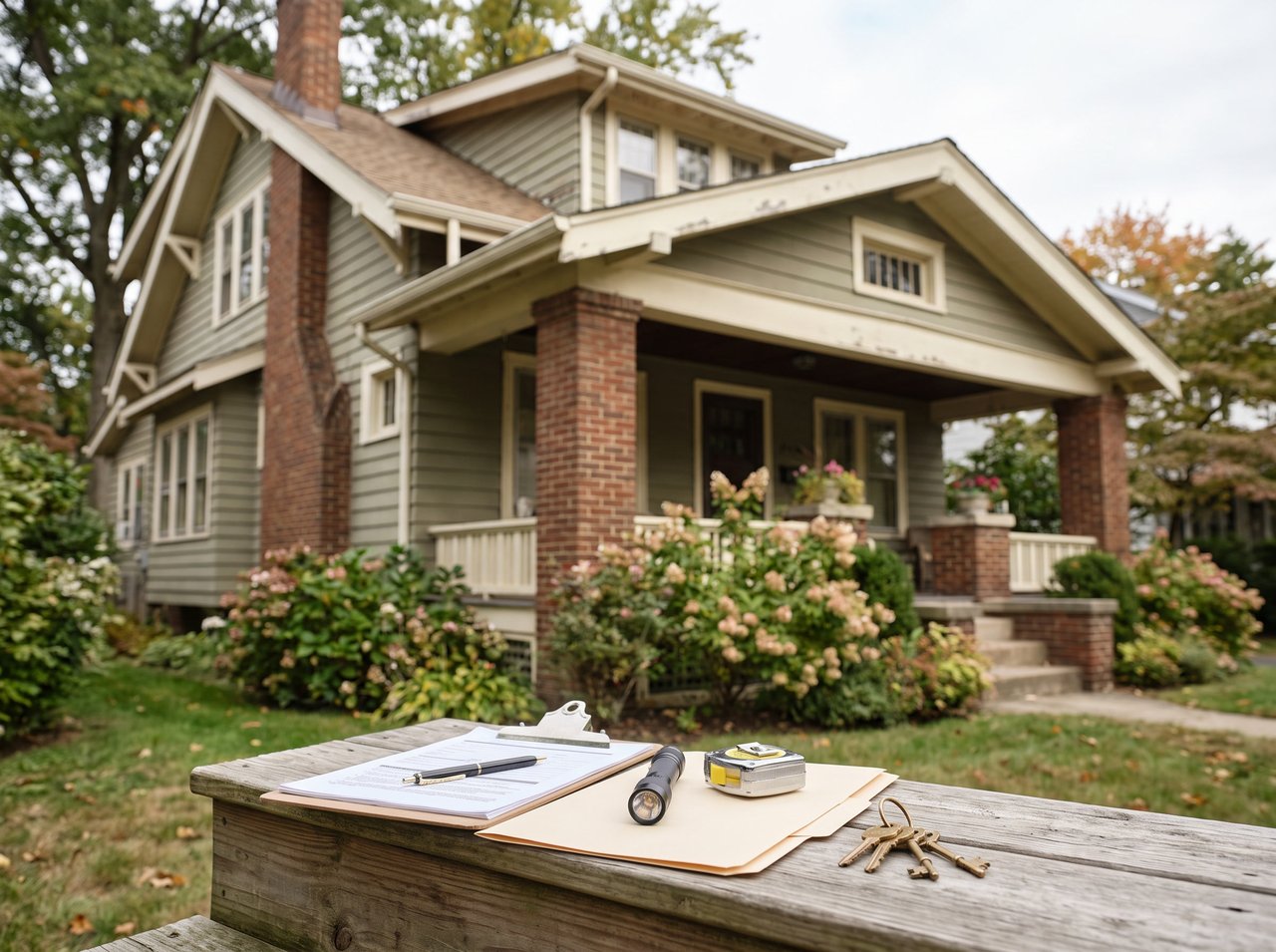
Planning an addition or dormer in Millburn or Short Hills? Before you sketch anything, two small acronyms can shape your entire project: FAR and lot coverage. If you’re like most homeowners, these rules can feel opaque and stressful when all you want is more usable space. This guide breaks down what these terms mean, how they affect common projects, and the steps to move forward with confidence. Let’s dive in.
What FAR means in Millburn
Floor Area Ratio (FAR) is the ratio of your home’s total gross floor area to your lot size. In plain terms, FAR governs how much enclosed, usable building area you can create relative to your property. Additions, finished attics, and some enclosed porches can push your FAR upward.
Local definitions control what counts in “floor area,” so it’s essential to confirm the Township’s exact wording before you design. Your architect and the Zoning Officer can clarify whether basements, garages, and attic spaces are included or excluded in your specific case.
What typically counts in FAR
- New conditioned space, like first- or second-floor additions.
- Dormers that increase headroom and create usable floor area.
- Enclosed porches and sunrooms.
- Garage conversions if they become conditioned living space.
- Some basements, depending on local rules and how “below grade” is defined.
Common FAR mistakes
- Forgetting to include finished basements or enclosed porches in calculations.
- Assuming attic or loft space is excluded without checking headroom rules.
- Relying on tax assessor square footage instead of a current survey and plans.
Lot coverage vs. impervious coverage
Lot coverage limits how much of your lot can be covered by buildings. Many towns also regulate impervious coverage, which includes hard surfaces like driveways, patios, and pools. Both numbers shape how big an addition footprint can be and how much outdoor hardscape is allowed.
- Building coverage: The ground-level footprint of your house and accessory buildings.
- Impervious coverage: All hard surfaces that reduce water infiltration, such as patios, walks, and driveways.
How coverage affects projects
- Single-story additions increase building coverage directly.
- Detached garages add to building coverage and must meet accessory standards.
- Large patios or expanded driveways affect impervious coverage if regulated.
- Enclosed porches count toward both FAR and building coverage; open porches and decks often affect coverage but not FAR.
Setbacks and height: your buildable envelope
Setbacks are the minimum distances between structures and property lines. They shape the “box” where you can build, no matter what FAR or coverage allows. Height rules also cap how tall your addition can be, which matters for dormers and second-floor expansions.
Even if your FAR leaves room for more interior space, a required side or rear setback can limit where you place an addition. Height caps can also influence rooflines and dormer design.
How the rules apply to common projects
Additions
- Confirm your existing floor area and lot area using a current survey.
- Pull the zoning district standards for FAR, lot coverage, setbacks, and height.
- Have your architect test several layouts to fit the buildable envelope.
- If any standard is exceeded, a variance application may be needed.
Dormers and second floors
- Dormers that turn low attic areas into usable rooms typically increase FAR.
- Check height limits and how the township measures building height.
- Plan for adjusted stairs, egress, and any structural changes that may affect the exterior envelope.
Garages and conversions
- Detached garages follow accessory structure rules on size, setbacks, and height.
- Converting an attached or detached garage to living space generally increases FAR and can impact required parking.
- Be prepared to show compliance on both coverage and setbacks.
Porches, decks, and patios
- Enclosed porches typically count toward FAR; open porches and decks may not.
- Many patios and walkways affect impervious coverage.
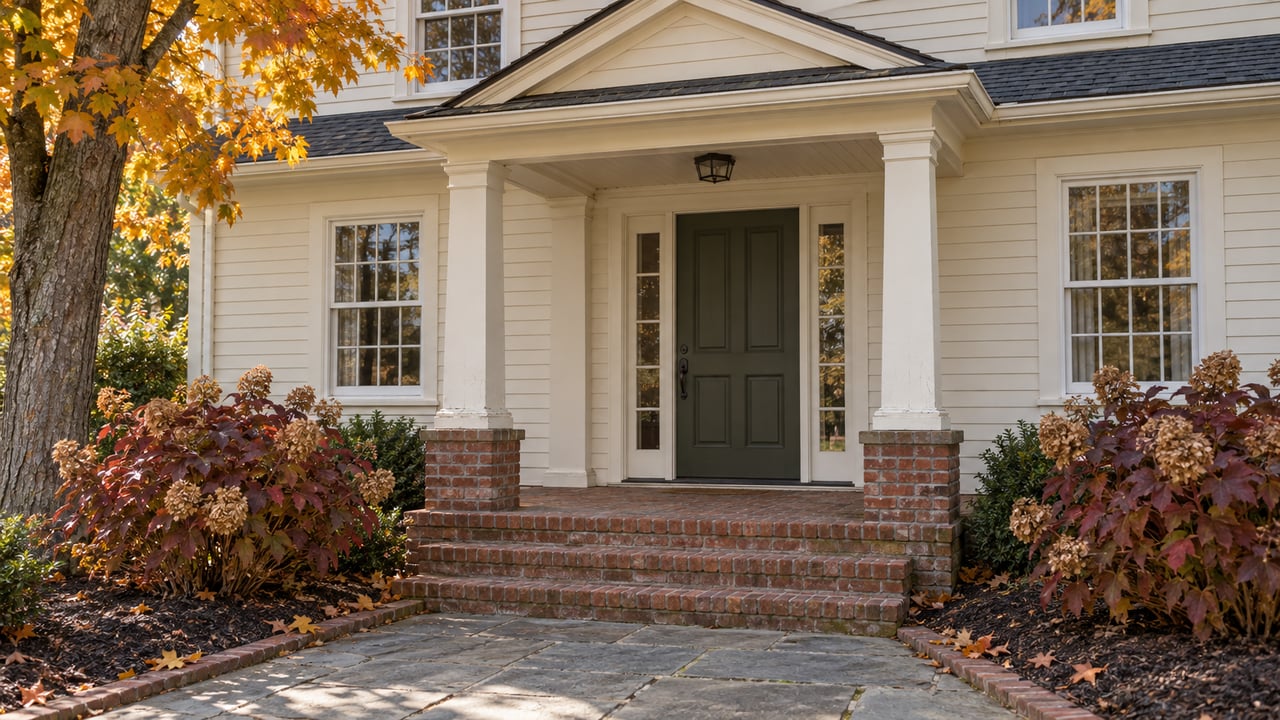
- Covered front porches can improve curb appeal but still must meet setbacks.
Basement finishes
- Some towns exclude basements from FAR if they are below grade and meet specific criteria; others include finished basements.
- Ask the Zoning Officer how Millburn treats your specific basement conditions before you design.
Illustrative calculation example
Label this as an example only. Use Millburn’s actual numbers for a real property.
- Lot area: 10,000 square feet.
- District FAR: 0.25.
- Maximum gross floor area: 10,000 × 0.25 = 2,500 square feet.
- If your existing floor area is 2,200 square feet, you have 300 square feet of additional floor area before a variance could be triggered.
- If the same district allows 25% lot coverage, your maximum building footprint is 2,500 square feet. If your existing footprint is 2,150 square feet, your single-story footprint growth is limited before you hit coverage.
Always verify the actual FAR, coverage, and measurement definitions for your specific Millburn zoning district.
Where to find official Millburn rules
- Millburn Township Zoning Ordinance or Land Use Code for definitions and standards.
- Millburn Township Zoning Map to confirm your zoning district and any overlays.
- Land Use and Building Departments for interpretations, checklists, and application forms.
- Zoning Board of Adjustment and Planning Board agendas, minutes, and resolutions for precedent.
- Essex County GIS and tax maps for lot area and parcel boundaries.
- New Jersey Municipal Land Use Law for variance procedures and standards.
Your step-by-step plan
- Get your groundwork in order
- Order a current property survey signed by a New Jersey surveyor.
- Pull your deed and check for easements or restrictions.
- Confirm your zoning district and pull the zone schedule.
- Ask the Zoning Officer whether the property is nonconforming or in any overlay.
- Design smart with your architect
- Calculate existing and proposed FAR and coverage using local definitions.
- Test alternative layouts to fit setbacks and height.
- Identify whether you’ll need a variance and outline a strategy if so.
- Prepare your application
- Typical submittals: sealed survey, site plan, floor plans, elevations, and any stormwater calculations.
- If a variance is required, add a clear justification and supporting materials.
- Expect zoning and building code review, then inspections during construction.
Timelines, fees, and professionals
- Administrative permits for conforming projects can take weeks to a few months, depending on completeness and workload.
- Variance applications often take 2 to 4 months from filing to a decision, sometimes longer if multiple hearings are needed.
- Fees vary by application type, and variance routes usually require higher fees and escrows for board and consultant review.
- Budget for an architect, surveyor, and possibly an engineer or attorney for variance hearings.
- Inspections occur during construction, and a final Certificate of Occupancy is generally required before using new space.
Tips to avoid delays
- Start early with a survey and a pre-application conversation with the Zoning Officer.
- Do not rely on assessor square footage; use measured plans and the ordinance definitions.
- Keep the design flexible. Consider shifting area upstairs or using open porches and decks to manage FAR and coverage.
- Watch for easements, shared driveways, or conservation restrictions that can change your layout.
Working with neighbors
Proactive communication can reduce hearing surprises. Share clear plans, listen to feedback, and consider minor tweaks that address reasonable concerns. When neighbors understand your project, hearings often run smoother.
Ready to move forward?
If you’re weighing an addition, dormer, or garage in Millburn or Short Hills, you don’t have to navigate zoning alone. Our team connects you with trusted local architects, explains your options, and helps you plan a clear path from idea to approval. Reach out to the Allison Ziefert Real Estate Group for neighborhood-savvy guidance tailored to your property and goals.
FAQs
What is FAR and how do I calculate it in Millburn?
- FAR is total gross floor area divided by lot area; use a current survey and Millburn’s definitions to determine what counts as floor area before designing.
Do finished basements count toward FAR in Millburn?
- It depends on local definitions; ask the Zoning Officer whether your below-grade conditions and finishes make the basement count toward FAR.
What’s the difference between lot coverage and impervious coverage?
- Lot coverage tracks building footprints, while impervious coverage includes hard surfaces like driveways and patios; both can limit additions and hardscape.
Do dormers require a variance in Short Hills/Millburn?
- Not always; dormers that add usable floor area can increase FAR or affect height, and a variance is needed only if you exceed a standard.
Can I build a detached garage on my property?
- Often yes, but you must meet accessory structure rules for size, setbacks, and height, and ensure coverage limits are not exceeded.
How long does a zoning variance take in Millburn?
- Many applications take about 2 to 4 months from filing to a board decision, with timelines affected by hearing schedules and revisions.
Do I need a survey for a small addition?
- Yes; a current, signed survey is essential for accurate FAR, coverage, and setback calculations and is typically required for applications.