Explore Walkable Montclair Neighborhoods Near Arts & Shops
April 2, 2026
April 2, 2026
If you want a suburb where you can grab coffee, browse a bookstore, catch a film, and still get to the train on foot, Montclair should be on your radar. Many buyers are looking for that sweet spot between city energy and suburban breathing room, and Montclair stands out because it delivers that lifestyle in a few very distinct pockets. Here’s how walkable Montclair living works, where you’ll feel closest to shops and arts, and what to know as you compare your options. Let’s dive in.
Montclair often gets described as an "urban-lite" suburb, and that label fits for a reason. The township identifies locations for commercial, housing, and mixed-use development in its Master Plan, and its planning approach puts real emphasis on pedestrian-friendly streets.
That matters in day-to-day life. Montclair is not one single downtown surrounded by purely residential blocks. Instead, it functions more like a collection of village centers, each with its own rhythm, shops, dining, and access to neighborhood streets.
The township also identifies six business and shopping districts, with Bloomfield Avenue serving as a primary activity corridor. Planning language around downtown highlights wide sidewalks, street trees, outdoor cafés, pedestrian signals, and limited front-loaded surface parking, all of which help create a more comfortable walking experience.
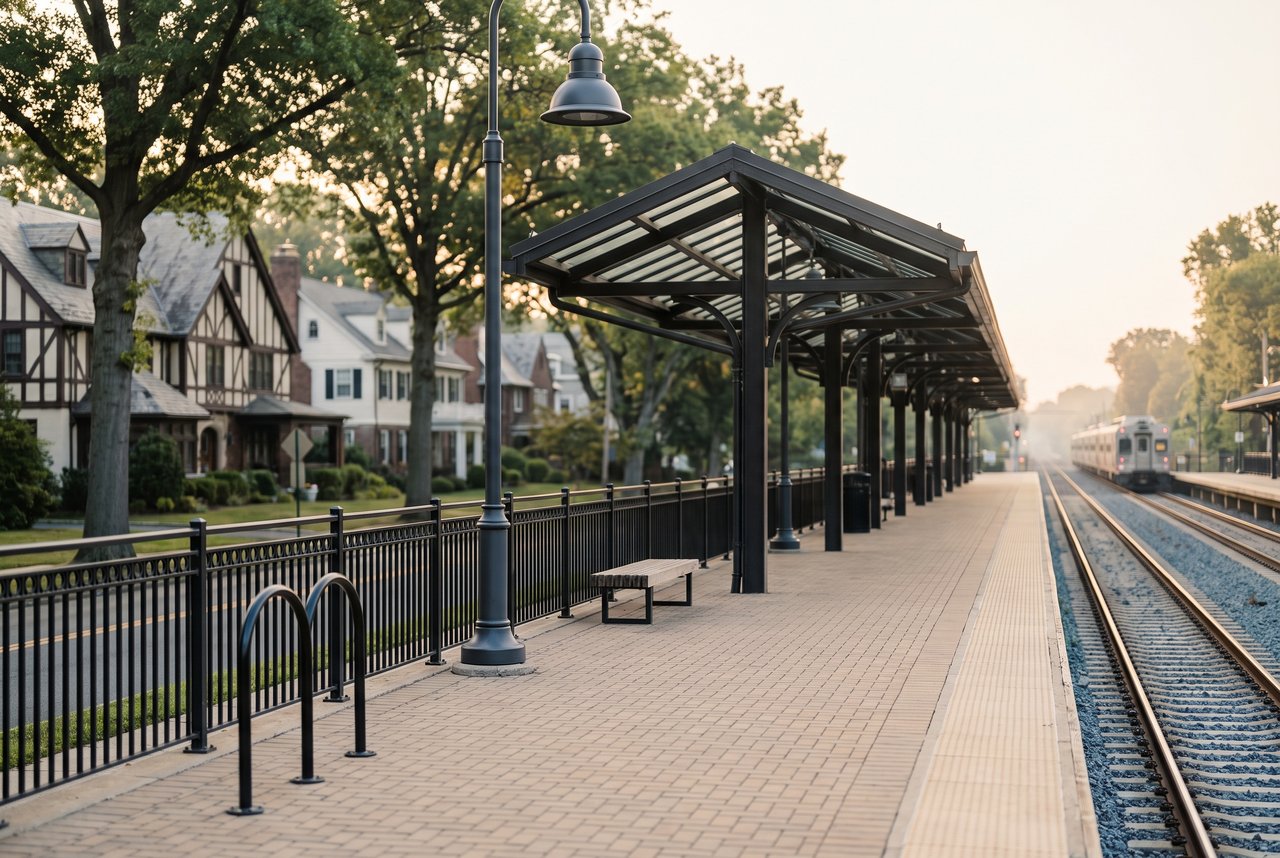
Rail access adds another layer of convenience. NJ TRANSIT service on the Montclair-Boonton Line connects stations at Bay Street, Walnut Street, Watchung Avenue, and Upper Montclair, reinforcing the idea that in some parts of town, you can combine errands, dinner, and commuting without needing a car for every stop.
If your top priority is being near the biggest concentration of shops, restaurants, and cultural destinations, Montclair Center is the strongest fit. Montclair Center represents more than 400 retailers and restaurants, and the township points to the district as home to arts and entertainment anchors including the Montclair Art Museum, a concert venue, a cinema, and hundreds of cafés and shops.
This is the part of Montclair that feels most like a traditional downtown. If you picture stepping out for dinner, seeing a movie, running errands, and walking home through a lively commercial district, this area offers the closest match.
It is also the most concentrated version of walkability in town. That means convenience is high, but so is competition for homes near the core.
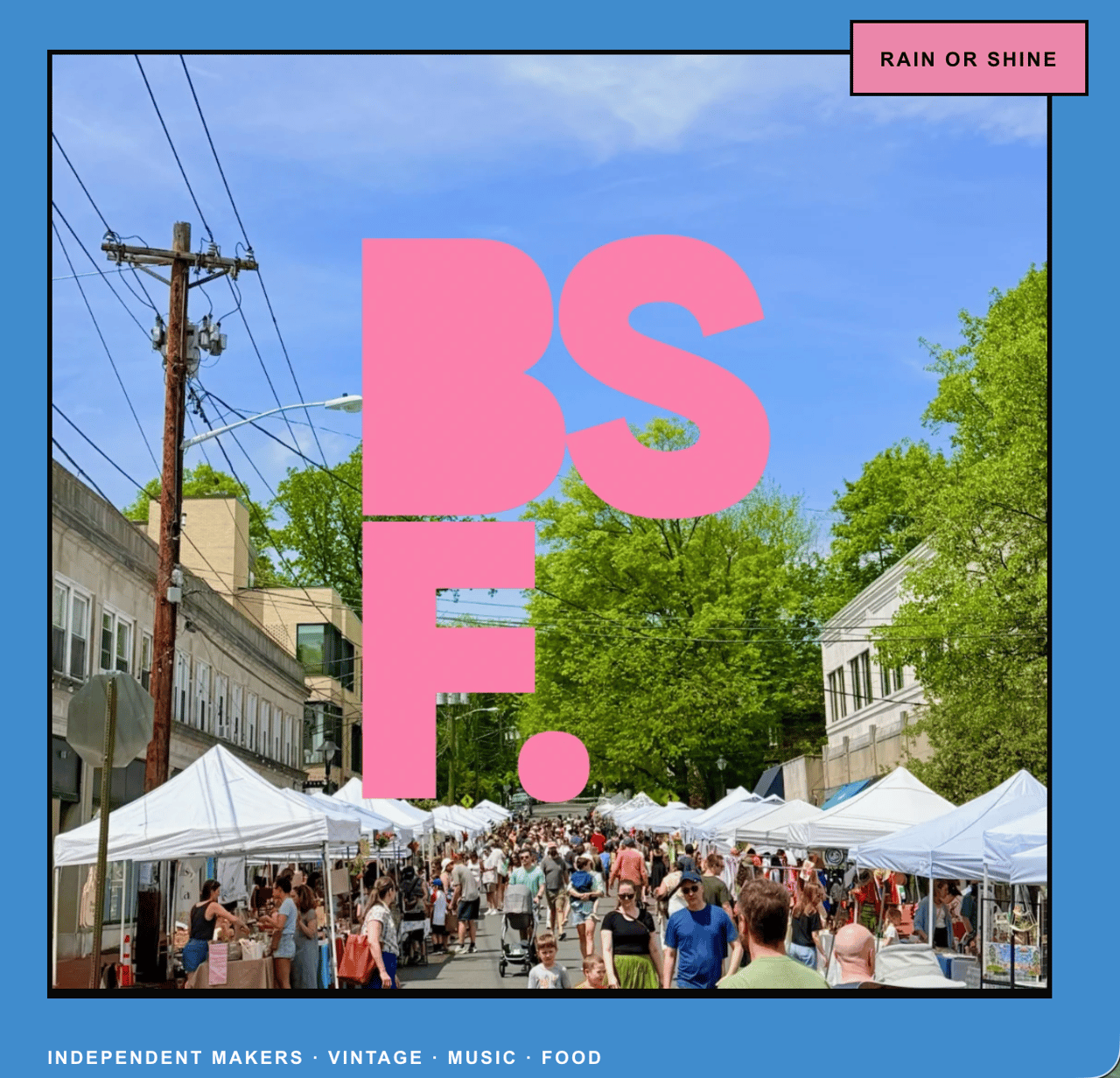
Walnut-Grove offers a smaller, more station-centered version of walkable living. According to the township’s district overview, this area includes galleries, artisan bakeries, restaurants, and the seasonal Montclair Farmers Market, held Saturdays from June through November in the Walnut Street train station parking lot.
The feel here is more village-like than downtown. You may not have the same scale as Montclair Center, but you do get a daily rhythm that can include coffee, a train commute, a dinner spot, and a local market stop, all in a compact area.
For many buyers, this balance is the appeal. It feels active and convenient without being the busiest part of town.
Watchung Plaza is another strong option if you want a classic neighborhood commercial district. The township highlights an independent bookstore, neighborhood shops, restaurants, and a coffee house, while the historic district description frames the area as an early 20th-century shopping center built around the rail station.
Its scale shapes the experience. With mostly one- and two-story commercial buildings, Watchung Plaza feels intimate and familiar rather than dense or fast-paced.
If you want walkability with a quieter village character, this area deserves a close look. It tends to appeal to buyers who want convenience close by but do not need a larger downtown scene outside their front door.
Upper Montclair combines walkability with a polished village-center atmosphere. The township describes Tudor-style shops and restaurants along with a local cinema showing mainstream and independent films, and the historic district page notes that the corridor has served as a central commercial and business district for more than 100 years.
This area often appeals to buyers who want a walkable setting that still feels distinctly residential nearby. The buildings are generally one to two stories, with retail at street level and some commercial or residential use above, which helps preserve a neighborhood scale.
If Montclair Center feels a little too busy for your taste, Upper Montclair may offer a better fit. You still get shops, dining, and culture, but with a slightly calmer tone.
The South End is the quieter choice among Montclair’s walkable pockets. The township describes it as an area with small shops and restaurants, and it is also home to the MLK Peace Garden.
This is not the most retail-heavy district in town, and that is exactly why some buyers like it. You can still enjoy a neighborhood-scale commercial strip while living in a setting that feels more understated.
For buyers who want some walkability without centering their entire lifestyle around a busier downtown, South End can be worth exploring.
One reason Montclair stands apart is that its arts scene is woven into everyday life. Experience Montclair notes that the township’s Master Plan requires art in new development and points to public art, galleries, and installations throughout town, including near Bay Street Station and the Wellmont Theater.
That creates a different feel from a suburb where culture is limited to the occasional special outing. In Montclair, the arts can be part of your regular routine, whether you are heading to dinner, walking to the station, or spending a weekend afternoon nearby.
The town also has several established arts anchors. The Montclair Art Museum opened in 1914, holds more than 12,000 objects, and offers classes and guided tours, making it a recurring destination rather than a one-time stop.
Downtown, The Clairidge adds another layer to the local experience as a nonprofit cinema, while the Wellmont Theater serves as a major concert venue. Together, these places help explain why "going out" in Montclair can feel easy and repeatable, not like a major production.
Montclair’s walkable appeal is supported by a varied housing mix. The township’s zoning framework includes one-family, two-family, multifamily, office-residential, and several commercial districts with limited residential use, which helps explain why walkable living is possible here without making the town feel overly dense.
Near the commercial cores, you will find a mix of apartments, historic mixed-use buildings, and more traditional suburban housing on surrounding streets. That gives you more than one way to access a walkable lifestyle depending on your budget, space needs, and preferred pace of life.
The township also points to multiple mixed-income and affordable housing examples in and near the walkable core, including Valley & Bloom, Montclairion, The Vestry, The Westerly, Two South Willow, The Clair, Siena at Montclair Center, and Bay Street Commons, as listed on its rental and housing resources page.
For buyers, the big takeaway is simple: walkability in Montclair does not mean one housing type. You may find apartment-style living near a station, a mixed-use building close to shops, or a more traditional house just beyond a commercial district.
Montclair consistently sits in a higher-value market segment, especially near its most established walkable centers. The research report shows recent market snapshots with median pricing varying by source and geography, including Montclair Center at $1.6M, Upper Montclair at $864,000, and South End at $769,500.
While exact figures shift over time, the pattern is useful. The most convenient, most walkable areas often command a premium, particularly when they combine access to dining, arts, and transit.
That said, the town’s range of housing types can still create meaningful differences from one district to another. If walkability matters to you, it helps to define what kind you want: full downtown energy, station-area convenience, or a quieter neighborhood strip.
The best walkable area in Montclair depends on how you want your days to feel. A buyer who wants the highest concentration of restaurants, shopping, and entertainment may feel most at home in Montclair Center, while someone who prefers a smaller village rhythm may lean toward Walnut-Grove, Watchung Plaza, or Upper Montclair.
It also helps to think beyond a simple "walkable or not" checklist. Consider whether you want to be near a train station, whether arts and entertainment are part of your weekly routine, and how much day-to-day activity feels energizing versus overwhelming.
Montclair really shines for buyers who want a city-adjacent lifestyle without giving up tree-lined residential streets and a more suburban housing mix. If that sounds like your goal, comparing these micro-locations carefully can make all the difference.
If you are thinking about buying or selling in Montclair and want help narrowing down which walkable area best matches your lifestyle, connect with Allison Ziefert Real Estate Group. Their local, neighborhood-first guidance can help you make a confident move in one of Northern New Jersey’s most dynamic markets.
Real Estate
Blog
A practical guide for anyone considering a move to South Orange — covering train stations, jitney routes, parking, and how to match your commute to the right neighborh… Read more
Blog
For anyone considering a move to Northern NJ, or already here and wondering why the property tax bill hasn't sent them packing yet.
Blog
A mid-2026 status check for anyone buying, selling, or just curious about home values in these two Essex County communities
Blog
A practical seller's guide for homeowners in Essex, Morris, and Union Counties planning to list between September and November
We are passionate about researching market stats, negotiating contracts, and helping our clients find and sell homes. The majority of our business comes from past clients and referrals from people who know our work.