Short Hills vs Millburn: Which Town Fits Your Move Best?
May 28, 2026
May 28, 2026
Trying to choose between Short Hills and Millburn? You are not alone, and the answer is not as simple as picking the “better” town. Since Short Hills is actually a distinct neighborhood within Millburn Township, many buyers are really weighing two different lifestyles inside the same community. If you are deciding where your next move fits best, this guide will help you compare pricing, housing, walkability, commuting, and day-to-day feel so you can focus on what matters most to you. Let’s dive in.
A key detail often gets lost in this comparison: Short Hills is not a separate municipality. It is a census-designated place and well-known neighborhood within Millburn Township, which also includes Millburn and other sections of town.
That matters because some of the biggest basics are shared. Both Short Hills and Millburn fall within Millburn Township, and both are served by Millburn Township Public Schools. For many buyers, that means the decision is less about township-wide services and more about lifestyle, housing style, and how you want your daily routine to feel.
When you hear someone ask, “Should I move to Short Hills or Millburn?” they are usually comparing two different living experiences. In broad terms, Millburn tends to offer more walkability and a wider mix of housing near the downtown core, while Short Hills tends to offer larger lots, lower-density surroundings, and a more secluded residential setting.
That distinction shows up in township planning documents and in how the areas function on the ground. Short Hills is made up of several smaller enclaves, including Knollwood, Glenwood, Brookhaven, Country Club, Merrywood, Deerfield-Crossroads, Mountaintop, White Oak Ridge, and Old Short Hills Estates. In other words, neither side is one single, uniform market, and your experience can vary a lot by street and section.
Millburn Township planning materials describe the township as predominantly single-family, with about 70% of parcels in that category. Even so, the housing mix is not exactly the same across the township.
If you are looking for options beyond a traditional single-family house, Millburn may give you more to consider. Township planning documents indicate that non-single-family housing is generally preferred near downtown and near the train station, and current inventory patterns also support the idea that condos, townhomes, and multi-family options are more likely to appear in the broader Millburn core.
That can be especially appealing if you want a lower-maintenance property, a smaller footprint, or closer access to shops, services, and transit. It also gives some buyers more flexibility when balancing budget, space needs, and commute priorities.
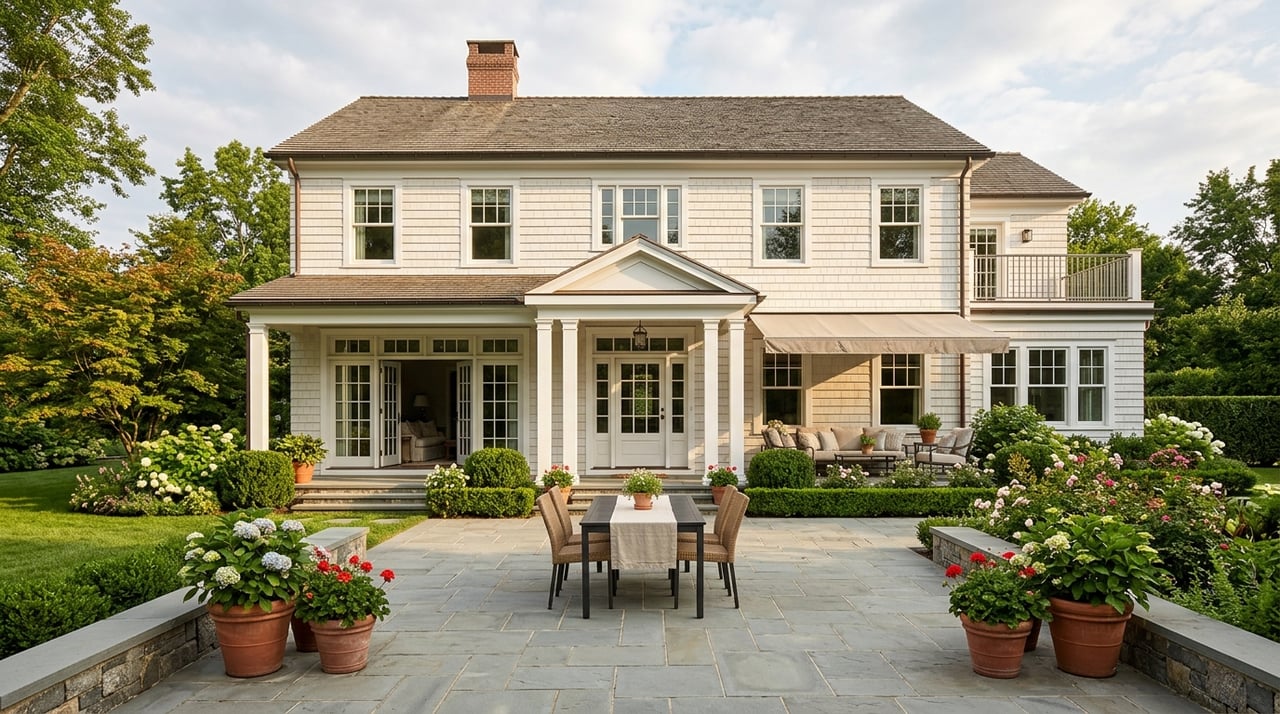
Short Hills tends to have larger lots, lower-density development, and stronger retention of mature trees, according to township planning materials. For many buyers, that translates into more privacy, more yard space, and a more estate-oriented setting.
If your wish list includes a quieter street feel, more separation between homes, or a more tucked-away residential environment, Short Hills often lines up well with those goals. The tradeoff, in many cases, is less walkability and a greater reliance on the car for everyday errands.
Price is one of the clearest differences between the two. On both broad housing value data and current market snapshots, Short Hills typically sits above the township average.
Census QuickFacts show a median owner-occupied housing value of $1,674,100 in Short Hills, compared with $1,371,500 in Millburn Township. The owner-occupied rate is also higher in Short Hills at 86.5%, compared with 81.3% in Millburn Township.
Current sale data points in the same direction. Redfin’s March 2026 snapshot shows a median sale price of $2,592,500 in Short Hills, compared with $1.9 million in Millburn Township overall. The same snapshot shows 27 days on market in Short Hills and a sale-to-list ratio of 102.7%.
That said, smaller monthly sale counts can make short-term market movement look dramatic. The month-to-month numbers may be noisy, but the broader price gap between Short Hills and the larger township is still meaningful.
For many buyers, this is where the decision becomes clearer. If you want to walk to the train, grab errands on foot, or enjoy a more traditional downtown routine, Millburn usually has the edge.
Walk Score location snapshots show a Millburn location near the station at 78 out of 100, labeled Very Walkable. A Short Hills location, by contrast, comes in at 7 out of 100, labeled Car-Dependent.
Millburn Township highlights a traditional downtown with specialty shops, restaurants, professional services, and cultural destinations. The township also points to amenities like a movie theater and the Paper Mill Playhouse, which adds to the appeal for buyers who want activity and convenience close by.
If you picture yourself walking to coffee, heading to the train on foot, or keeping some daily errands car-light, Millburn often supports that lifestyle better.
Short Hills offers a different kind of appeal. The area is often associated with a quieter, lower-density setting and stronger tree canopy retention, which can create a more private and residential feel.
For some buyers, that is exactly the goal. If you value space, a more tucked-away setting, and a home-centered routine, Short Hills may feel like the better fit, even if most errands require driving.
Both Millburn and Short Hills are commuter-friendly in the larger sense, but your experience can differ depending on where you live and how much convenience matters to you.
NJ Transit lists both Millburn Station and Short Hills Station on the Morris & Essex Line and Gladstone Branch. NJ Transit says these lines provide service to Newark Broad Street, Hoboken, and New York.
Millburn Township also notes access via Midtown Direct, the Garden State Parkway, the New Jersey Turnpike, and Routes 24 and 78. That supports the township’s reputation as a strong choice for buyers who need rail and road access.
One practical point buyers sometimes overlook is parking. The township’s parking information shows commuter and resident parking options at both stations, including commuter-only parking at Millburn and pay-station and resident options at Short Hills.
If you plan to drive to the station, parking rules and convenience should absolutely be part of your home search. In this market, proximity to the train is only one piece of the commute picture.
Both areas benefit from the same larger township amenity base, but they deliver it in different ways. Millburn Township highlights restaurants, the Hilton Short Hills, the Cora Hartshorn Arboretum and Bird Sanctuary, the Mall at Short Hills, a movie theater, and the Paper Mill Playhouse.
That combination gives buyers access to both a traditional downtown atmosphere and regional destinations. You are not choosing between a town with amenities and a town without them. You are choosing how close you want to live to them, and how you want those amenities to fit into your everyday life.
The better fit usually comes down to your priorities, not the label on the mailing address.
If you are seriously comparing Short Hills and Millburn, it helps to look beyond the town name in the listing. The most useful clues often come from how a specific home supports your routine.
Pay close attention to:
These details often tell you more than the Short Hills versus Millburn label alone.
If you are weighing the tradeoffs, a local, street-by-street perspective can make the decision much easier. The team at Allison Ziefert Real Estate Group can help you compare micro-markets, tour with your real priorities in mind, and find the right fit for your next move.
Real Estate
Blog
A practical guide for anyone considering a move to South Orange — covering train stations, jitney routes, parking, and how to match your commute to the right neighborh… Read more
Blog
For anyone considering a move to Northern NJ, or already here and wondering why the property tax bill hasn't sent them packing yet.
Blog
A mid-2026 status check for anyone buying, selling, or just curious about home values in these two Essex County communities
Blog
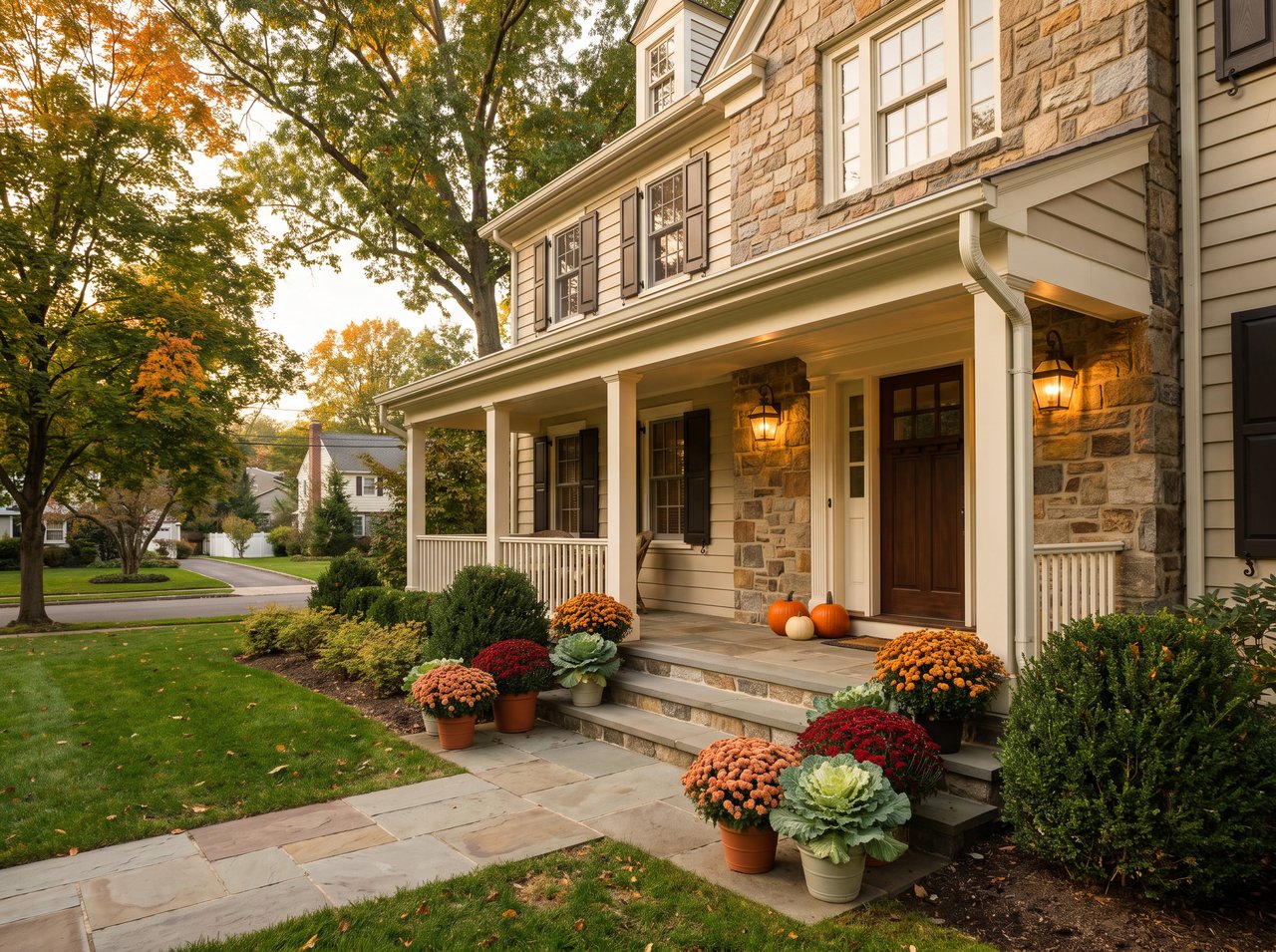
A practical seller's guide for homeowners in Essex, Morris, and Union Counties planning to list between September and November
We are passionate about researching market stats, negotiating contracts, and helping our clients find and sell homes. The majority of our business comes from past clients and referrals from people who know our work.