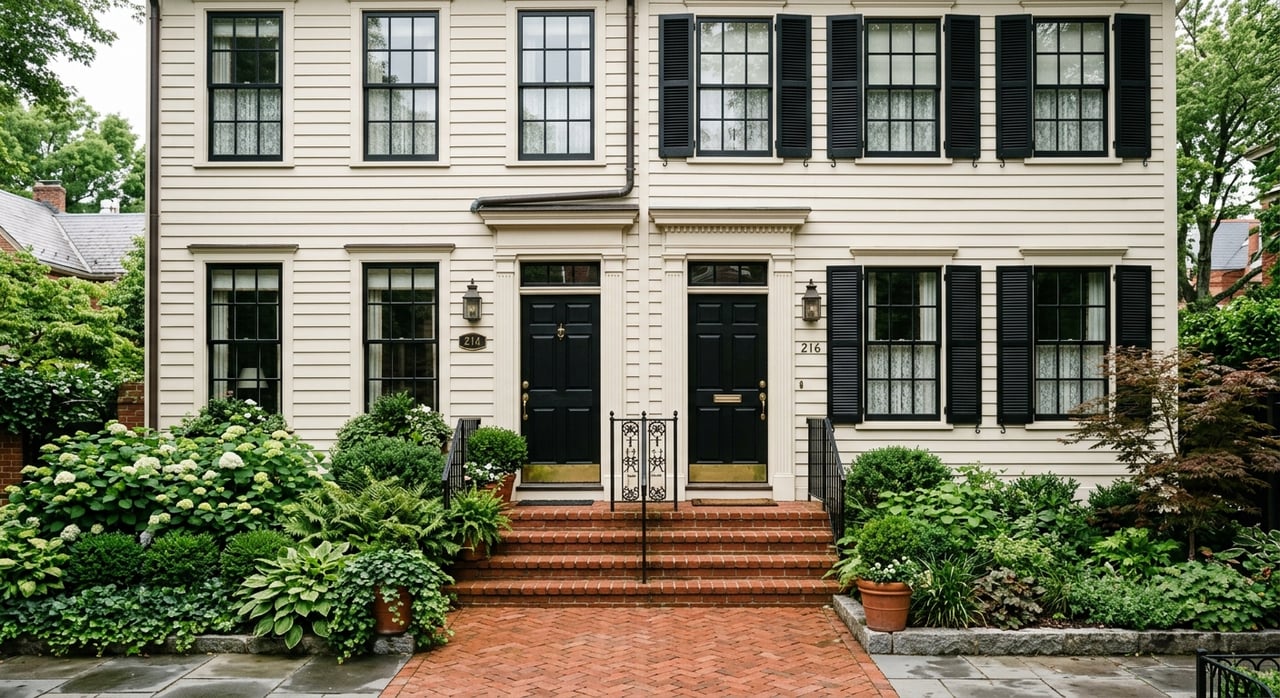
Maplewood NJ Condos and Townhomes: Costs, Layouts, Location
May 14, 2026
May 14, 2026
Curious whether a condo or townhome in Maplewood could give you the lifestyle you want without the upkeep of a detached house? If you are trying to balance budget, convenience, and day-to-day ease, Maplewood’s attached-home market can offer a practical path. The key is knowing where these homes are, what monthly costs really look like, and how each building differs. Let’s dive in.
Maplewood does not have condo and townhome inventory evenly spread across town. According to the township’s planning materials, attached dwellings and townhomes are allowed only in limited settings, which is why most options are clustered in a few recognizable pockets.
In practice, buyers tend to see the most inventory around Maplewood Village, Elmwood and Meadowbrook near downtown and the pool, Valley Street and Maplewood Plaza, Burnett Avenue, and a smaller townhouse-style pocket on 44th Street. That concentrated layout matters because location often shapes your commute, parking options, and the overall feel of daily living.
This area is one of the better-known condo pockets in town. Recent examples include smaller one-bedroom units around 812 square feet and other compact layouts that appeal to buyers looking for lower-maintenance living close to downtown conveniences.
Some listings in this area have featured amenities like in-unit washer and dryer, garage parking, attic storage, and shared green space. If you want a home base near Maplewood Village, this is often one of the first places to look.
Valley Street offers a different condo experience, including one-floor living in a building with elevator access. A recent Maplewood Plaza example included amenities such as an exercise room, outdoor pool, parking, and same-floor laundry.
That setup can be especially appealing if you want simpler day-to-day living and fewer stairs. It is also a reminder that amenities can vary a lot from one building to another, even within the same town.
Burnett Avenue gives buyers another attached-home option, including two-bedroom condo layouts around 960 square feet in the examples reviewed. For some buyers, this can be a middle ground between a smaller one-bedroom condo and a larger townhouse-style property.
As with any Maplewood condo search, the details matter. A similar size on paper does not always mean the same monthly costs, parking setup, or included services.
If you prefer more separation between living spaces, the 44th Street pocket may be worth a closer look. Recent examples included multi-level townhouse-style homes, with one noted around 1,142 square feet and offering an attached garage and three-level living.
This style often feels closer to a traditional home layout than a one-floor condo. That can be a plus if you want more room to spread out, but it may also mean more stairs and a different maintenance profile.
Most attached homes in Maplewood run smaller than the town’s typical detached houses. In the examples reviewed, layouts ranged from a 460-square-foot studio to one-bedroom homes around 812 square feet, two-bedroom condos around 944 to 960 square feet, and townhouse-style homes around 1,142 square feet.
That range is useful because it gives buyers several entry points into Maplewood. You may find a compact first purchase, a low-maintenance downsizing option, or a townhouse that offers a bit more breathing room.
One-floor and first-floor layouts are common in Maplewood’s condo stock. These homes can be especially appealing if you want easier access, less interior stair use, and a simpler daily routine.
For downsizers, one-floor living can reduce the work that comes with a larger detached home. For first-time buyers, it can also create a more approachable way to get into town.
Townhouse-style units tend to be more likely to offer multi-level living. In some cases, they may also include attached garages, which can add convenience and storage.
If you are comparing condos and townhomes, think about how you actually live day to day. A multi-level home may offer more separation of space, while a one-floor layout may feel easier and more efficient.
One of the biggest mistakes buyers make is assuming all HOA communities work the same way. In Maplewood, building amenities and HOA coverage can differ sharply from one property to the next.
Some Maplewood Village listings have included in-unit laundry, garage parking, attic storage, and shared outdoor space. Maplewood Plaza has offered a different package, including an outdoor pool, exercise room, parking, and same-floor laundry.
In the attached homes reviewed, HOA coverage sometimes included common-area maintenance, exterior maintenance, sewer, snow removal, trash, and water. But that list is not universal, and each building can handle expenses differently.
That is why comparing just the monthly fee is not enough. A higher fee may cover more recurring costs, while a lower fee may still leave you paying additional bills separately.
When you tour a Maplewood condo or townhome, try to get clear answers to a few practical questions:
These details shape your real monthly cost and your everyday experience much more than the list price alone.
A condo or townhome may lower maintenance demands, but it does not always mean lower carrying costs across the board. In Maplewood, it is smart to budget beyond your mortgage payment and look closely at HOA fees, taxes, sewer charges, and any location-specific transportation costs.
Recent examples showed HOA or maintenance fees roughly ranging from $220 to $500 per month. Some buildings also had upfront association-related charges at closing, such as a $750 capital contribution plus two months of HOA dues in one reviewed example.
Sample property taxes for reviewed units ranged from about $3,556 to $6,639 per year. On a simple monthly basis, that works out to roughly $296 to $553 per month.
Maplewood bills property taxes quarterly, and the township states that taxes are calculated using assessed value multiplied by the tax rate. Sewer is billed separately once a year and is due in late June, with the township listing the 2024 sewer charge at $301 per unit.
The township also established a separate Stormwater Utility in 2024. That means you should not assume every local charge is wrapped into your HOA dues or mortgage escrow.
Another detail buyers sometimes miss is trash service. Maplewood states that household waste removal is not handled by the Department of Public Works and must be arranged through a private hauler unless the building’s HOA covers it.
This is one more reason to review the budget line by line. Two homes with similar asking prices can have very different monthly carrying costs depending on what is included.
Condo and townhome living tends to work well for several types of Maplewood buyers. The common thread is usually convenience, lower exterior maintenance, and access to town amenities.
For downsizers, one-floor units and elevator buildings can offer a simpler lifestyle. For first-time buyers, smaller condos may open the door to Maplewood at a lower entry price than many detached homes.
Maplewood’s commuter setup is a major draw for many buyers considering attached housing. The township’s jitney service is designed to connect residents to Maplewood Train Station on weekday mornings and evenings.
The 2026 fee schedule lists a $165 jitney pass, a $400 commuter parking fee, and a $415 combo parking and jitney fee. Maplewood Station also offers parking, Wi-Fi, and bike racks or lockers, which can be useful if your routine includes train travel.
Attached homes near Elmwood, Meadowbrook, and Valley often stand out for their convenience to Maplewood Village, the community pool, and the station area. If commute ease matters to you, this can be a meaningful advantage.
For buyers who want Maplewood without the upkeep of a detached house, condos and townhomes can be a strong right-sizing option. You may be able to keep access to the community, transit convenience, and a more manageable home footprint.
The tradeoff is that monthly costs are less standardized than many buyers expect. In this segment of the market, smart comparisons matter just as much as finding a floor plan you like.
When inventory is limited and concentrated in a few pockets, it helps to compare homes with a wider lens. Price is important, but it is only one piece of the decision.
Try to evaluate each option based on the full picture:
A smaller condo with strong HOA coverage may feel more affordable month to month than a unit with a lower fee but more out-of-pocket expenses. Looking at the whole carrying-cost picture can help you avoid surprises.
Maplewood’s condo and townhome market is not huge, but it fills an important role in town. If you want lower-maintenance living, a more approachable price point, or a commuter-friendly setup, the right attached home can be a very practical fit.
If you want help comparing Maplewood condos, townhomes, and carrying costs across different buildings, the team at Allison Ziefert Real Estate Group can help you make sense of the options and find the right fit for your lifestyle.
Blog
For Northern New Jersey homeowners who want to understand what drives competitive offers, how listing prices influence buyer behavior, and what really determines a suc… Read more
Blog
For homeowners in Maplewood, South Orange, and Northern New Jersey who want to understand their property's value before selling, refinancing, or planning their next mo… Read more
Blog
A step-by-step guide for buyers navigating the post-contract period in Essex, Morris, and Union Counties

Blog
A straight-numbers look for buyers considering a purchase in Maplewood, Montclair, Summit, and surrounding towns — and what the math actually says about timing
Home Selling
A practical guide for buyers and sellers in Maplewood, South Orange, Montclair, Summit, Westfield, Chatham, and nearby Northern New Jersey towns.
We are passionate about researching market stats, negotiating contracts, and helping our clients find and sell homes. The majority of our business comes from past clients and referrals from people who know our work.